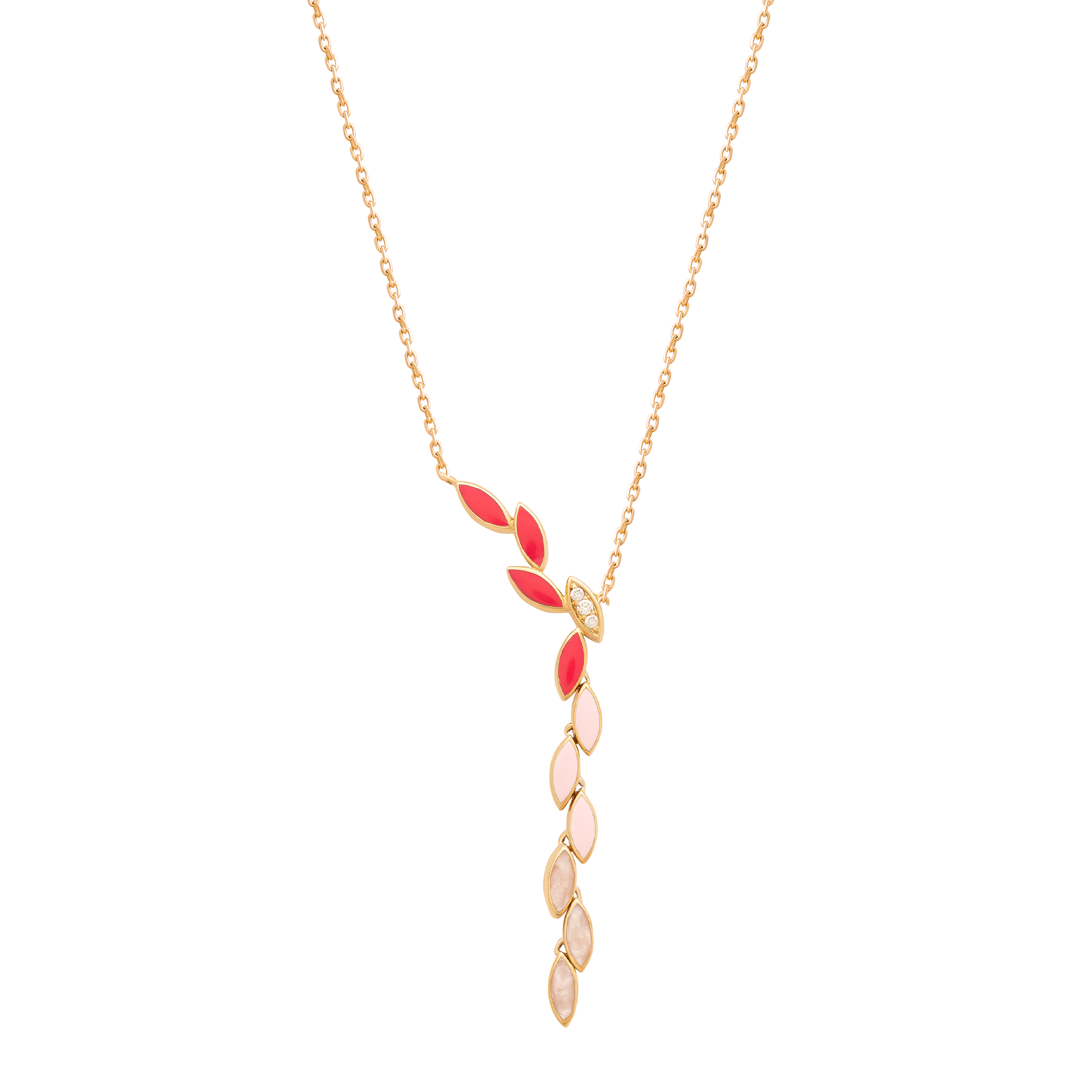
A necklace may seem perfect in the box, then look quite different once it is worn. The skin behind it, the neckline beneath it, and even the position where it rests can change the overall effect. Earrings can have the same problem.
Taste comes first when choosing gold and diamond jewellery. Undertone and face shape are simply two more things to look at when several metals, lengths, or earring designs are competing for attention.
There is no fixed beauty formula for choosing a jewellery set. These details give you somewhere to begin, especially when several designs look equally appealing.

Take a Quick Look at Your Undertone
Skin tone is the visible colour and depth of the complexion. Undertone is the quieter colour underneath. Warm, cool, and neutral are the three descriptions most often used.
People sometimes begin by checking the veins at the wrist in daylight. If they appear green, the undertone may be warm. Blue or purple-looking veins are more commonly linked with cool colouring. If neither description seems right, neutral may be the closest match.
This test is not exact. Veins are difficult to see on some complexions, and artificial light can alter their colour.
It may be easier to hold yellow, white, and rose gold near the face. One will perhaps blend into the skin. Another may stand out. What matters is whether you like the effect.
Once you have a rough idea of your undertone, comparing a jewellery set becomes less confusing.
Yellow Gold Is a Useful Start for Warm Skin
Warm skin often has golden, yellow, or peach colouring. Put yellow gold beside it and the two colours may feel closely related.
Begin with whatever type of jewellery you normally wear. Earrings and necklaces make it easier to judge the metal near the face. A bracelet offers a different comparison because the gold can be viewed directly beside the skin at the wrist.
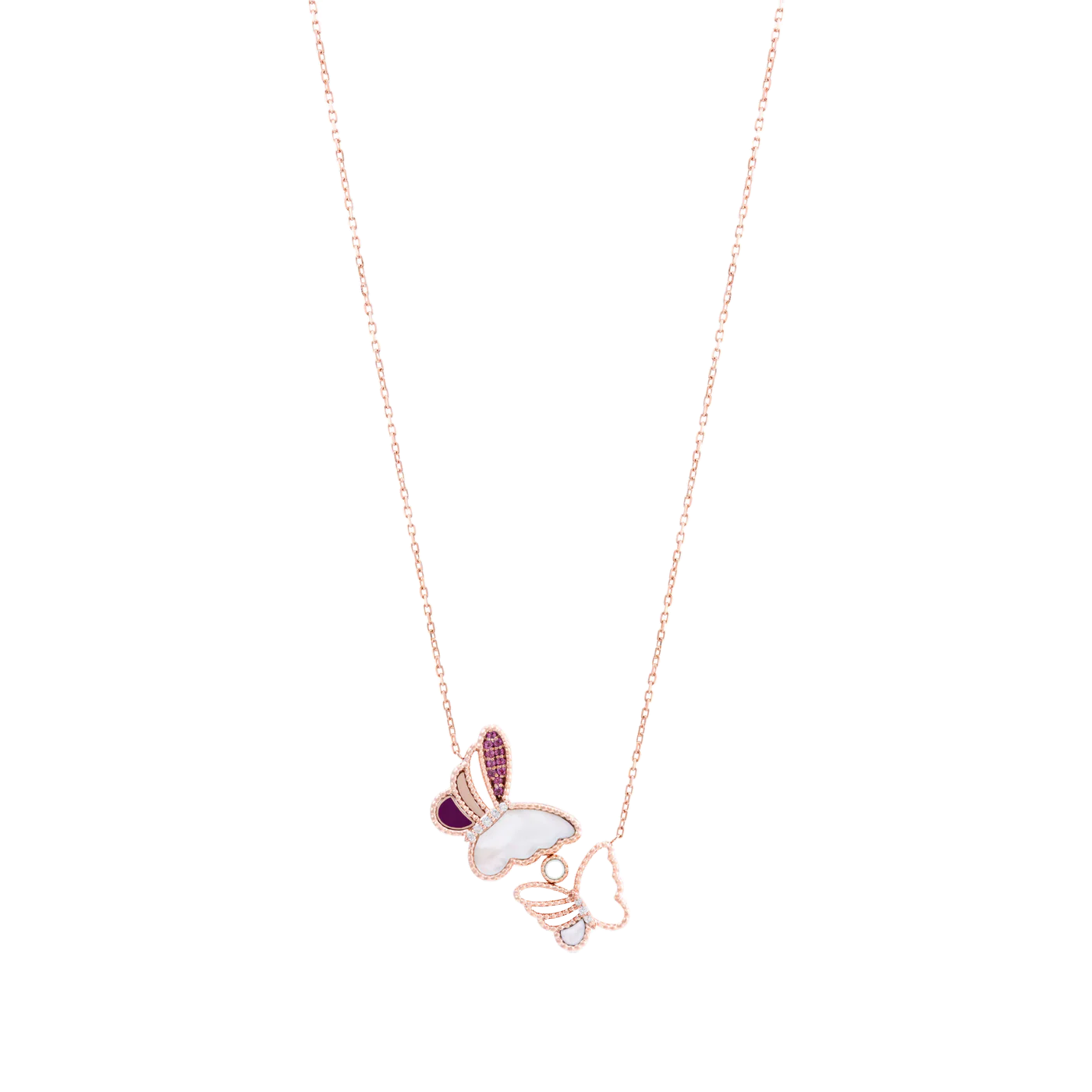
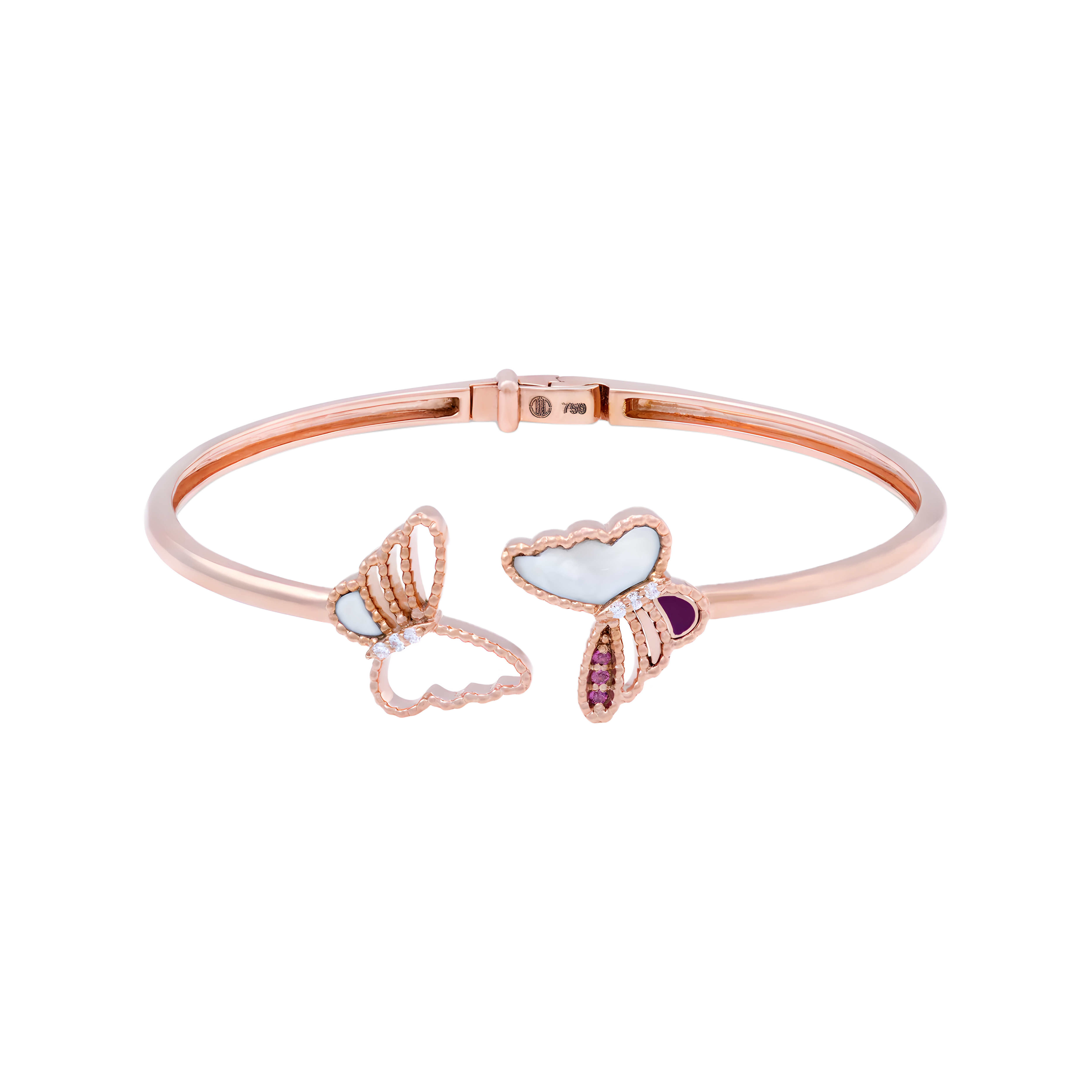
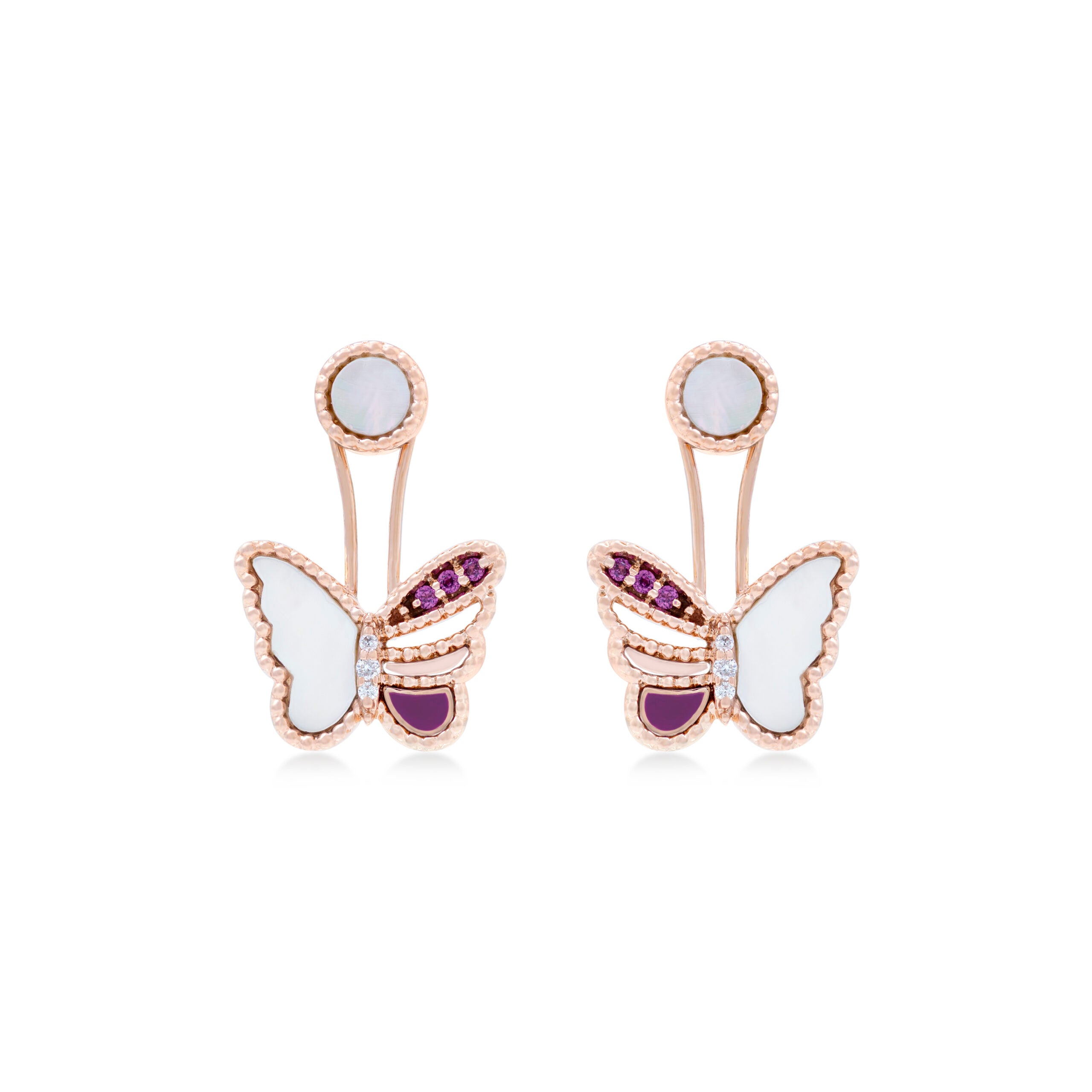
For instance, the Baby Love collection by The Jewel Teller has necklaces, bracelets, and earrings made in 18K yellow gold. Several designs also feature VS-G diamonds. The fine chains and smaller proportions make the collection useful for anyone who prefers jewellery that does not dominate an outfit.
Warm skin does not require yellow gold, though. White gold creates a clearer difference, and coloured accents may bring something unexpected to the design. Try them before ruling them out.
White Gold Beside a Cool Undertone
Cool undertones sometimes show through the skin as pink, red, or faintly blue. White gold does not bring in the same yellow colour as traditional gold, so the contrast may be softer.
The Jewel Teller uses 18K white gold in a number of Art Deco designs, including rings, diamond earrings, and necklace pendants. Emerald and kyanite also appear in designs from the collection, bringing colour into the comparison.
There is another option in the Blossom Collection, which includes verified 18K white-gold earrings set with VS-G quality diamonds.
Put white and yellow gold beside each other if you can. One may sit quietly against the skin, while the other becomes part of the statement. Written guidance matters less once you can see both options in the mirror.
Neutral Undertones Leave the Choice Open
A neutral undertone may not look clearly warm or cool. This usually means there is less reason to begin with one particular gold colour.
Baby Love Collection contains mainly yellow-gold pieces as well as an 18K rose-gold bracelet. Blossom moves between white- and rose-gold designs. Seeing those colours in finished jewellery can be more useful than comparing plain metal samples.
Clothing may settle the question. A rose-gold piece could work well one day, while white or yellow gold makes more sense with another outfit. There is no need for the entire jewellery wardrobe to use one colour.
Face Shape Is Mostly About Proportion
Undertone helps with colour. Face shape gives you another way to compare the size and direction of a design.
Some earrings lead the eye downwards. Others bring more width beside the cheeks or place the detail nearer the jaw. Necklaces affect the space beneath the face in a similar way. Even a small change in length can alter the overall impression.
The usual face-shape advice is worth testing, but it should not become a restriction.
A Round Face
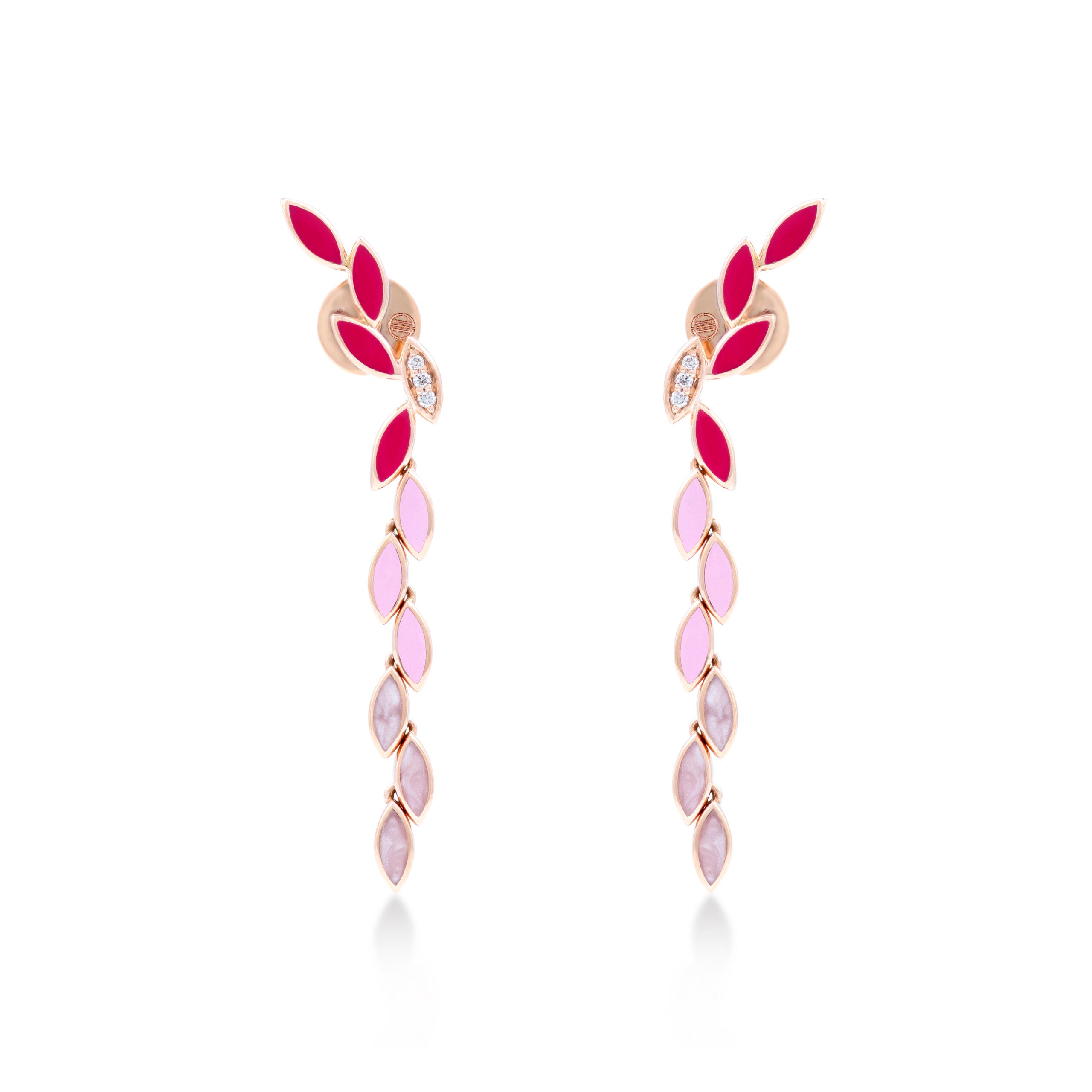
A round face usually has softer curves and no great difference between its visible width and length. Drop earrings are often suggested because they add length below the ear. An elongated design can do the same.
A pendant with some length can do something similar below the face.
That does not make hoops a wrong choice. A wide hoop will create a different effect, but you may prefer it. Compare the two rather than deciding from a diagram.
An Oval Face
Oval faces already have a fairly balanced appearance. This leaves room to move between studs, hoops, drops, short necklaces, and longer pendants without one proportion becoming an obvious starting point.
The choice can be based more on the design itself. Jewel Teller’s Art Deco Collection has a geometric character, while Baby Love uses finer chains and more delicate shapes. Trying one from each direction will show how much structure you want near the face.
A Square Face
A defined jaw and a similar width across the forehead and jaw are often associated with a square face.
Rounded earrings can contrast with those angles. Hoops, curved drops, and designs with a softer outline are common options, though they do not need to be oversized.
The Branch Affinity Collection includes verified hoop earrings made in 18K rose gold and set with VS-G diamonds. They offer one example of a curved shape without removing the detail from the design.
A Heart-Shaped Face
With a heart-shaped face, the upper part generally appears wider, while the face becomes finer as it approaches the chin.
Try earrings that carry some of their shape below the earlobe. A drop or teardrop may work, but its widest point matters more than the label used to describe it.
Necklace length changes the balance too. A piece that rests near the collarbone can bring the eye towards the centre of the neckline.
A Long or Rectangular Face
With a longer face, very long earrings add another vertical line. That may be the look you want, but it is useful to compare them with something shorter.
Studs, hoops, and wider earrings bring attention across rather than down. A shorter necklace can have a similar effect.
Try both proportions. The difference is usually easier to see in a mirror than to imagine from written advice.
Look at Colour and Shape Together
Undertone and face shape do not need to be handled as two separate tests.
Someone with warm colouring and a round face might first try yellow gold, then compare a small hoop with a longer earring. A person with a cool undertone and an oval face could begin with white gold but choose almost any earring length based on style.
The Jewel Teller’s catalogue offers several directions for this type of comparison. Baby Love, Art Deco, Blossom, and Branch Affinity cover different metals and proportions. Arcobaleno designs adds coloured stones in designs using 18K rose and white gold.
One Bamboo design pairs an 18K yellow-gold ring with diamonds and turquoise enamel. Here, the blue-green enamel changes the overall impression of the ring instead of leaving the gold to make the decision alone.
These are starting points. Nothing more rigid than that.
Think About Where the Jewellery Will Be Worn
A flattering piece is not always a useful purchase. It also has to fit into your life.
For ordinary days, a delicate jewellery set may be easier to wear with work clothes or simple outfits. An evening event leaves more room for stronger shapes, geometric details, or visible gemstones.
Take a quick look at the clothes you already own. Cream, beige, and other warm neutrals may lead you towards one metal combination. Black, grey, or blue clothing can make the same jewellery appear quite different.
Then consider repetition. Think of three or four outfits you could wear with the set. If only one comes to mind, the jewellery may spend more time stored away than expected.
Conclusion
A jewellery set is easier to assess when colour and proportion are considered separately at first. Undertone can point you towards a metal or gemstone colour to try. Face shape helps you compare earring width, drop length, and the position of a necklace.
After that, look at the whole piece again. Does it work with your clothes? Is the scale comfortable? Would you choose it on an ordinary day, not only while testing it?
Baby Love offers a delicate direction, while Art Deco introduces stronger geometry. Blossom, Branch Affinity, Arcobaleno, and Bamboo add other combinations of metals, diamonds, coloured stones, and enamel. Across these collections, your jewellery designer in Dubai provides enough variation to compare rather than forcing every choice into one rule.
The most useful set is the one that suits your features without feeling borrowed from someone else’s style.
FAQs
1. Does every piece in a jewellery set have to match my undertone?
No. Undertone can suggest a place to begin, but it does not decide what you are allowed to wear. If white or rose gold appeals to you more than the colour usually recommended for your skin, try it. Your own preference matters more than the category.
2. What should someone with a round face try first?
Longer earrings and pendants are often suggested because they introduce a vertical line. Try them beside hoops, studs, or a shorter necklace. The comparison will show whether you prefer added length or a shape that follows the softer lines of the face.
3. Is it fine to wear different gold colours together?
Yes. Combining metals can make the overall look feel more relaxed, and it gives existing pieces more opportunities to leave the jewellery box. Repeating one metal colour in another part of the outfit can help the combination feel connected, but exact matching is not necessary.