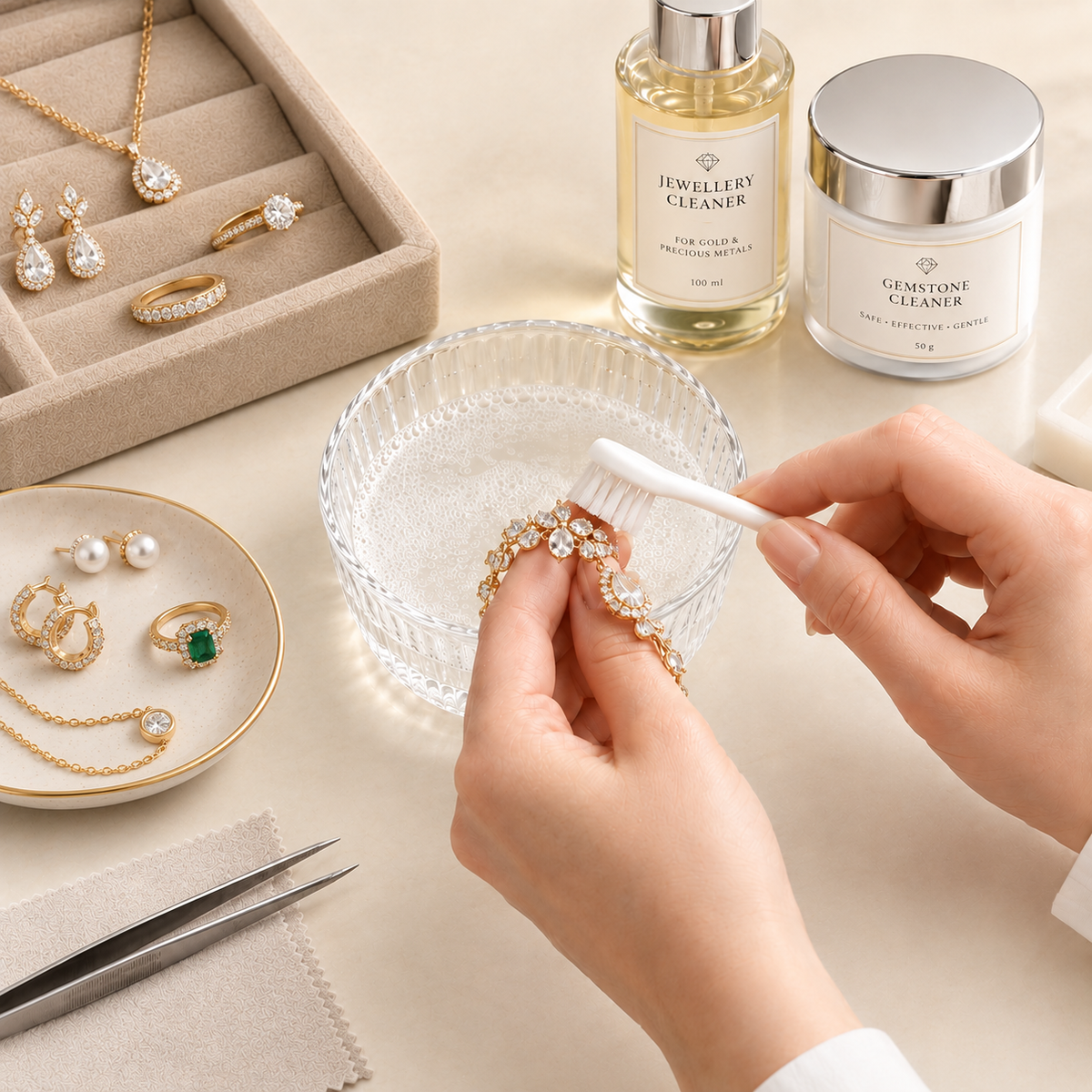
A ring worn every day will eventually start looking a little different. It happens slowly. Hand cream settles near the setting, soap leaves a film, and dust reaches corners that are easy to miss. Earrings and necklaces get dirty too, though the signs may not appear in the same places. Perfume and makeup often reach them first.
Some of this dirt comes away without much difficulty. Gentle jewellery cleaning may help with the marks sitting on the surface. The piece itself still needs to be considered. A plain band has fewer areas to worry about than a piece made with fine links, enamel, small stones, or a delicate fastening.
There is no cleaning method that fits everything. Sometimes a cloth is enough; sometimes the sensible thing is to seek professional cleaning to bring the shine back. Here is a guide from The Jewel Teller for the ultimate sparkle.

Why Does Precious Metal Jewellery Need Cleaning?
Most jewellery is exposed to more than its owner probably notices. A ring may be washed with the hands several times in one day. Sunscreen can settle around a bracelet, and earrings naturally pick up oils from the skin. Perfume, makeup, and perspiration often reach necklaces.
The residue tends to collect in less visible places first: behind a stone, between two links, around a clasp, or inside a decorative detail. Eventually, even the open areas may begin to look dull.
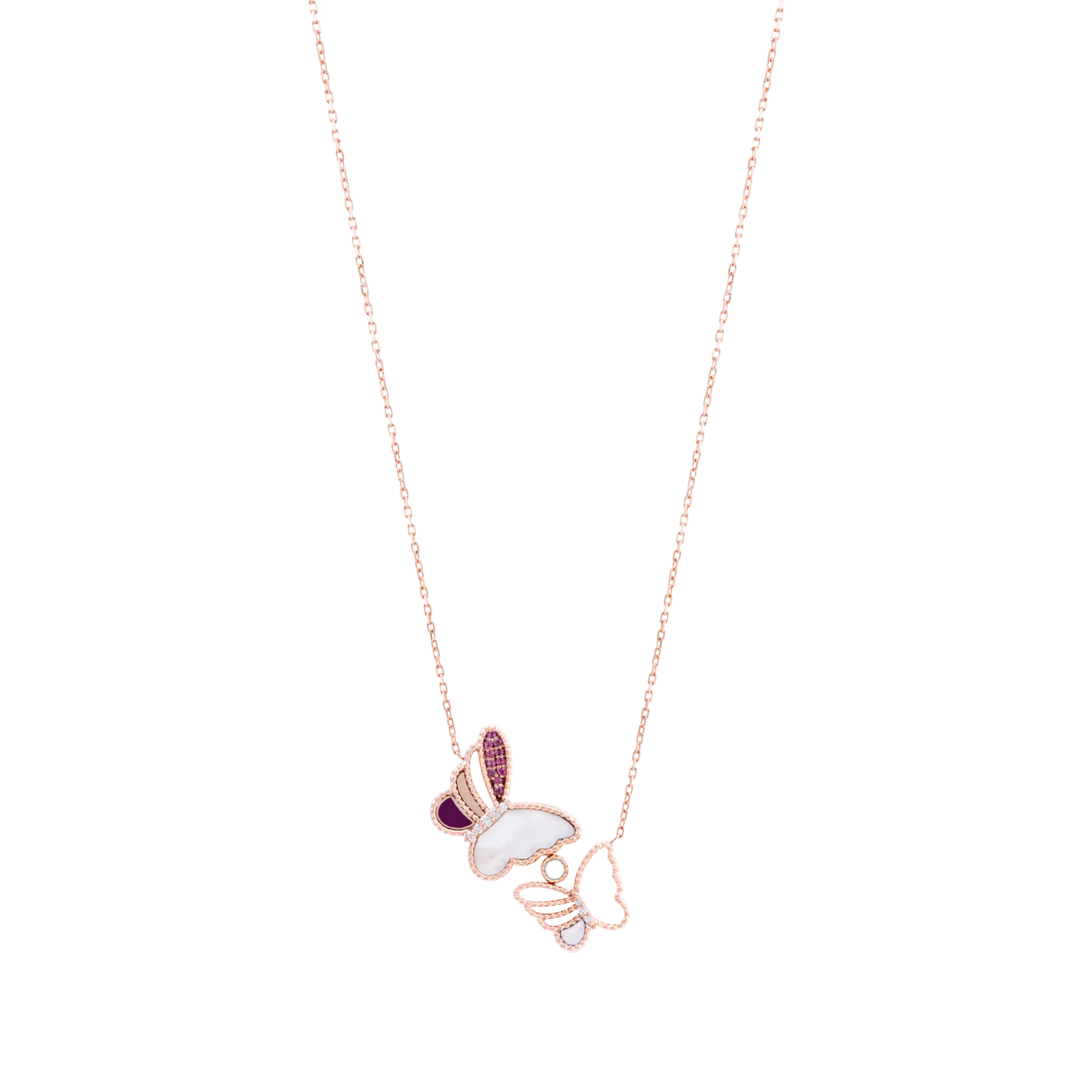
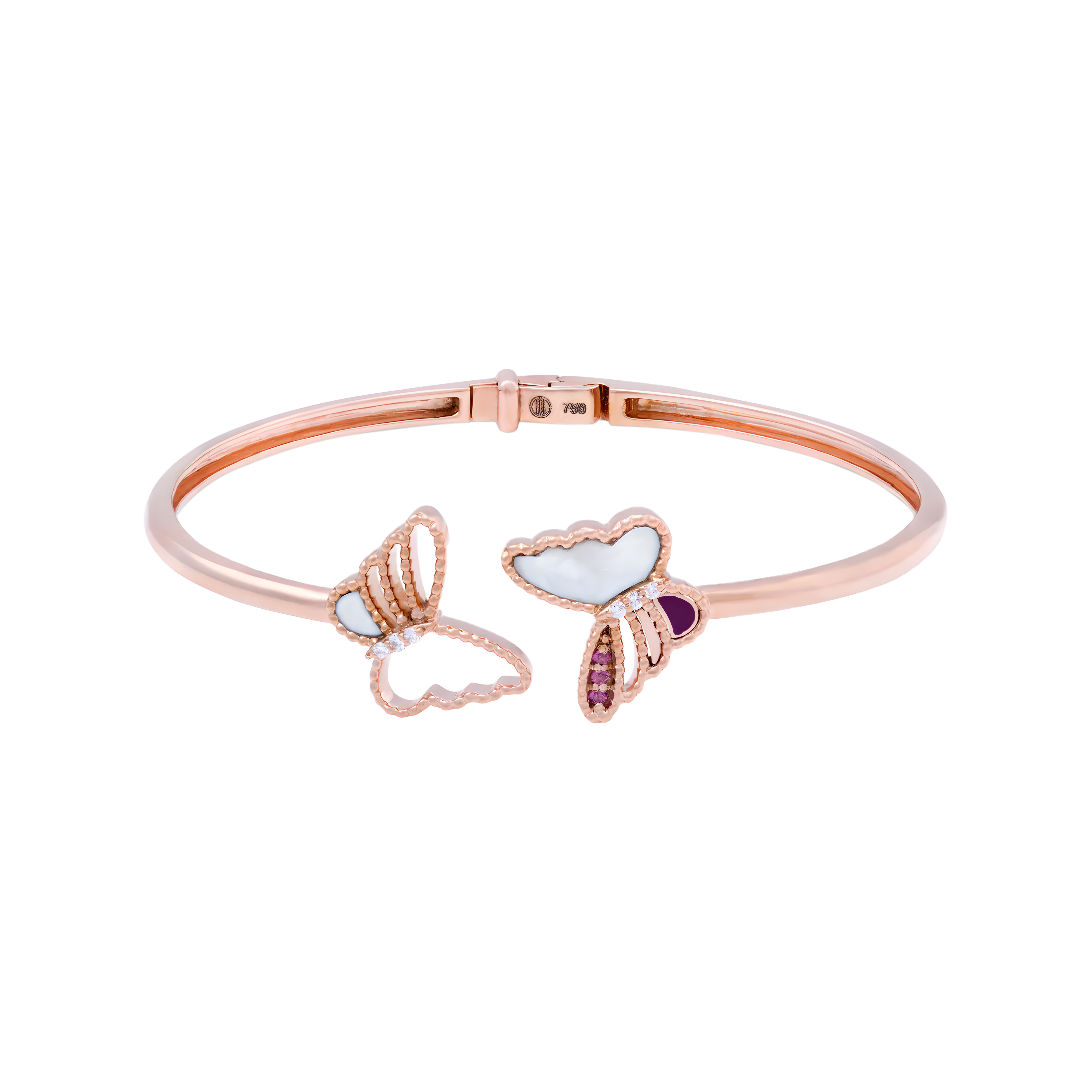
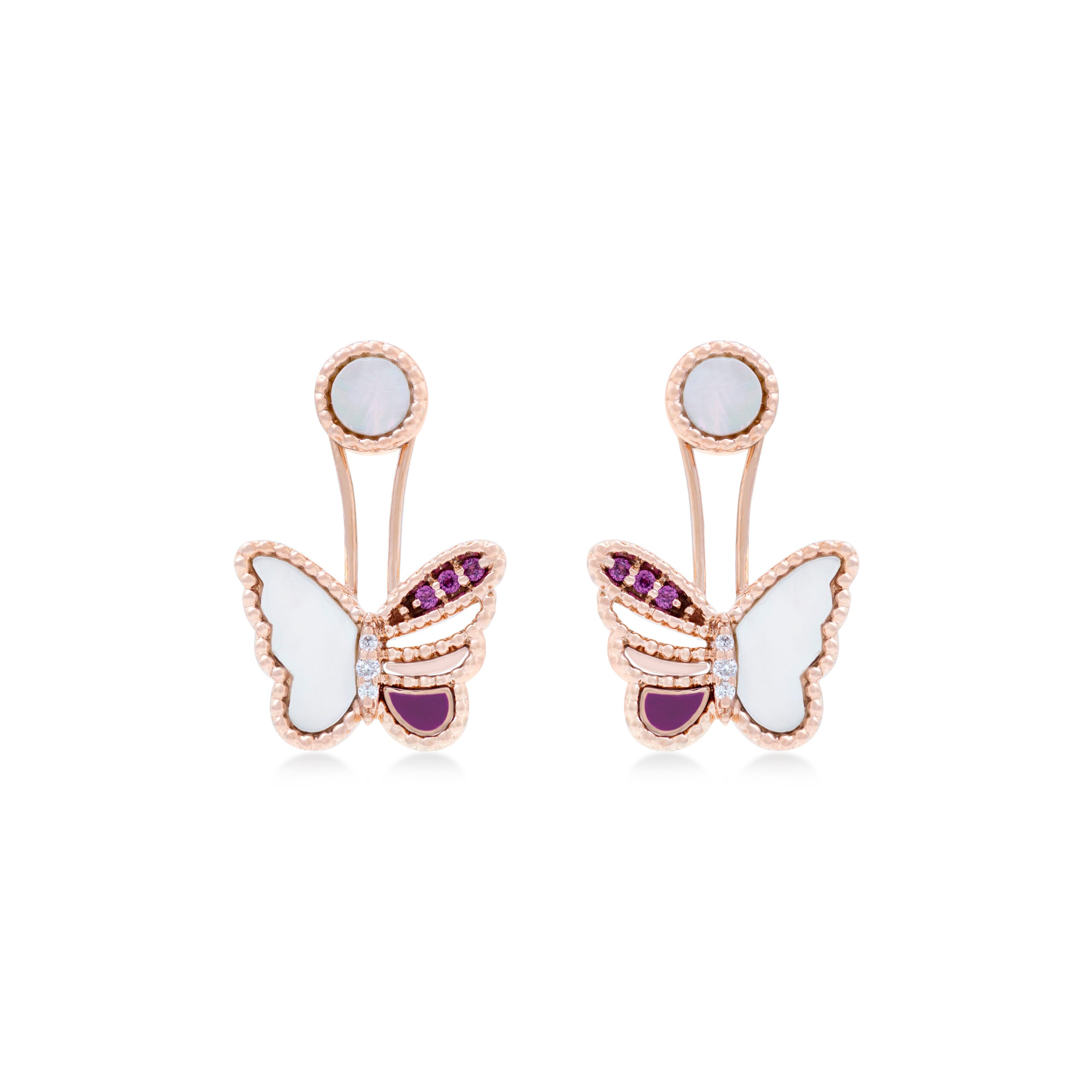
The construction of the jewellery makes a difference here. Jewel Teller’s Baby Love Collection includes fine-chain bracelets, necklaces, pendants, and earrings made in 18K gold, with diamonds appearing in several designs. A cloth can pass over the visible surface, but it may not reach the tiny spaces around a stone or between the links of a fine chain. Scrubbing harder is not necessarily the answer. It may simply place more pressure on the delicate parts.
What Can Usually Be Cleaned at Home?
A simple piece with no visible damage may only need a wipe now and then. Start with a soft, clean cloth and see whether the light marks come away.
Do not judge the piece by its metal alone. Look at the stones and how they are held. Check for enamel, moving parts, unusual finishes, or anything else that could make cleaning less straightforward.
Care advice should match the actual piece. Two rings can look similar and still react differently to the same treatment.
Strong chemicals are not a good place to start. Neither are gritty products or brushes that feel hard against the surface. Household mixtures create another uncertainty because a familiar ingredient is not automatically safe for jewellery.
Not sure what the piece contains? Leave it as it is until you can check.
Changes That Are Worth Noticing
A dull appearance does not necessarily mean damage. Often, it is only a layer of dirt. A change in the way the jewellery moves, closes, or sits is more important to notice.
Handle the piece gently and pay attention. Does a stone seem to move? Is the clasp behaving differently? Has part of the jewellery bent, or does some dirt remain firmly trapped after light cleaning? At that stage, trying a stronger product is unlikely to solve the real issue.
Professional jewellery cleaning also gives someone a chance to look beyond the visible surface. Settings, links, hinges, and fastenings contain small areas that are difficult to inspect properly at home. Cleaning and examination can therefore be handled at the same time.
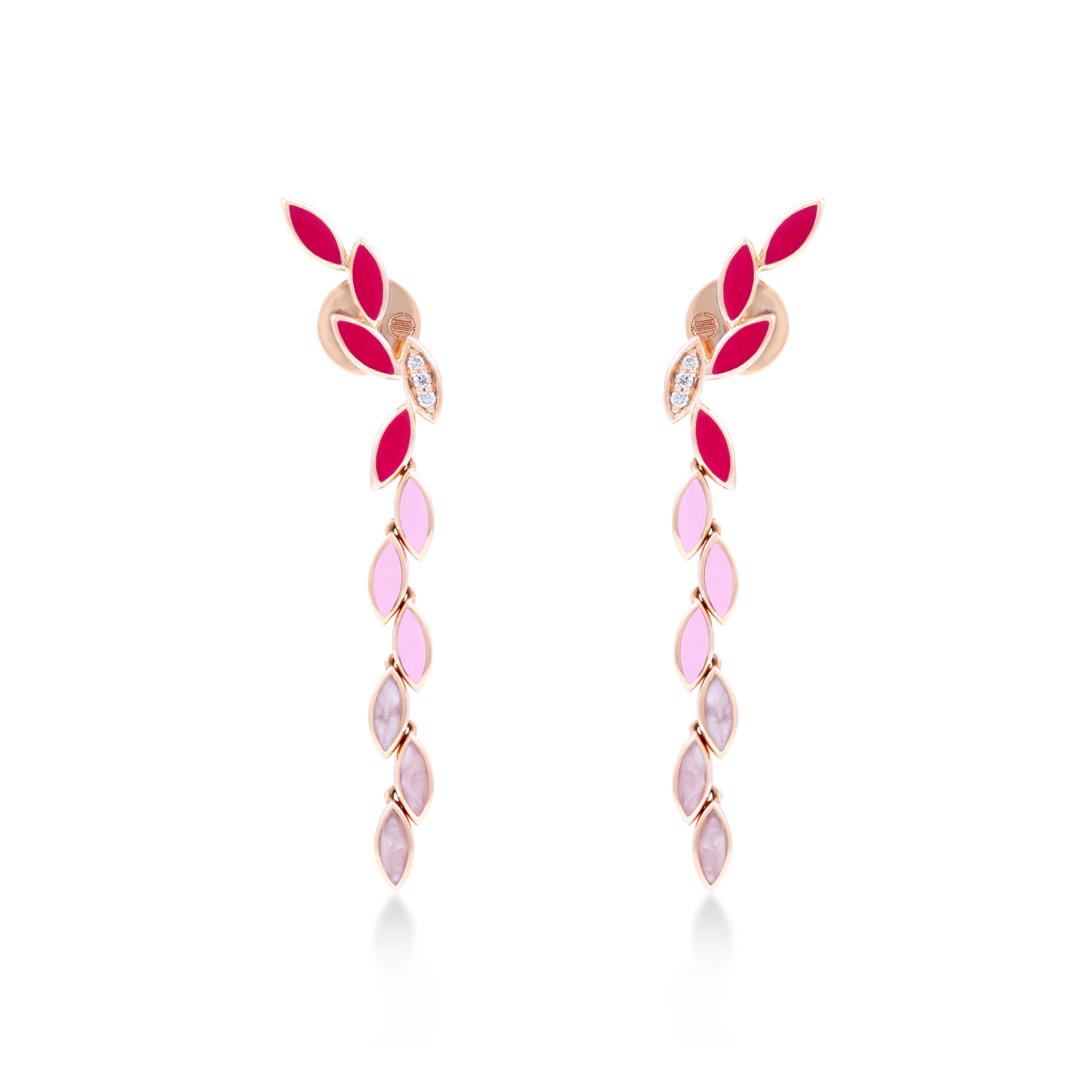
Detailed designs make this especially relevant. Jewel Teller’s Art Deco Collection includes diamond-set pieces made in 18K white and yellow gold. Diamond earrings in the Blossom Collection are made in 18K white or rose gold. With several stones or fine settings involved, cleaning is not only a matter of bringing back the shine. The structure of the jewellery needs attention too.
Different Designs Require Different Levels of Care
A plain section of metal is usually easier to wipe than a chain made up of many small links. Cream and oil settle between those links. On a stone-set ring, the buildup may instead sit around or underneath the setting. Clasps and hinged bracelets have narrow moving sections that are easy to overlook.
Jewel Teller does not use the same construction throughout its range. Baby Love, Art Deco, and Blossom differ from Branch Affinity, Arcobaleno, and Bamboo. Gold may be the main material in one design. Another may add diamonds, coloured stones, enamel, or a less familiar shape.
Pieces stored beside each other may therefore need quite different care.
An unfamiliar design is worth pausing over. The more detailed the construction, the more useful professional guidance may be.
Take a Closer Look at Stones and Enamel
The visible gold may be only one element of a piece. Turn the jewellery over or look closely at its details and there may be a stone, a painted enamel section, or several materials joined together.
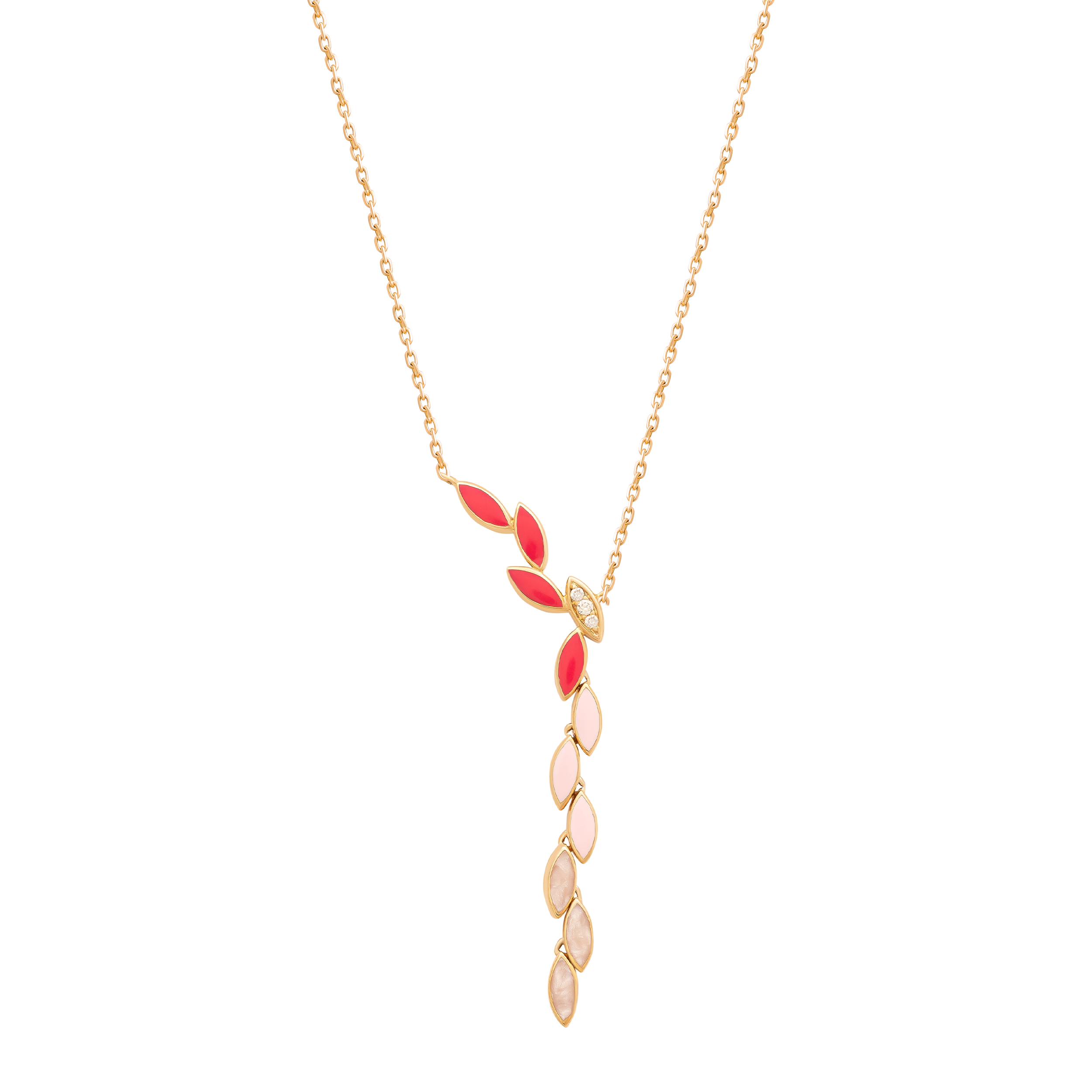
The Arcobaleno Collection includes 18K gold pieces set with amethyst and black tourmaline. Elsewhere in Jewel Teller’s range, Bamboo designs combine 18K yellow gold with diamonds and turquoise enamel. Cleaning decisions for these pieces cannot be based on the gold alone.
A product that is acceptable for an unadorned metal surface may not suit a gemstone or enamel detail. The same concern applies when the identity of a stone is unknown. Trying an unverified mixture on the jewellery may alter the finish, and the result might not be reversible.
There Is No Set Date for Professional Cleaning
Some pieces need attention sooner than others.
An everyday ring usually meets more soap, water, and hand cream than a pendant reserved for occasional wear. Construction matters as well. An intricate design may hold residue in areas that remain fairly clean on a plain piece.
Rather than choosing an arbitrary date, keep an eye on the jewellery. Has its appearance remained dull after gentle care? Is there visible buildup around the settings? Does a stone move? Has a clasp become unreliable? Any of these changes would justify an assessment.
Good storage can reduce some of the buildup and wear between cleanings. Keep pieces separate where possible, particularly if they could scratch or tangle. Jewellery can also be removed before work that involves cleaning chemicals, knocks, or substances likely to leave a heavy residue.
Small habits like these will not keep jewellery permanently clean. They simply slow down some of the buildup and make regular care less difficult.
Why a Professional Clean May Be the Better Choice
Some jewellery is simply awkward to clean at home. Dirt may sit beneath a stone or inside a clasp, and reaching it with a brush can mean putting pressure on a delicate part of the piece.
There is also the question of wear. A stone that has started moving or a fastening that no longer feels right needs more than polishing. A brighter surface would not fix a loose setting hiding underneath.
People understandably hesitate before experimenting on jewellery that matters to them. The piece may be connected with an occasion, a person, or years of regular wear. Trying one stronger cleaner after another is not much of a solution in that case. A professional can examine the materials and construction before deciding how the jewellery should be cleaned.
Conclusion
Effective jewellery cleaning is not about finding the strongest available product. Frequent polishing is not necessary either. First look at the piece itself: how it has been made, what it contains, and whether anything appears loose or worn.
A simple piece with light surface marks may respond well to gentle home care. More caution is needed once delicate settings, stubborn residue, unknown materials, or signs of wear enter the picture.
Jewel Teller’s collections illustrate just how different fine jewellery designs can be. Baby Love includes fine chains and diamond details; Art Deco and Blossom feature diamond-set designs; Arcobaleno and Bamboo introduce coloured stones and enamel; while Branch Affinity bring its own structural character aligned with wilderness. Those differences should guide the care given to each design.
Regular care willnever turn to aggressive cleaning if you seek the trusted jewellery repair and cleaning services in Dubai. Some pieces need only a soft cloth. Others are better checked before they are cleaned. This gives jewellery a better chance of keeping both its appearance and its delicate details intact.
FAQs
1. Does all gold jewellery need the same cleaning method?
No. Gold may be the part you notice first, but the rest of the design still matters. A stone, an enamel detail, a surface finish, or the way a setting is made may change how the jewellery should be handled. Check those details before deciding how to clean it.
2. At what point should I stop cleaning jewellery at home?
Stop when a stone moves, a setting looks damaged, a section appears bent, or a clasp no longer works properly. The same applies when gentle cleaning does not remove the buildup. If the materials or finish are unknown, get advice before trying another method.
3. Is professional cleaning helpful for jewellery with stones?
Yes, particularly because residue can collect around and underneath the settings. A professional can choose a method based on the materials and construction while checking the piece for visible issues that may need attention.