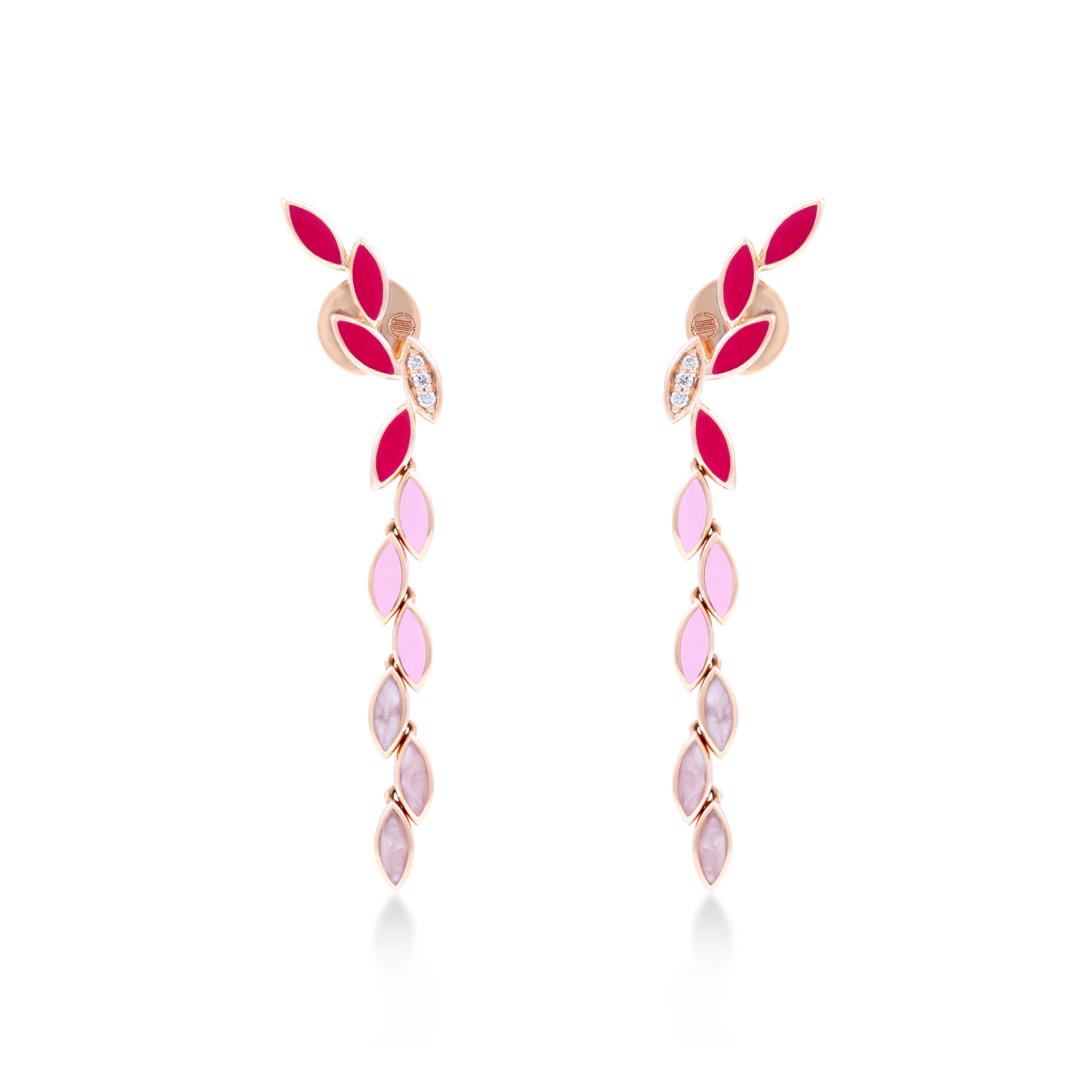
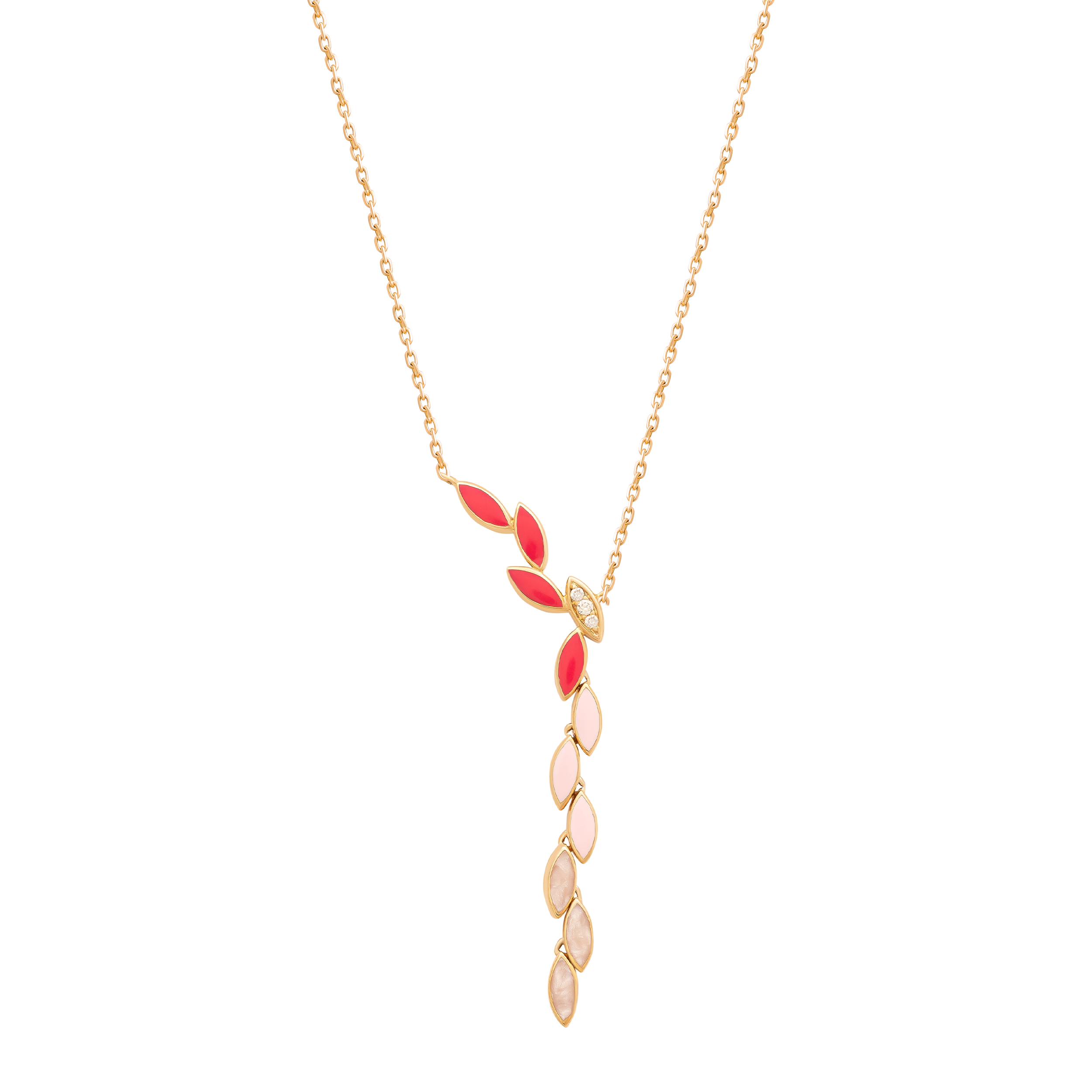
The soft radiance of pearls differentiate them from nearly all other jewellery materials. But this beauty comes with the need for careful handling. Jewellery that is cleaned one way may be cleaned another to avoid harming the pearls.
This leads us to the question: Will commercial pearl jewelry cleaners really work and are they safe?
The answer is simple: the correct product is useful, but not all jewelers are suitable for a pearl's company. You should be certain what is contained in the solution before cleaning, whether it is a cloth, machine or commercial solution, and that it is a solution that is specifically formulated for pearls jewellery.

Need for Gentle Cleaning of Pearls
They are not hard, but relatively soft pearls. The Mohs scale measures the durability of the skin of a pearl; it is rated as 2.5, which means its surface can be scratched or abraded rather easily. There are numerous chemicals and acids that will harm pearls.
This is why there are some differences between cleaning pearls and other hard stones.
This is especially important with regards to fine jewellery made of multiple materials. For instance, in The Jewel Teller's Pearl Collection, pearls are used with 18K gold and diamonds. They now include pearl bracelets, earrings and rings, some of which feature black onyx in addition to white pearls.
“A cleaning method therefore has to take into account the most delicate material in the piece, not just make the metal or diamonds sparkle.”
Are Commercial Pearl Jewelry Cleaners Safe?
When used specifically, and labeled as such, some commercial pearl jewelry cleaners may work. Don't assume that a general jewellery cleaner is pearl safe.
The ingredients and method used to clean any glass is important.
Don't use any harsh cleaning solutions, acids or abrasive solutions on pearls. GIA further advises that the following chemicals are detrimental to pearls and care should be taken to keep them out of the way of these everyday chemicals: perfume, hairspray, cosmetics.
Read directions before using any commercial cleaner, and check to be sure the directions specify that pearls will not harm the cleaner. Beware if the manufacturer does not explicitly write that it's safe for pearl use, it is advisable not to experiment on a valuable pearl product.
Do Pearl Cleaners Actually Work?
The right pearl cleaner may remove surface residue and dirt, don't expect a cleaner to be effective based on how loudly it cleans.
The goal of cleaning pearls is to remove any deposits without harming the surface's lustre. This does not require intensive mechanical cleaning or a strong chemical reaction that could be harmful.
GIA suggests after being worn, cultured pearls can be wiped with a very soft and clean cloth as normal care. Occasional, more deep cleaning can be made by warm soapy water. When using a string of pearls, the string should only be used when it has dried out completely and then before it can be used again.
That is, the best pearl cleaning is typically a subdued process.
Don’t use Ultrasonic and Steam Cleaners
The one thing that separates a pearl-safe cleaning solution from a commercial cleaning machine is crucial.
Do not put pearls in ultrasonic or steam cleaners. GIA strongly recommends against either of these options for pearl jewellery. Cleaning with ultrasonic machines has the effect of removing dirt, and organic gem materials like pearls cannot be cleaned with these.
Heat is also a problem with pearls and heat exposure occurs in steam. If the temperature is too high, discoloration, cracking or other damage may occur.
If you have a piece of jewellery with additional diamonds or gold which may be able to withstand a specific professional cleaning method, the same cannot apply to the whole piece of jewellery when pearls are included.
Pearl Jewellery at Jewel Teller
The distinctive Pearl Collection features a range of rings, bracelets and earrings; some with white pearls, 18K gold and diamonds.
Outside the dedicated Pearl Collection, pearls also come in other collections. The design with pearls is currently available in jewel Teller's collection called La Vie En Rose, which is available in 18K yellow gold.
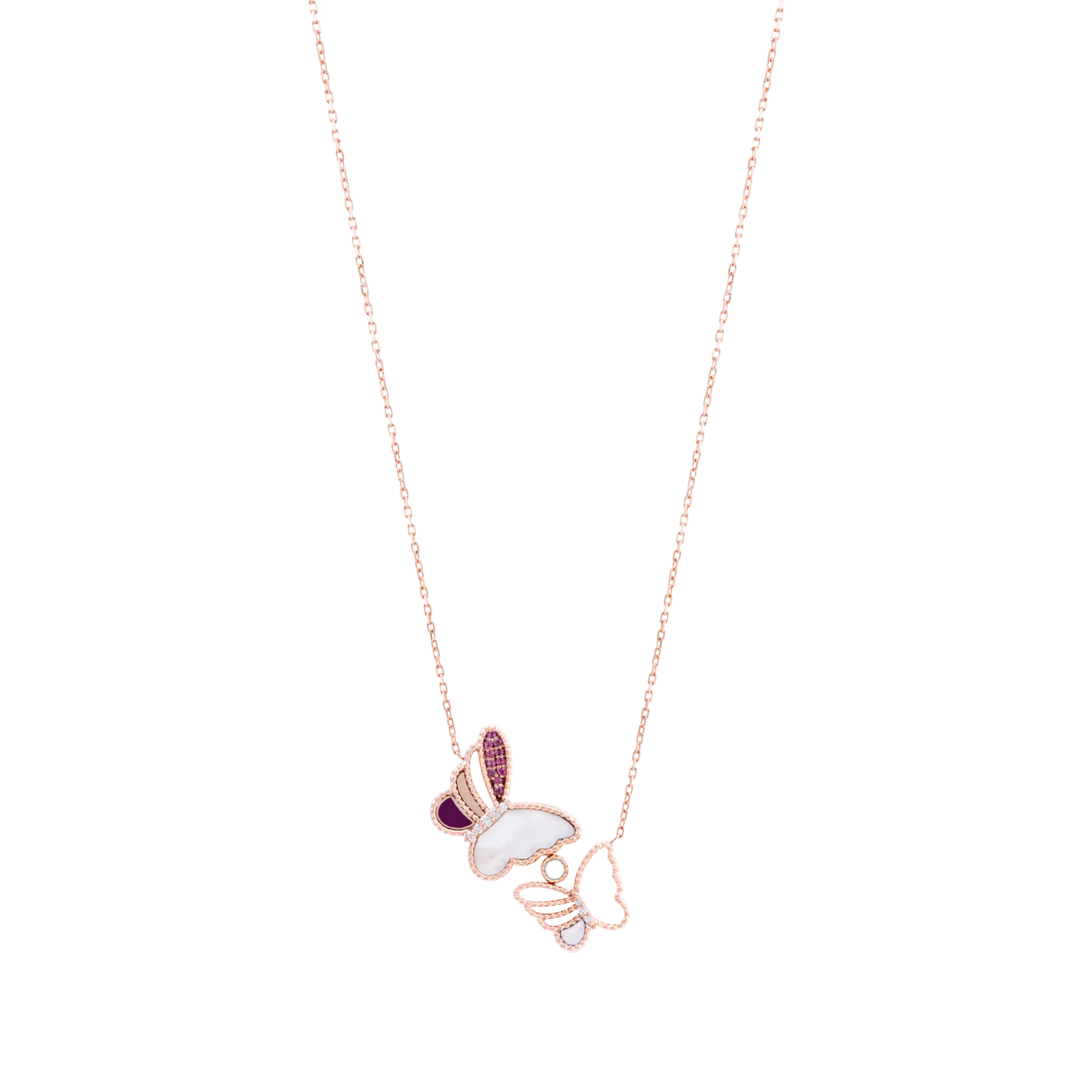
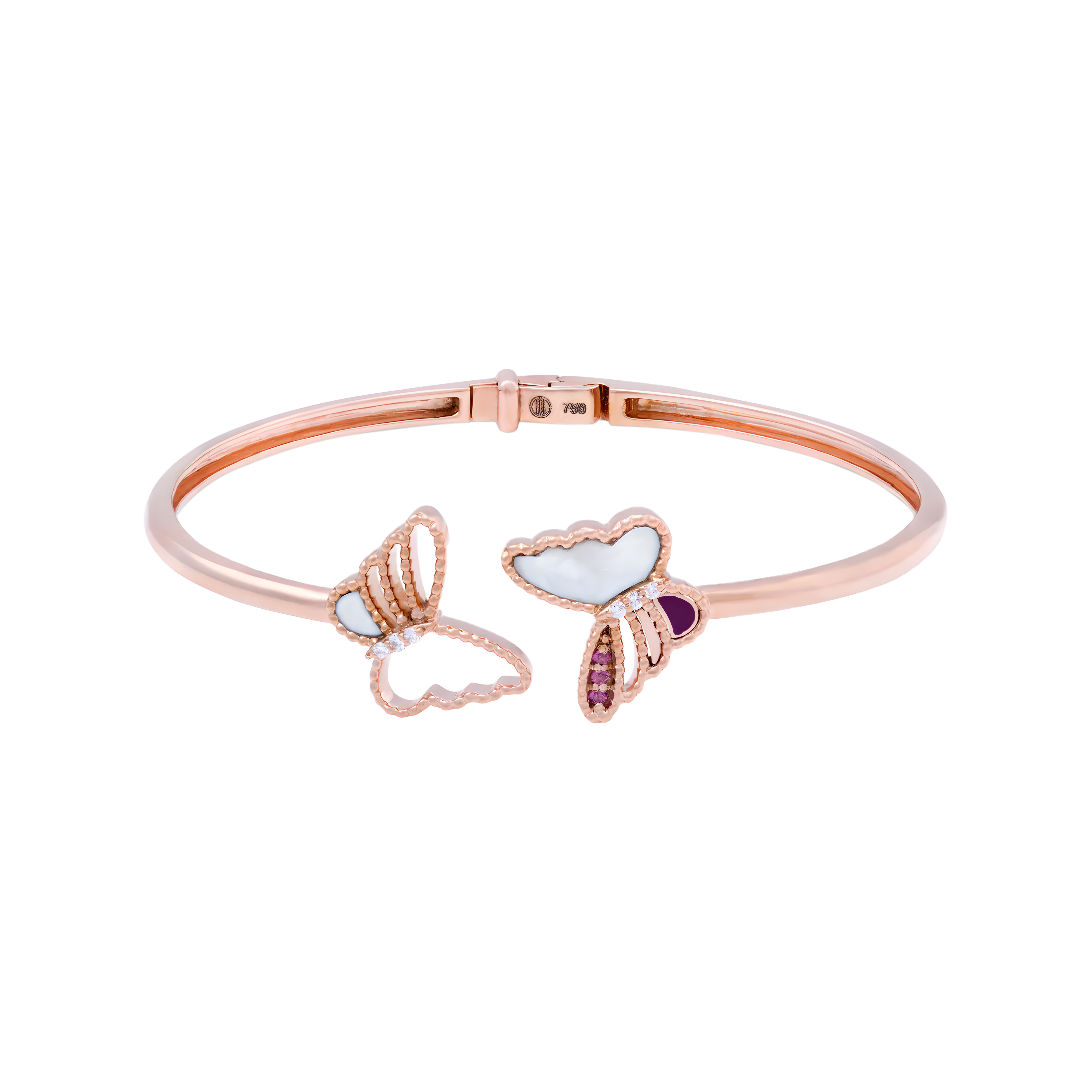
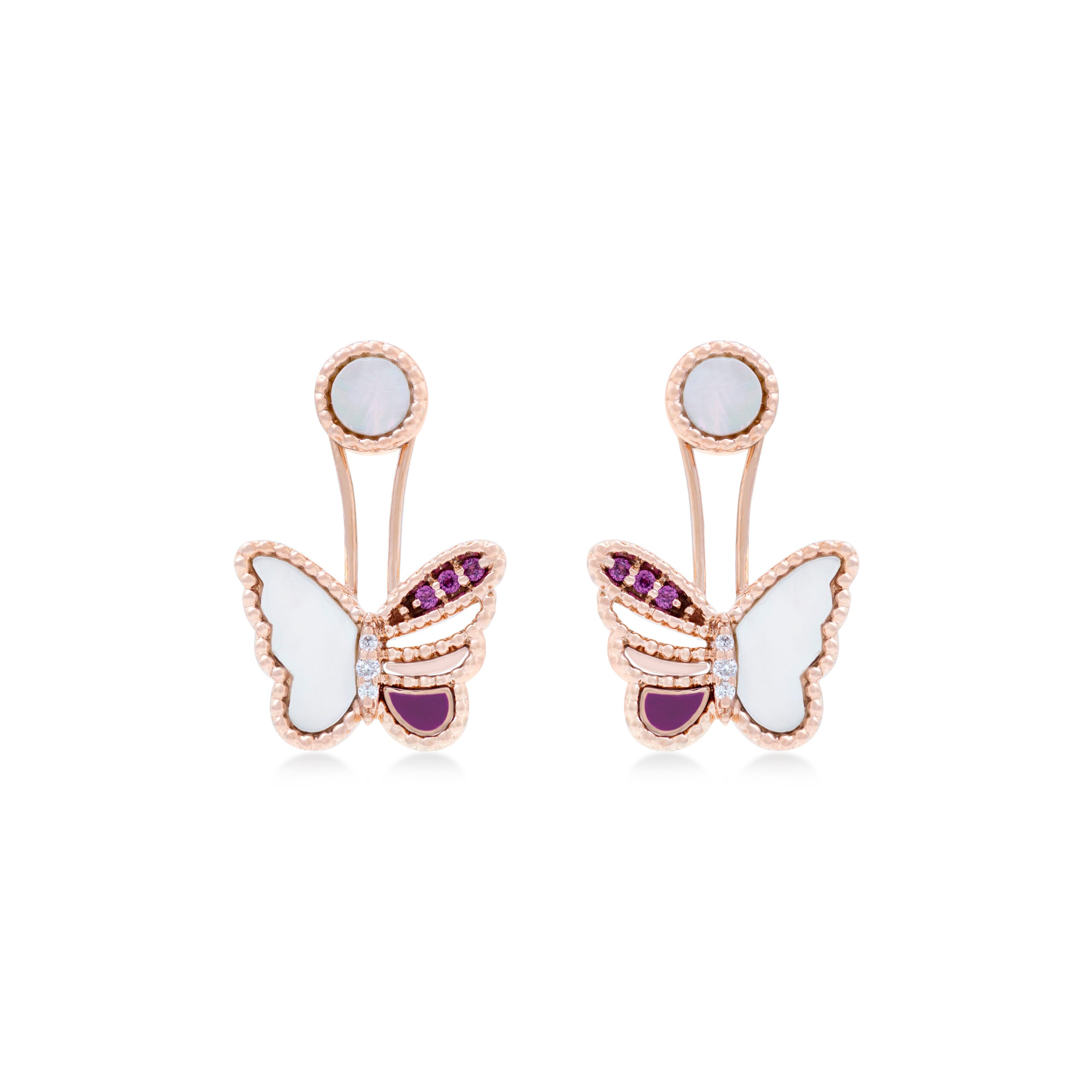
There's also pearl stuff all over the place, but it's not just the terminology; it's also the kind of pearl. For example, the Oxalis Flower Collection has a pendant with black mother-of-pearl and the Mallow Flower Collection has a bracelet with MOP or mother-of-pearl. Although mother-of-pearl and pearls may sound similar, they are different organics. Always use care instructions according to the specific materials of your piece.
A Simple Routine for Keeping Pearls Clean
Prevention is more helpful in most cases than regular deep cleaning in the case of everyday care.
Apply perfume, hairspray, lotions and cosmetics before putting pearl jewellery on. Gently wipe the pearls with a very soft and clean cloth skin wipe after wearing, to remove leftover skin residue and surrounding products.
If deeper cleaning is required, the deeper cleaning shall be gently performed using a method known to have a superior ability to clean pearls. Avoid the use of abrasive scrubbing, harsh household cleaners, ultrasonic and steam.
It is always advisable to seek pearl proficiency when it comes to a piece of jewellery if you are not sure of the safest style to wear pearls with diamonds, gold or gem stones.
Conclusion
Commercial pearl jewelry cleaning services may be effective, but not when the product and the type of cleaning isn't compatible with the pearl. Any jewellery cleaner which was effective on gold or diamonds or another material should never be regularly used on general jewellery without first asking for advice from a professional jewellery cleaner.
It is always best practice to take care of them gently. Don't use any of the following: rough cleaning, ultrasonic cleaners, steam, or any materials in the jewellery.
FAQs
1. What products can be used on pearls to clean them?
Not automatically. Cleaner suitable for metal or harder gem stones can contain ingredients not suitable for pearls. Use a commercial product only if it is clearly stated that it is safe for pearls. Better to take the gentle approach if you're not sure.
2. Can pearl jewellery be cleaned in an ultrasonic machine?
No. It is GIA's recommendation that no pearls be cleaned in an ultrasonic cleaner. It also advises using steam cleaners. The methods do not work well with the fine texture of pearls.
3. How often should I clean my pearl jewellery?
Pearls don't require vigorous scrubbing after each use. It's a good practice to gently wipe them with a very soft cloth once after wearing them. Occasional and more thorough cleanings can be performed when needed, by a different method depending on the type of pearl.