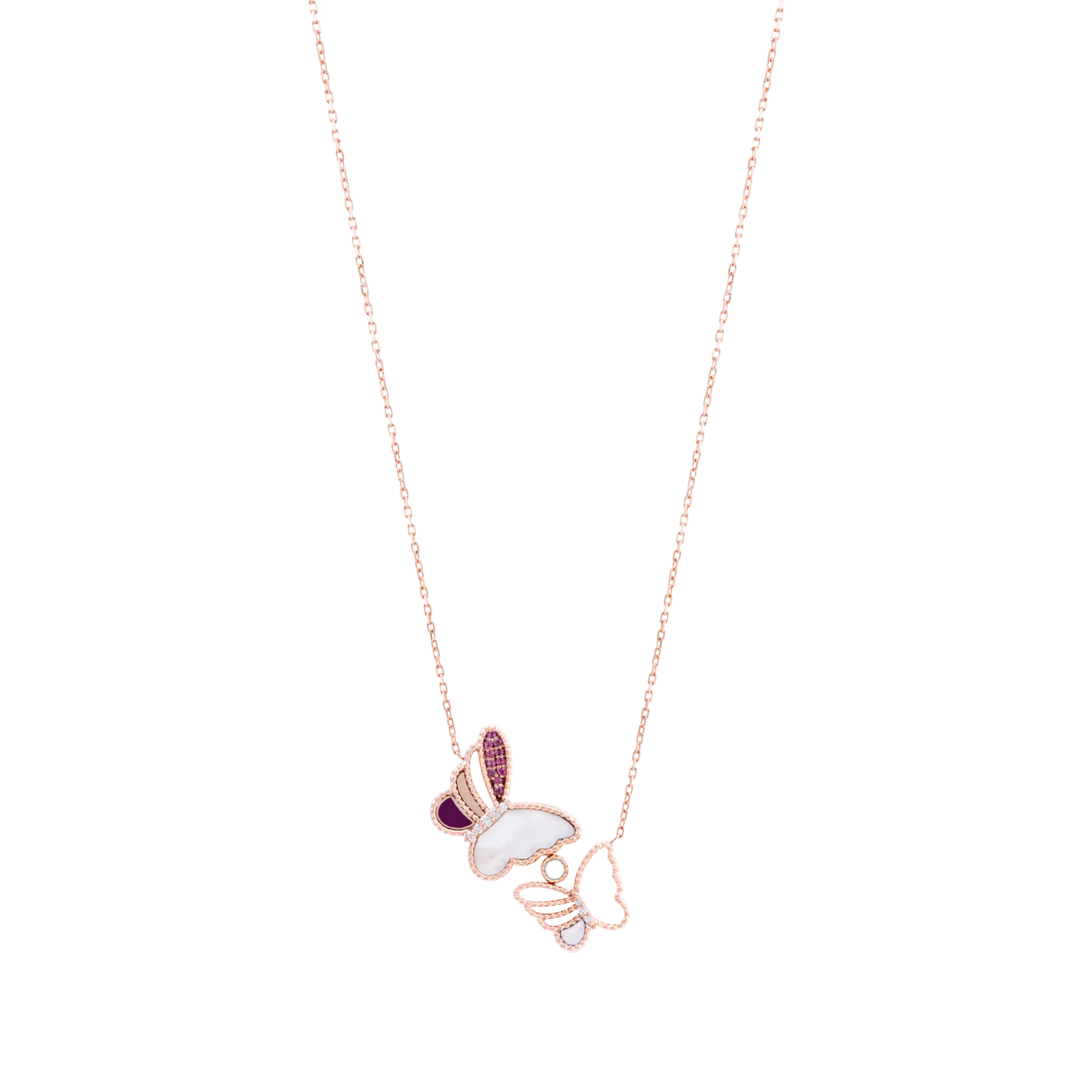
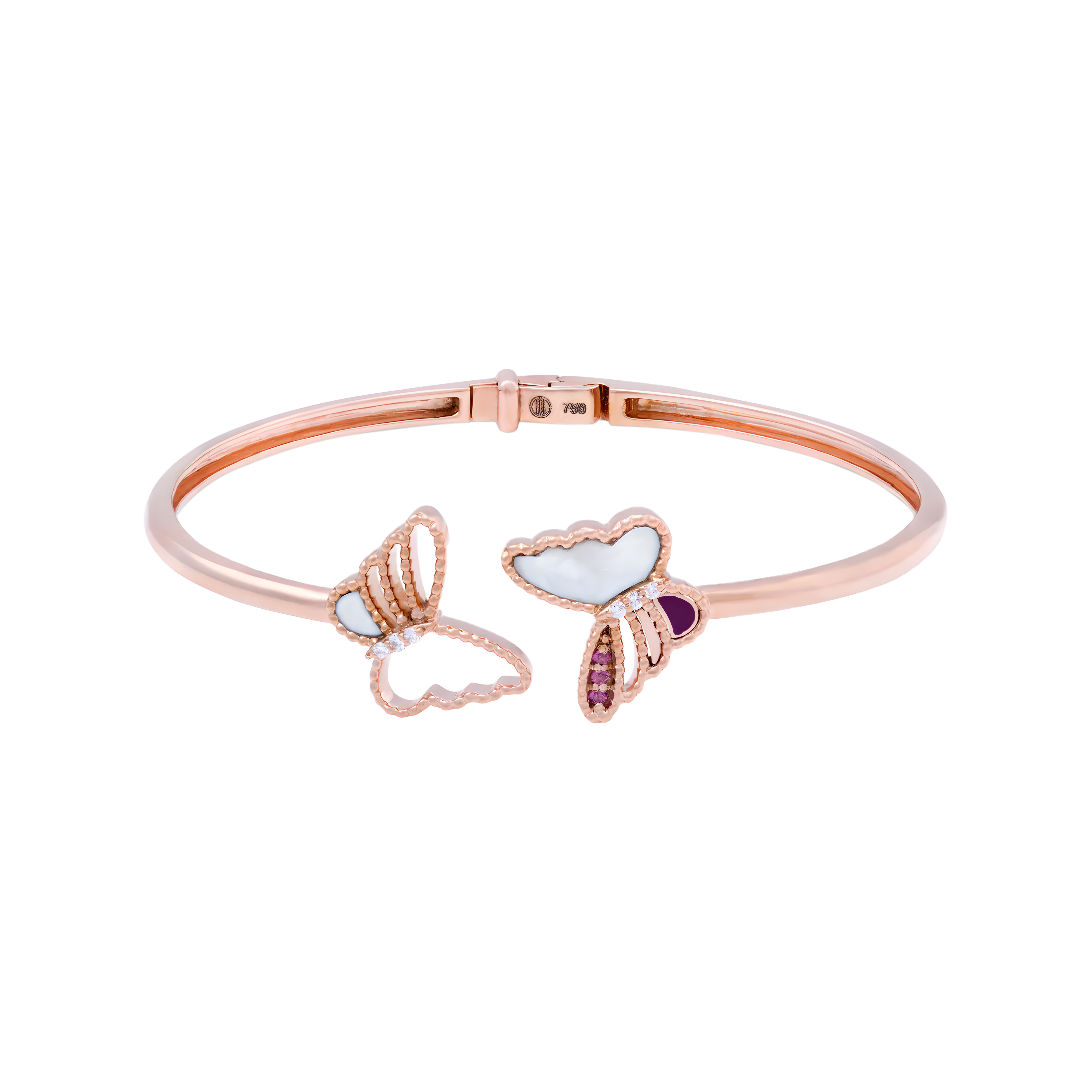
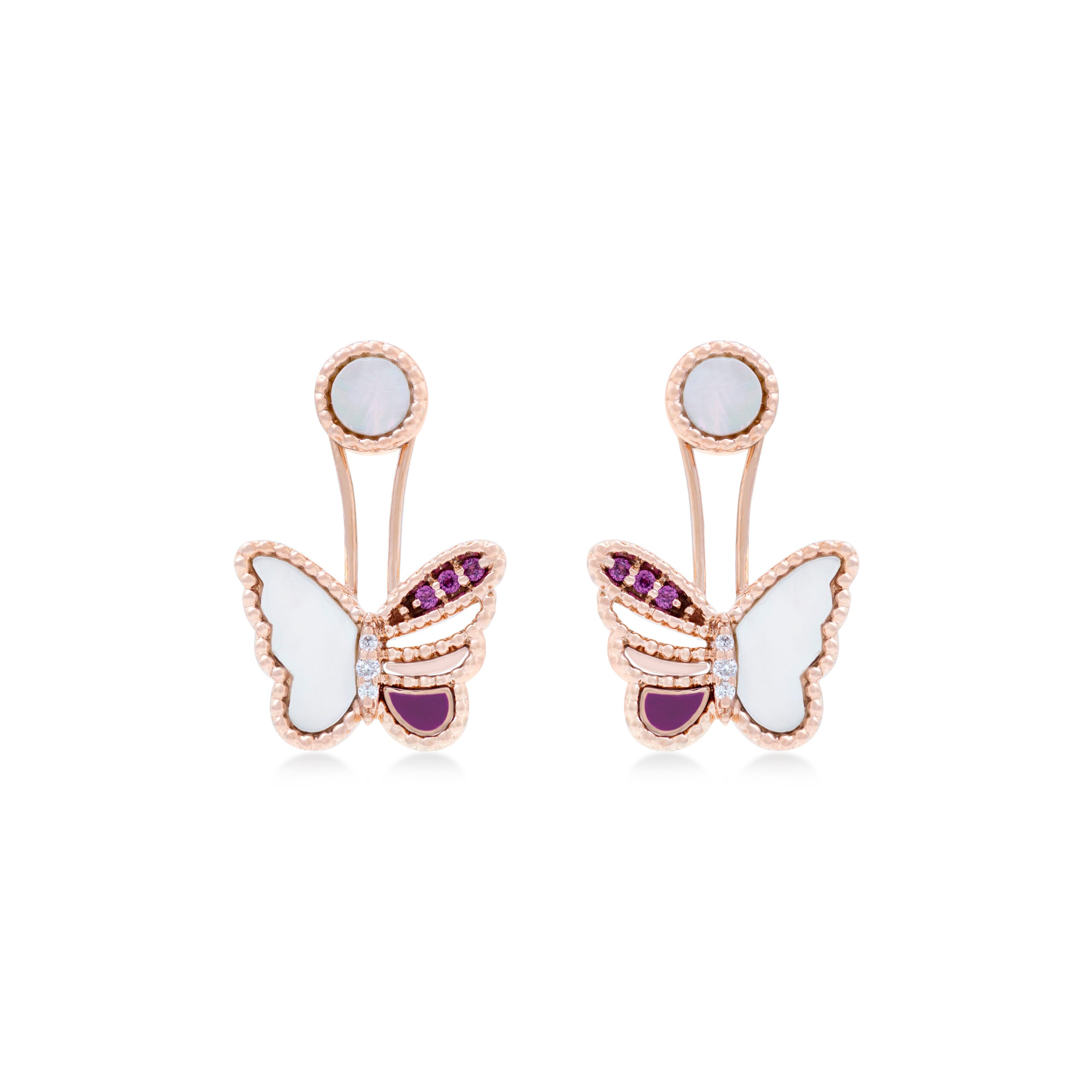
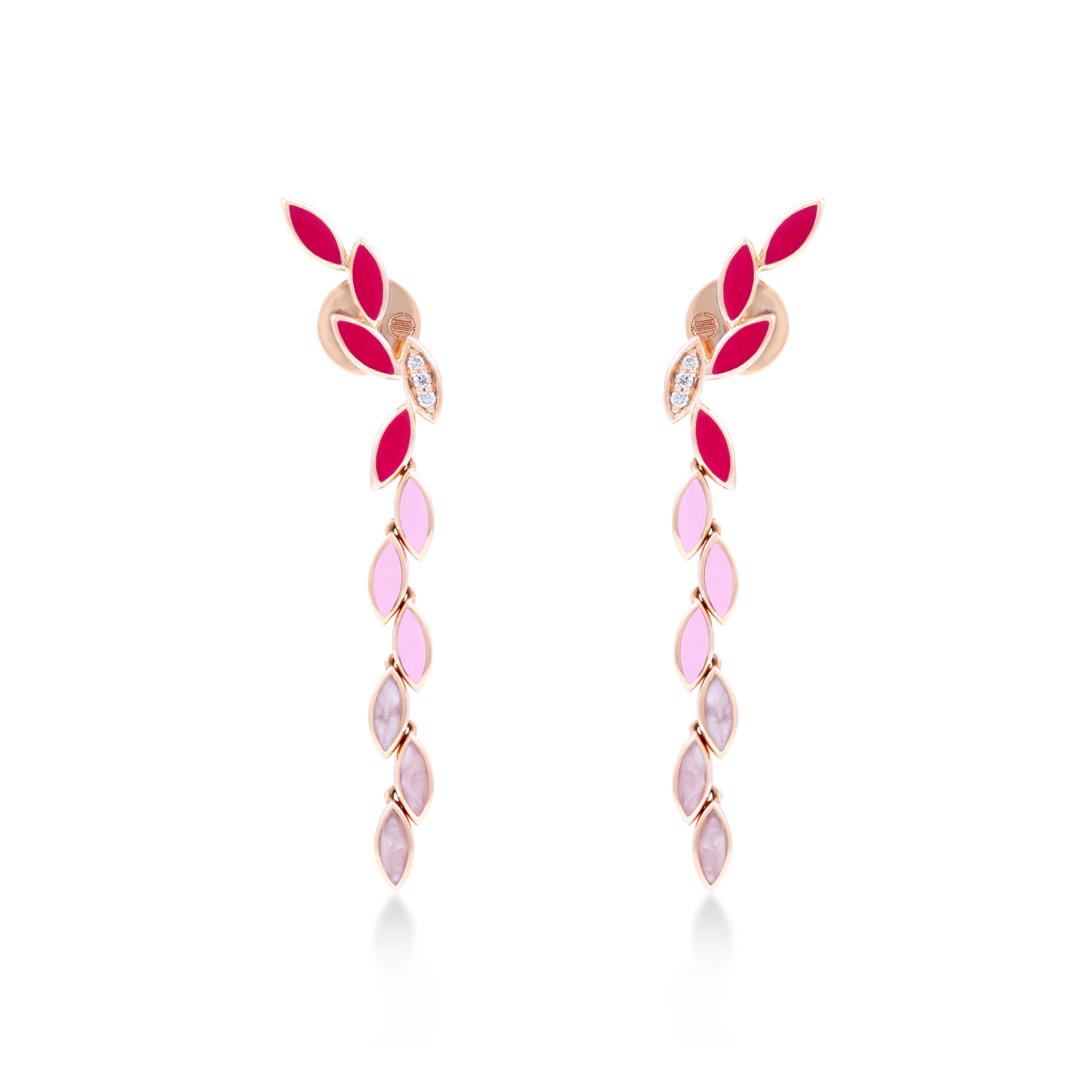
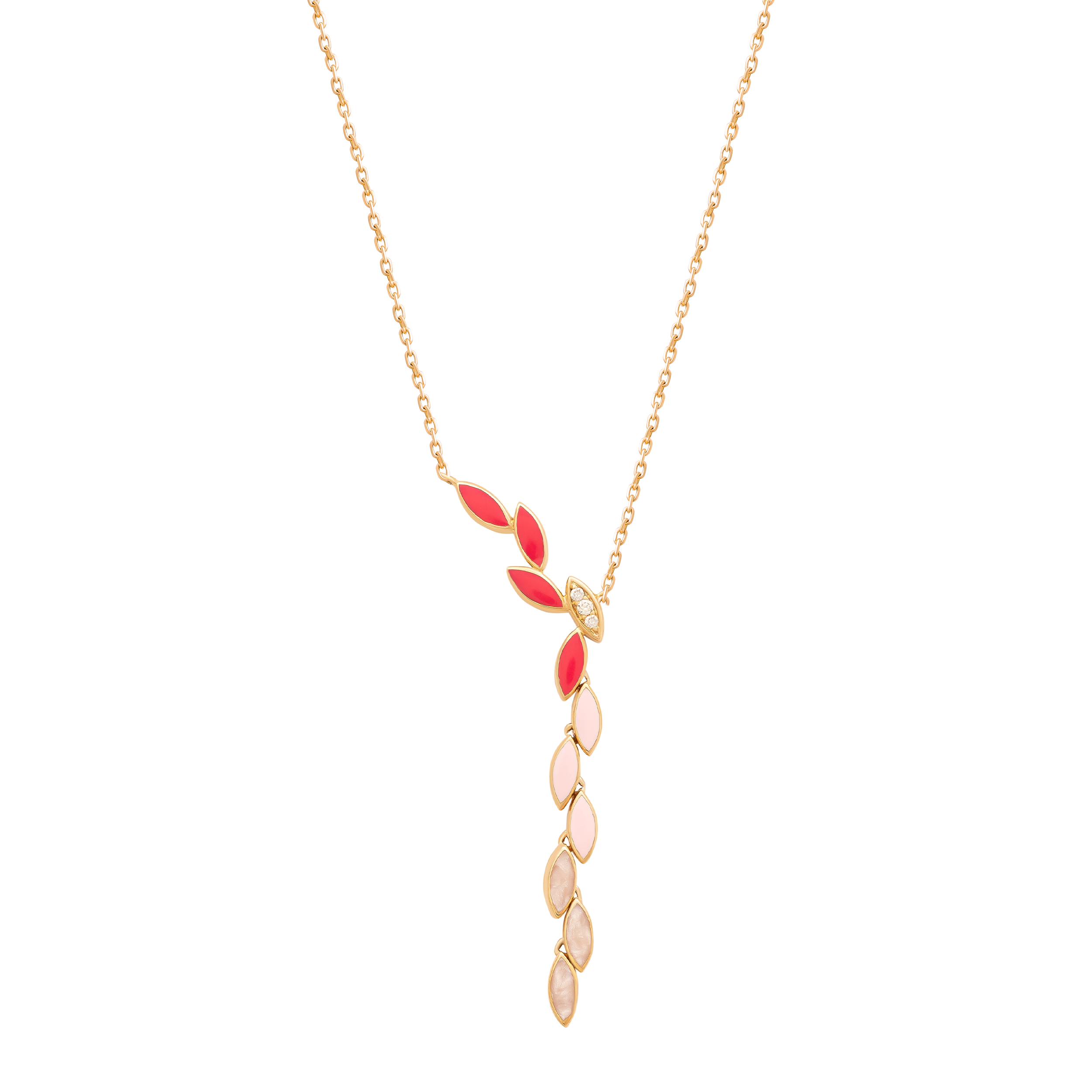
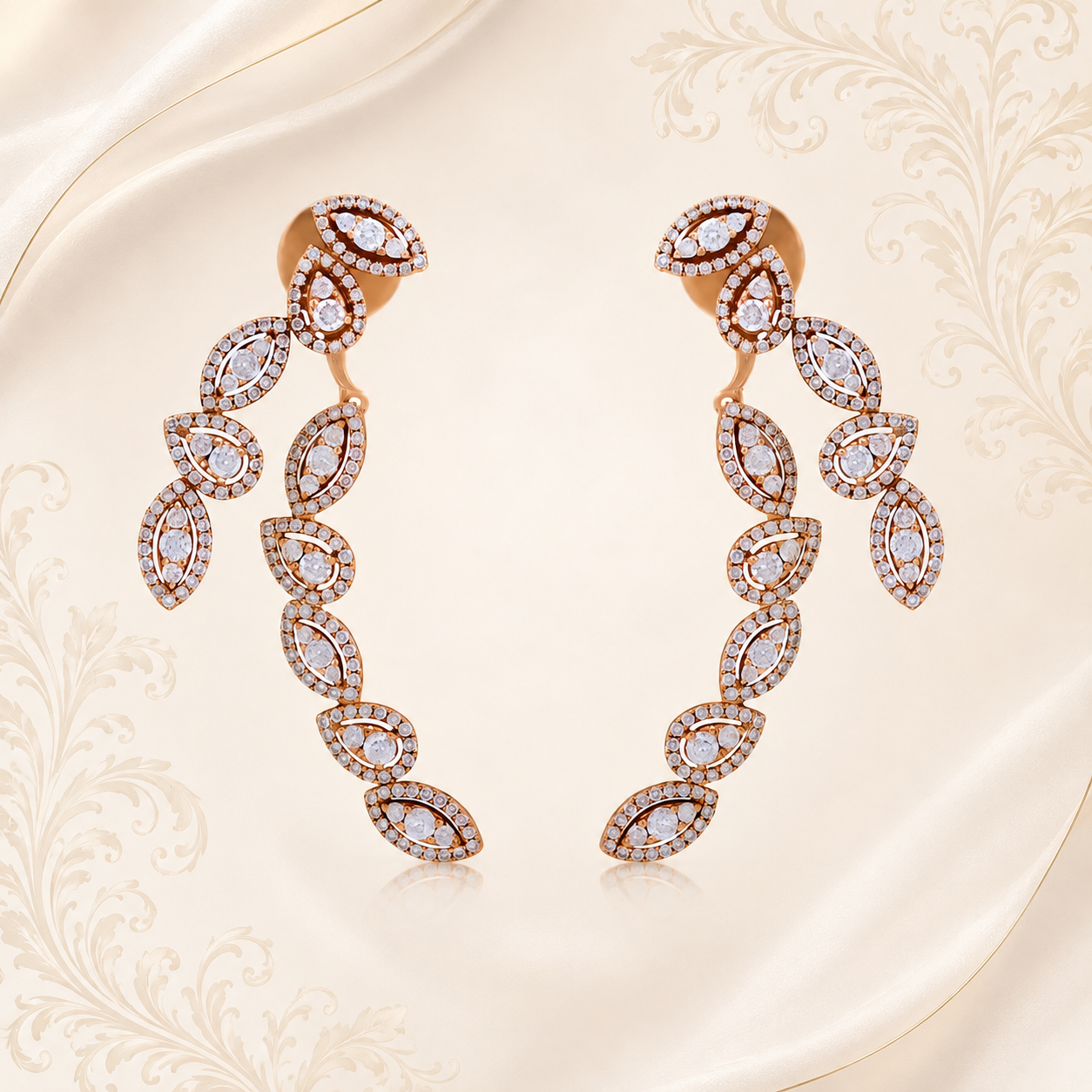
One of the quickest ways to get impostor jewellery that doesn't match the color of its illusion set is to not check out the diamond consistency first. Because illusion settings are made from a lot of small stones positioned right by each other they are not the same color if they aren't, then the illusion is ruined. This is exactly why diamond color matching is central to good luxury illusion jewellery uae buyers can actually trust, and why Jewel Teller treats it as a non-negotiable step rather than a finishing touch.
Anyone who did a bit of Dubai shopping for rings or pendants that create a magical effect, you will see how different the deals are that's offered by the sellers in Dubai, Abu Dhabi, or Sharjah. A few pieces glow all over the same. Some have one or two that look slightly yellow/grey next to other neighbouring stones. This typically depends on whether the jeweller sorted the diamonds by colour before setting.

What Illusion Setting Actually Does
In an illusion setting, a frame is typically crafted from white gold or platinum, then precision-cut to hold multiple smaller diamonds so they appear as one singular, brilliant stone. It is a masterful optical trick, popular because it delivers a grand visual impact without the cost of a massive center gem.
However, the magic only holds if the eye isn't distracted by inconsistencies. This is the guiding philosophy behind the Illusion Jewellery Collection at The Jewel Teller; we believe a piece set with ten diamonds must look like one seamless, breathtaking unit. Even a single out-of-place stone disrupts the harmony of the design, which is why our artisans prioritize absolute uniformity above all else.
Where Color Grading Comes In
The system of grading diamonds ranges from D (colourless) to Z (markedly yellow-brown) and even within a specific colour can be variations as will become apparent when compared and compared. Sorting is typically performed in the size range of the illusion setting in controlled light, i.e. size 12 instead of relying on a general colour certificate for illustration stone sorting.
There are a few factors jewellers actually inspect when doing this:
-
Whether there is one color or two color grades that could be chosen to represent all stones
-
Consistency under daylight equivalent and also warm interior lighting.
-
Fluorescence levels, highly fluorescent stones can alter readings in some lights
-
The fact that two diamonds of identical grade may have slightly different undertones (warm or cool) is another factor.
Omitting any of the following will result in a piece getting a fine photo, but never looks good when viewed up close upon.
Why This Matters More in the UAE Market
UAE is one of the most competitive jewellery markets. The shoppers here are accustomed to encountering a high standard of gold work and are sensitive towards inconsistencies since decades of years a high standard have been set by both the historic gold souks and established jewellery designers like The Jewel Teller. Illusion jewellery cannot rely on setting technique alone. The stones must stand up to the high winds.
Then, there's the lighting factor. Many sales are retail sales or social sales, which are conducted in bright showroom lights or in the daylight, where color mismatches may be apparent. An uncluttered ring in a dark box can have a drastically different appearance once it goes out the window.
Add in gifting culture around weddings and engagements, where illusion rings are a popular middle ground between budget and visual size, and the stakes for color consistency go up further. Nobody wants a wedding ring that reveals uneven stones a year later.
How Jewel Teller Approaches This
At Jewel Teller, color matching happens before a single stone is set, not after. Under neutral conditions, diamonds are sorted into groups, assessed against one another, not each other alone, and stones that do not fit the criteria of the group are dug and moved to another group. It's a different approach, and not as fast as stones set as they are delivered, but it separates a premium looking piece of work for years from a darned pair of seams that start to show in months.
This attention goes beyond the color. Light return is also being checked again, as is clarity and consistency of cut, since a poorly cut stone which may have the proper colour can throw off light return. The result is a whole jewel without any stone detracting from the overall composition.
What Buyers Should Check Before Purchasing
If you're shopping for illusion-set jewellery anywhere in the UAE, a few practical checks can save you from a disappointing purchase:
-
Ask to see the piece under two different lighting sources, not just the showroom's main display lights
-
Look closely at the stones from an angle, not just straight on
-
Ask whether the diamonds were sorted specifically for color consistency before setting
-
Check if the seller offers any documentation on stone quality, even a basic internal grading note
A jeweler who's done the sorting work properly will usually be happy to answer these questions directly, because it's part of what they're charging for.
Final Thought
Illusion setting is a genuinely clever way to make diamonds look bigger without the price tag of a large center stone, but the trick lives or dies on color consistency. A perfectly sized illusion piece appears as a single, amazing gem. If it's poorly matched, it reads as if it's supposed to contain several small diamonds that don't seem to belong together. In the UAE, that distinction is a factor that is worth considering before committing to buying illusion jewellery.
FAQs
1. What is an illusion setting in diamond jewellery?
Illusion setting is a technique where small diamonds are placed close together inside a shaped metal frame so they visually merge into what looks like a single larger diamond.
2. Why does diamond color matching matter so much in illusion jewellery specifically?
Because illusion settings depend on multiple stones sitting right next to each other, any color difference between them is far more noticeable than it would be on a single solitaire stone.
3. Can I check diamond color consistency myself before buying?
Yes. Looking at the piece under different lighting and from an angle, rather than just straight on under showroom lights, will usually reveal any mismatched stones.