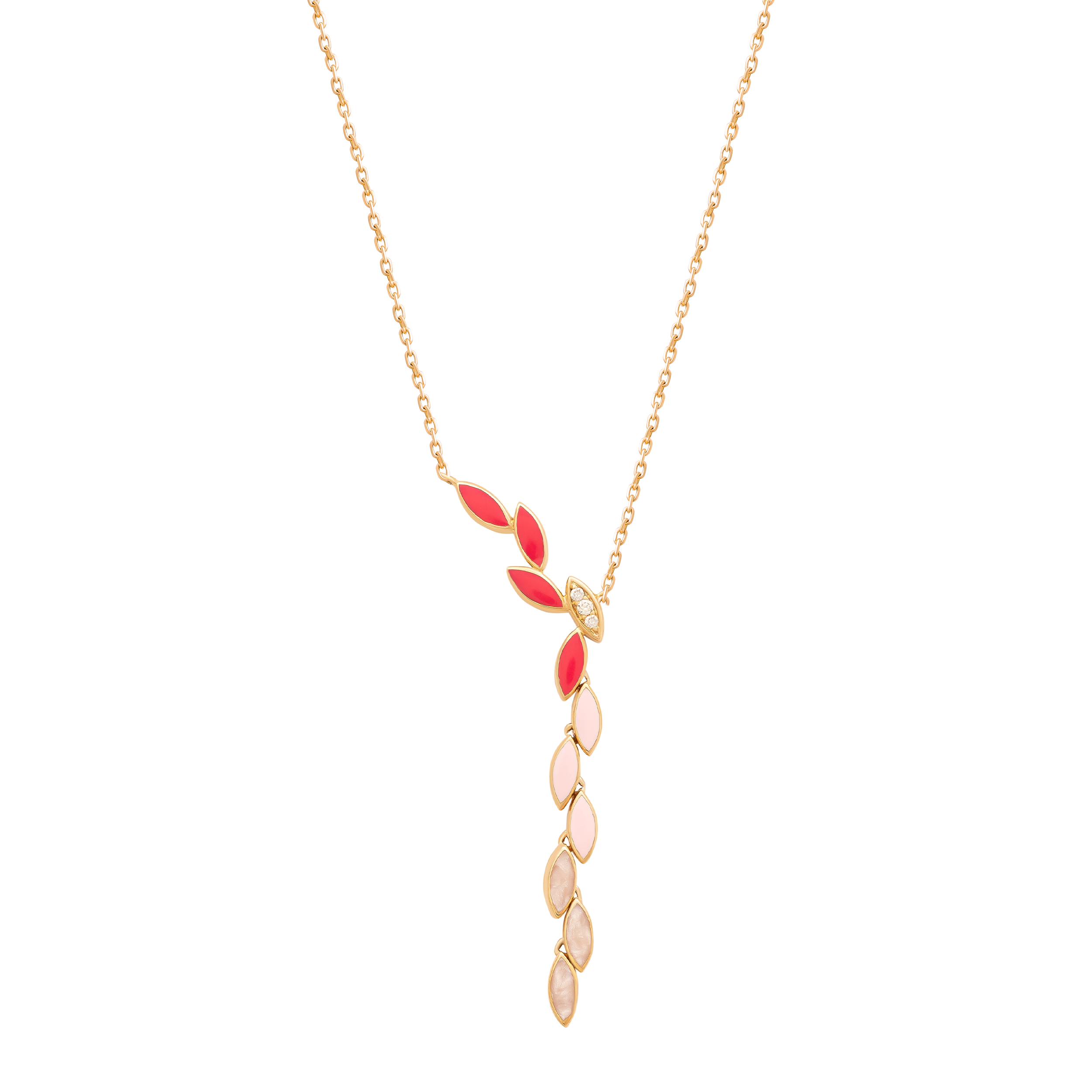
Gold can look bright on one person and quiet on another. Sometimes the reason is as simple as the light. Skin and clothing also change what the eye notices first. Jewellery worn beside another metal can look different too.
Undertones offer one way to understand this. Yellow gold brings warmth. White gold has a paler, cooler look. Rose gold brings in pink. On some skin the pink almost disappears; on other skin it is easy to notice.
Think of this as a way to begin, not a set of instructions. Anyone learning how to choose gold jewellery should try the piece on and, if possible, move towards a window. This simple comparison from The Jewel Teller is designed to help you choose the gold jewellery that complements your beauty.

A Quick Look at Your Undertone
Skin tone is the complexion you see first. Undertone sits underneath it. Someone’s skin tone may become lighter or deeper over time, while the underlying colour usually remains less affected.
Warm, cool, and neutral are the usual categories. They are broad descriptions, though, and not every complexion falls clearly into one of them.
One common check involves the veins at the wrist. Look at them outside or beside a window. Do they seem green? That is commonly taken as a sign of warm colouring. A blue or purple appearance is more often linked with cool colouring. No clear result? The undertone may be neutral.
But the test has limits. On some skin, the veins are difficult to see in the first place. Artificial lighting can make the colour even harder to judge.
A quicker alternative is to place different gold colours near the face. Do not ask only which one “matches.” Look at what actually happens to the complexion. One metal may brighten it, another may blend in, and a third may create contrast. You might prefer any of those effects.
Trying Yellow Gold Against Warm Skin
Yellow gold is often the easiest first comparison for skin with golden, peach, or olive colouring. There is already some warmth in the skin, so the metal does not look separate from it.
Perhaps you want the jewellery to blend in rather than make a sharp contrast. In that case, try a yellow gold chain against the neckline and see whether it feels natural with the skin and clothing.
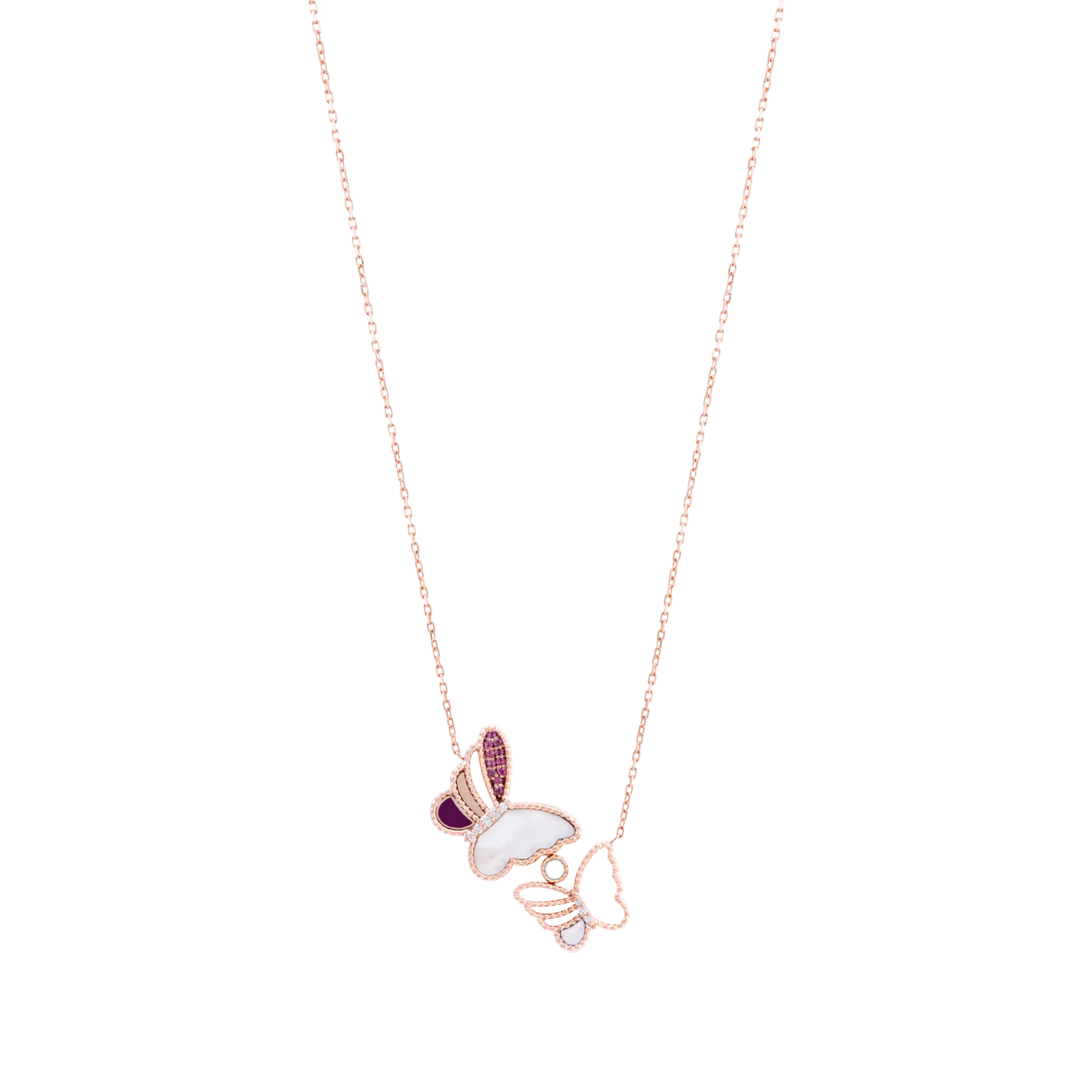
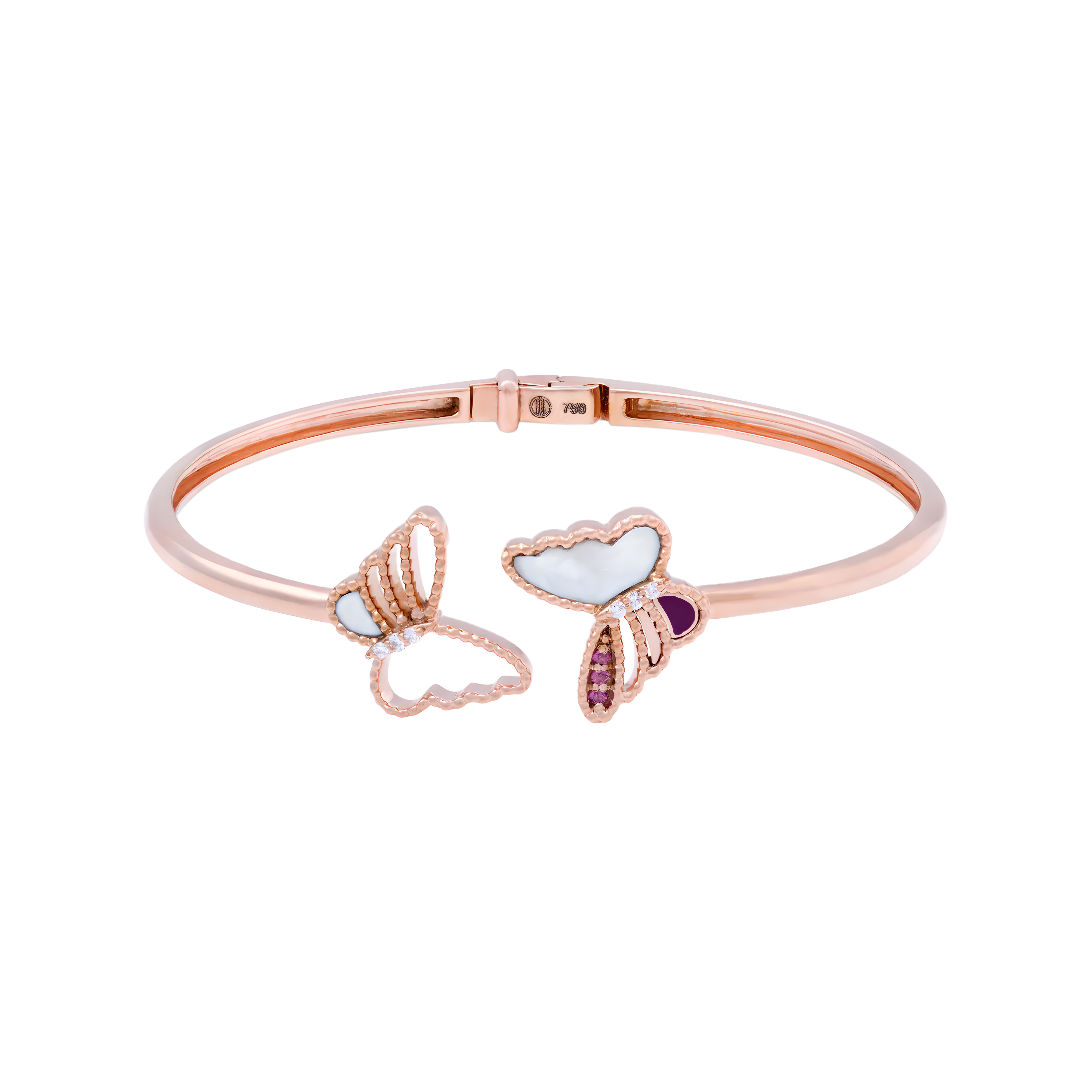
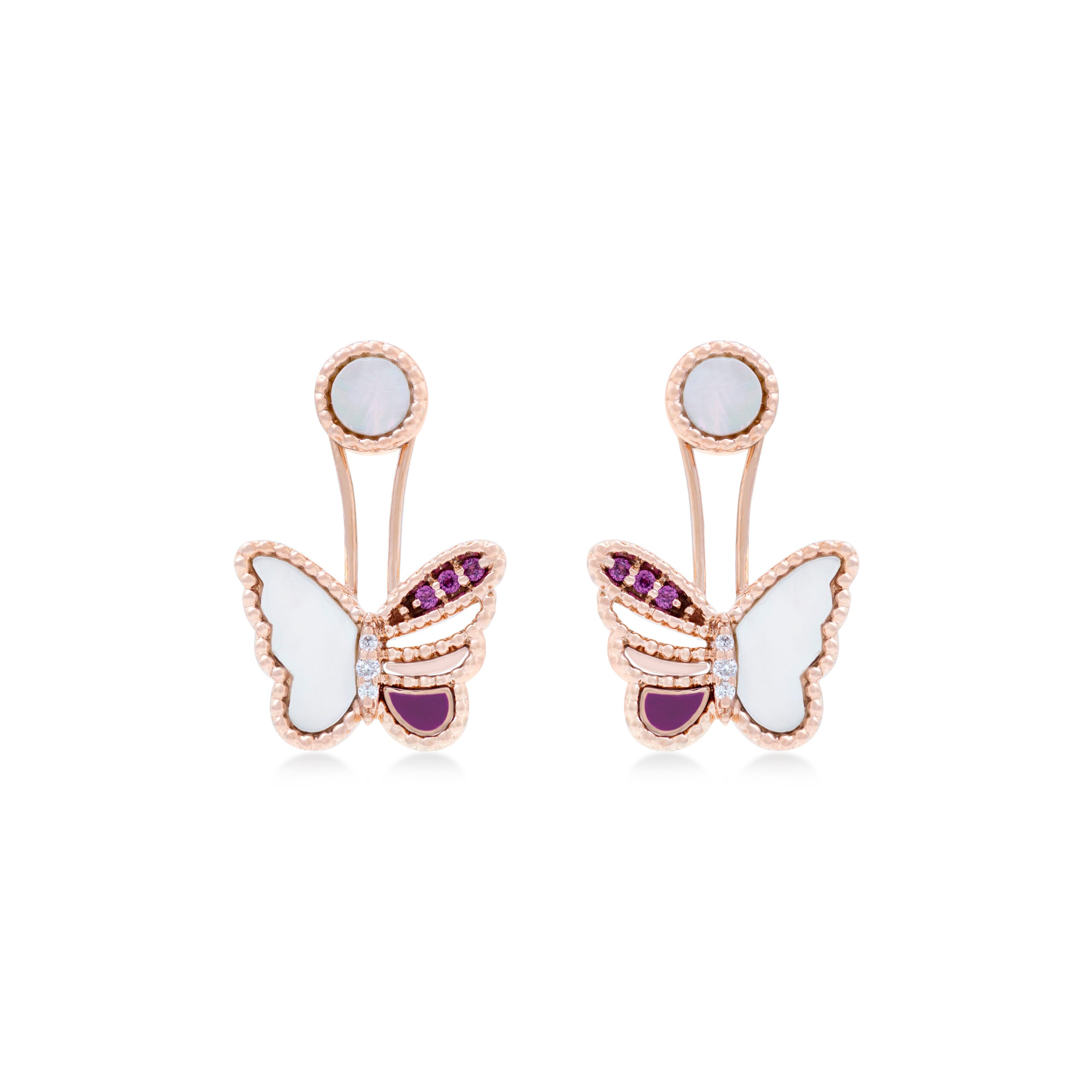
Jewel Teller’s Baby Love Collection has several pieces in 18K yellow gold, among them necklaces, bracelets, pendants, and earrings. Many of the designs are fine and delicate. The collection also has an 18K rose gold bracelet, so the difference between yellow and pink-toned gold can be seen without moving to a completely different style.
Start with yellow gold, but do not stop there. Some people with warm skin prefer the cleaner contrast of white gold. Others find rose gold closer to their everyday wardrobe.
Looking at White Gold
Pink, red, or slightly blue colouring may be visible in a cool complexion. Put white gold beside it and the metal will not add the same yellow warmth. For some people, that is what makes the pairing work.
White gold affects the surrounding design too, particularly when diamonds are involved. The pale setting may draw less attention to itself, so the stones are noticed first.
The Blossom Collection includes Jewel Teller diamond earrings made in 18K white gold. White gold can also be found in the Art Deco Collection, used for rings, earrings, and necklace pendants.
Still, yellow gold may be worth trying. On cool skin it creates a warmer, more visible contrast. That difference may be the reason you prefer it; jewellery does not always need to blend into the complexion.
If Your Undertone Seems Neutral
If neither warm nor cool descriptions seem quite right, the undertone may be neutral. This usually makes the initial choice easier because all three gold colours are worth testing.
The decision then moves towards style.
Yellow gold tends to bring a traditional warmth. White gold feels quieter and cooler. Rose gold falls between them, though the pink tone may become more noticeable beside certain clothing colours.
Jewel Teller’s Branch Affinity Collection appears in rose, white, and yellow 18K gold. Comparing related designs is useful because the shape is not changing as much as the metal colour. It becomes easier to see what the gold itself is doing against the skin.
Mixed metals are also easy to try with neutral colouring. There is no need to take off a white gold ring simply because the bracelet you want to wear is yellow gold. They may work perfectly well together.
Rose Gold Is Often About the Wardrobe
Rose gold is regularly described as universally flattering. That sounds convenient, but its appearance still changes from one person to another.
On warmer skin, the pink colour may blend with peach or golden tones. Against cooler skin it can stand out more. Neither effect is automatically better.
Open the wardrobe before making the decision. If cream, beige, muted pink, or soft brown appears often, rose gold may already suit much of what you wear. It is less about matching every colour and more about whether the metal feels at home beside them.
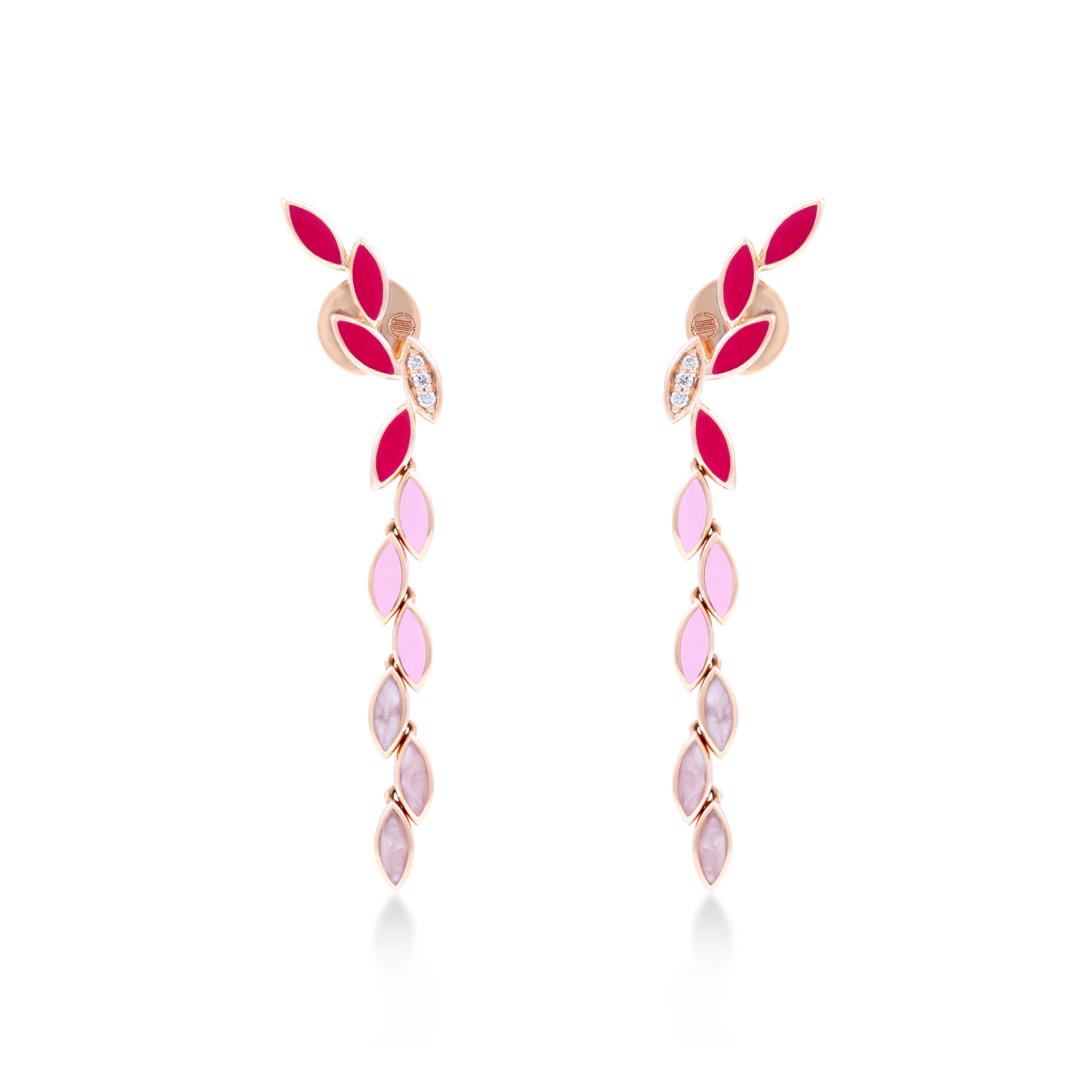
It appears in Jewel Teller designs from the Baby Love, Blossom, and Branch Affinity collections. Look at the scale of the piece as well as the colour. A thin chain gives only a hint of pink, whereas a wider design makes the rose tone more obvious.
Choose Something You Will Actually Wear
The metal may flatter the skin, yet the jewellery can still remain unworn. Size and weight matter. So do the shape of the piece and the amount of detail in it.
Picture the clothes you wear in a normal week. Would a fine necklace sit well with their necklines? With earrings, the question may be simpler: do you normally reach for a quiet pair, or something people will notice?
The Baby Love Collection includes fine chains and smaller, delicate designs. The Art Deco Collection has a more structured character. The Bamboo Collection moves in another direction again, giving the design itself a stronger presence.
For a romantic style, the La Vie En Rose Collection includes yellow gold pieces with diamonds. Pearl details appear in some designs as well.
This is why how to choose gold jewellery cannot be answered by undertone alone. The “right” colour is not especially useful if the design feels wrong once it is worn.
Shop Lighting Can Be Misleading
Jewellery shops need bright lighting, but it does not always give a realistic view of the metal or the skin.
Warm bulbs can make yellow gold appear deeper. Very white lighting may sharpen the look of white gold and reduce some of the softness in rose gold. Walk outside and the colour may shift again.
If there is a window nearby, take another look there. Try earrings beside the face, where they will be worn, rather than judging them against the hand. Place a necklace near the neckline. Compare rings on the same hand, since moving them from one side of the body to the other can also change the light.
Then look away and look back. Which piece do you notice first? Does it brighten the skin, blend into it, or create a contrast you like?
The answer does not have to agree with the undertone test.
Wearing More Than One Gold Colour
Choosing yellow gold today does not mean every future purchase must be yellow gold too. In 2026, different gold colours will be regularly worn together. It is also a practical way to use pieces that are already in the jewellery box.
One approach is to repeat a colour. If a layered necklace includes both yellow and white gold, bring one of those colours back in a ring or bracelet. That small repetition can tie the combination together.
Scale matters too. Two delicate chains in different gold colours may look more connected than a very fine chain worn beside a large statement piece, even if both are made from the same metal.
Begin with two colours if three feels busy. There is no prize for using every gold tone at once.
Conclusion
Skin undertone gives you somewhere to begin. Yellow and rose gold often feel natural beside warmer colouring. White gold is a useful first comparison for cooler skin. A neutral undertone may move comfortably between all three.
Once the first comparison is made, forget the label for a moment. Look at the piece in daylight and with the clothes you would normally wear. A close colour match may appeal to you, or you may prefer the metal to stand out. The best jewellery store in Dubai offers a wider selection of elegant jewellery that complements your skin undertone.
Jewel Teller’s Baby Love, Art Deco, Blossom, Branch Affinity, Bamboo, Arcobaleno, and La Vie En Rose collections provide different gold colours and design styles to compare.
FAQs
1. What gold colour should I try with warm skin?
Yellow gold is a useful first comparison for golden, peach, or olive undertones. Rose gold may also sit comfortably beside warmer colouring. Try white gold as well if you prefer a clearer contrast.
2. Is yellow gold unsuitable for cool undertones?
No. White gold often blends easily with cool colouring, but yellow gold creates warmth and contrast. Some people prefer that stronger difference. View both in daylight before choosing.
3. Does rose gold work on every complexion?
It can be worn across warm, cool, and neutral undertones, although the effect changes. Rose gold may blend softly into warm skin and appear more distinct against cool skin. Clothing and the size of the jewellery influence the result too.