When purchasing diamond jewellery, it can often be a part of a meaningful occasion, like an engagement, anniversary, milestone in life, or just a necklace you want to cherish for years. However, these days, buyers have one more choice to make: which is better, a natural diamond or a lab-grown diamond?
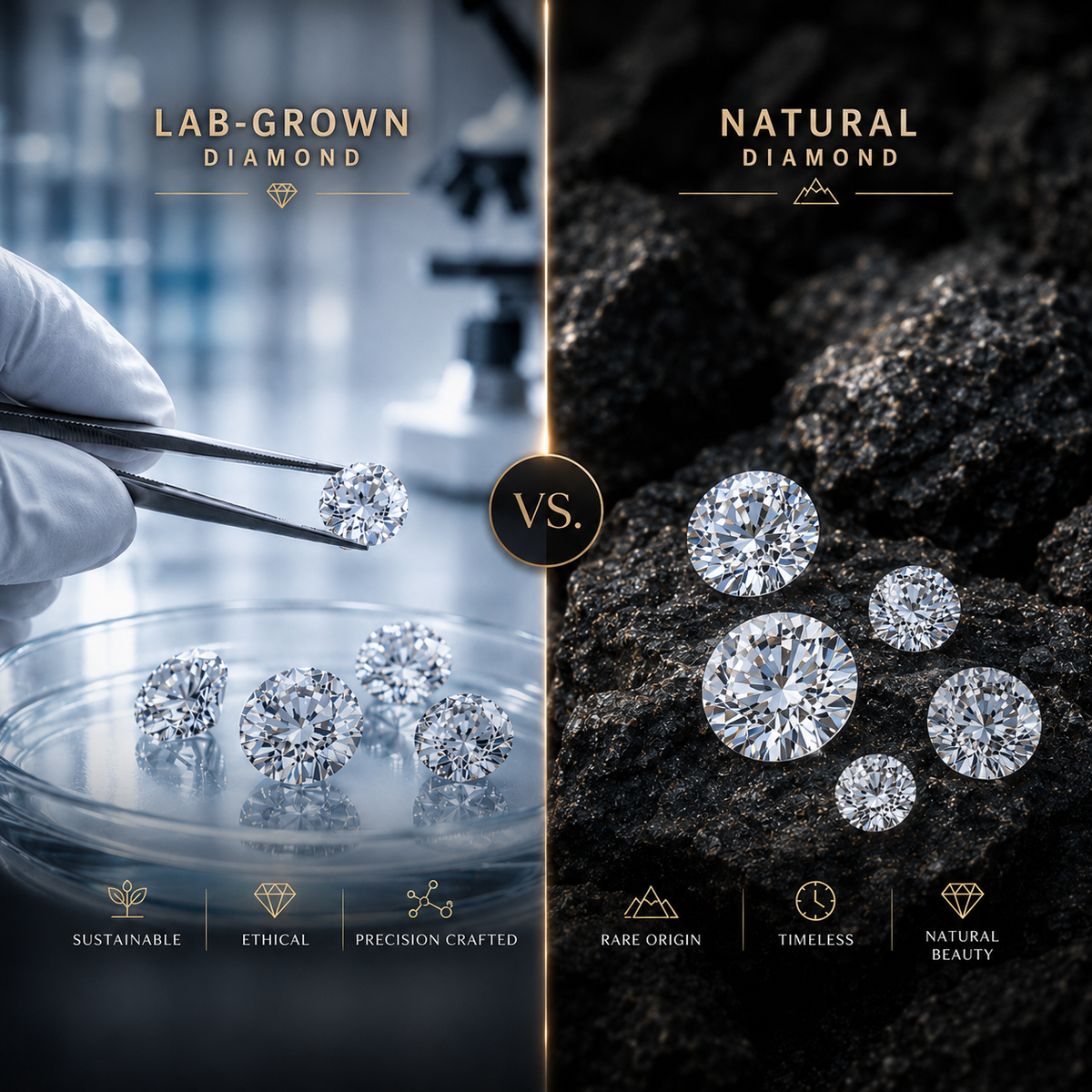
When it comes to lab grown vs. natural diamond comparison, it can be quite confusing because they can be so similar looking. They are both diamonds but they have different histories and market positions. Knowing those distinctions can assist you to select the stone that is desirable to your requirements, financial budget and how you are buying.
Looking for expert guidance on lab-grown vs. natural diamonds? The Jewel Teller is here to guide you through the differences.

What Is a Natural Diamond?
Natural diamonds: They are created in the earth's geological conditions. This occurs over an extremely long period of time at high pressures and high temperatures. Eventually, the diamonds have come close to the Earth's surface, and they are of natural origin.
This is one of the reasons they are so popular. To many buyers, a natural diamond may be a rarity, it's a historical gem that existed long before the dawn of jewellery.
Natural diamonds come in a variety of cuts, colours, clarities and carat sizes. These are all the factors which affect the appearance of the stone and add to its price.
What Is a Lab-Grown Diamond?
Lab Diamonds: They are diamonds that are produced in a laboratory instead of in nature. Currently, there are only two known methods of diamond growth: High Pressure High Temperature (HPHT) and Chemical Vapor Deposition (CVD).
A note here for anyone who assumes a lab-created diamond will be equal to a diamond simulant; it's not. Lab grown diamonds have practically the same chemical composition, crystal structure, physical and optical properties as natural diamonds.
Thus, it's only difficult to distinguish the two by their appearance. Examination in a gemological laboratory may be required for good identification with the use of special equipment.
Difference between Lab Grown vs Natural Diamond
1. Origin
Natural diamonds have been formed by geological processes in the earth, and lab grown diamonds require technology to be produced in a controlled environment.
Some buyers have an emotional connection to natural origin. Some people prefer to look at the jewellery rather than the origin of the diamond.
2. Appearance
When comparing a well-cut lab grown vs natural diamond, appearance alone isn't necessarily enough to identify the diamond's origin.
Both can be as brilliant, fiery and sparkling as diamonds. Just like natural diamonds, lab-grown ones can also be clear or include clarity.
Buyers should never assume one of the stones will look better than the other, but rather individually assess the stone.
3. Price
One of the factors that can come into play is price.
Lab created diamonds are typically sold at less expensive prices than natural diamonds of a similar type. This may enable someone to think about a bigger stone or various qualities when they are within a specific price range.
Natural diamonds, on the other hand, have an alternative supply structure and market history. Either category of prices can fluctuate, so the purchaser should check the current prices, not assume or base on a percentage how much one should cost.
4. Rarity and Story
A natural diamond's geological history is impossible to recreate. This makes natural diamonds a special choice for those who appreciate rarity and the natural source of their gem.
The lab-grown diamond tells a different tale. It embodies the latest diamond technology and provides customers with a new method to appreciate the tactile and visual characteristics of diamond.
Both stories do not necessarily have to be the correct one for everyone. The key is that you know which is more important to you.
What About Diamond Quality?
Origin and quality are two different questions.
Diamond is not natural or lab made and hence it's not beautiful. But all of the above factors are crucial when it comes to assessing diamonds.
Of these two, “cut” is more significant as it will greatly affect the light movement through a diamond that is being polished. Consider not only the carat weight, but also the balance of the stone and what it will look like in the jewellery design that you have chosen.
It's important to have documentation and transparency as well. When purchasing a diamond, buyers should be aware whether it is a natural or a laboratory-grown diamond based on its appearance.
Choosing Diamond Jewellery That Matches Your Style
The Diamond is just a part of a jewellery piece. When it comes to how beautiful it looks when worn, design, proportions, gold colour, setting and craftsmanship are all factors.
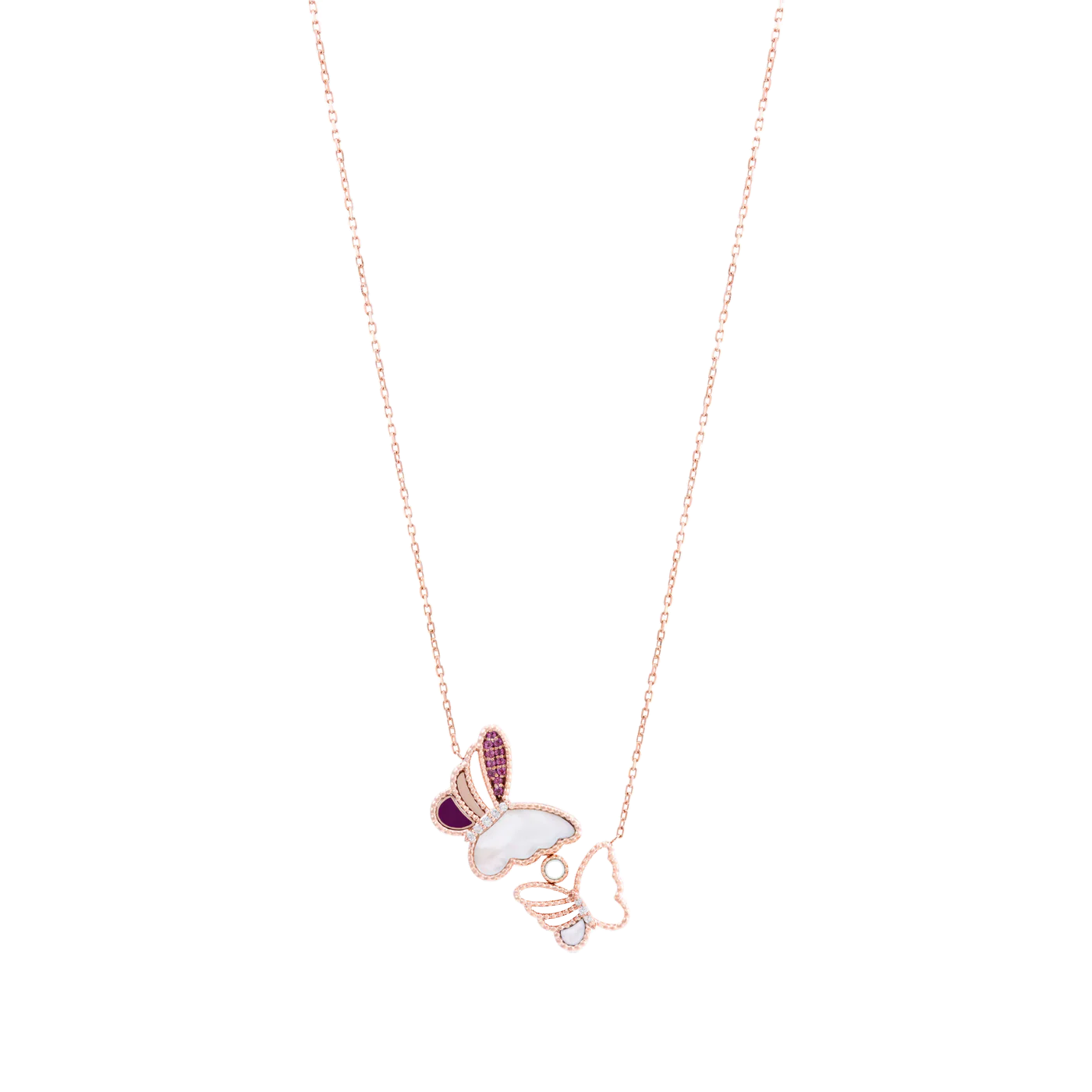
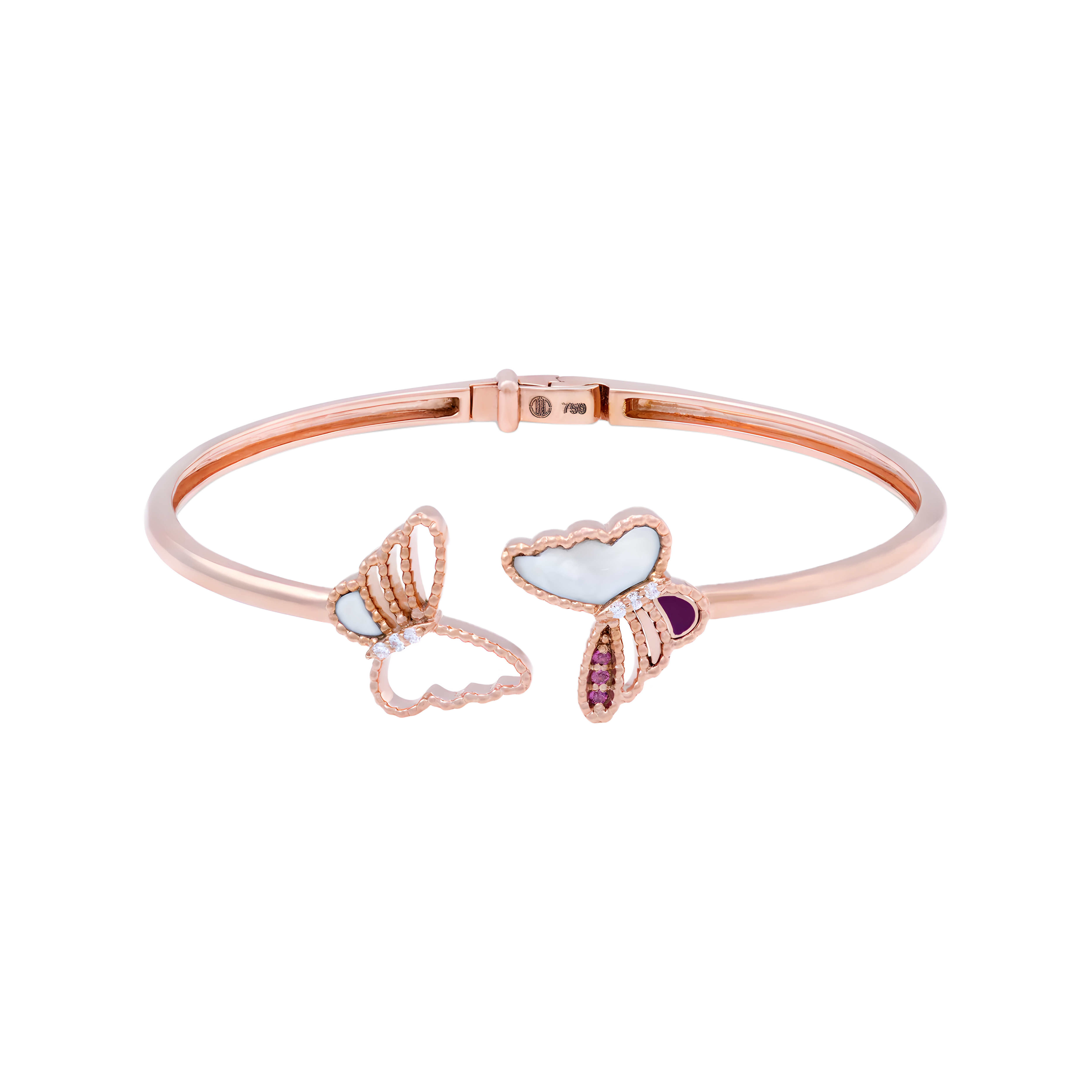
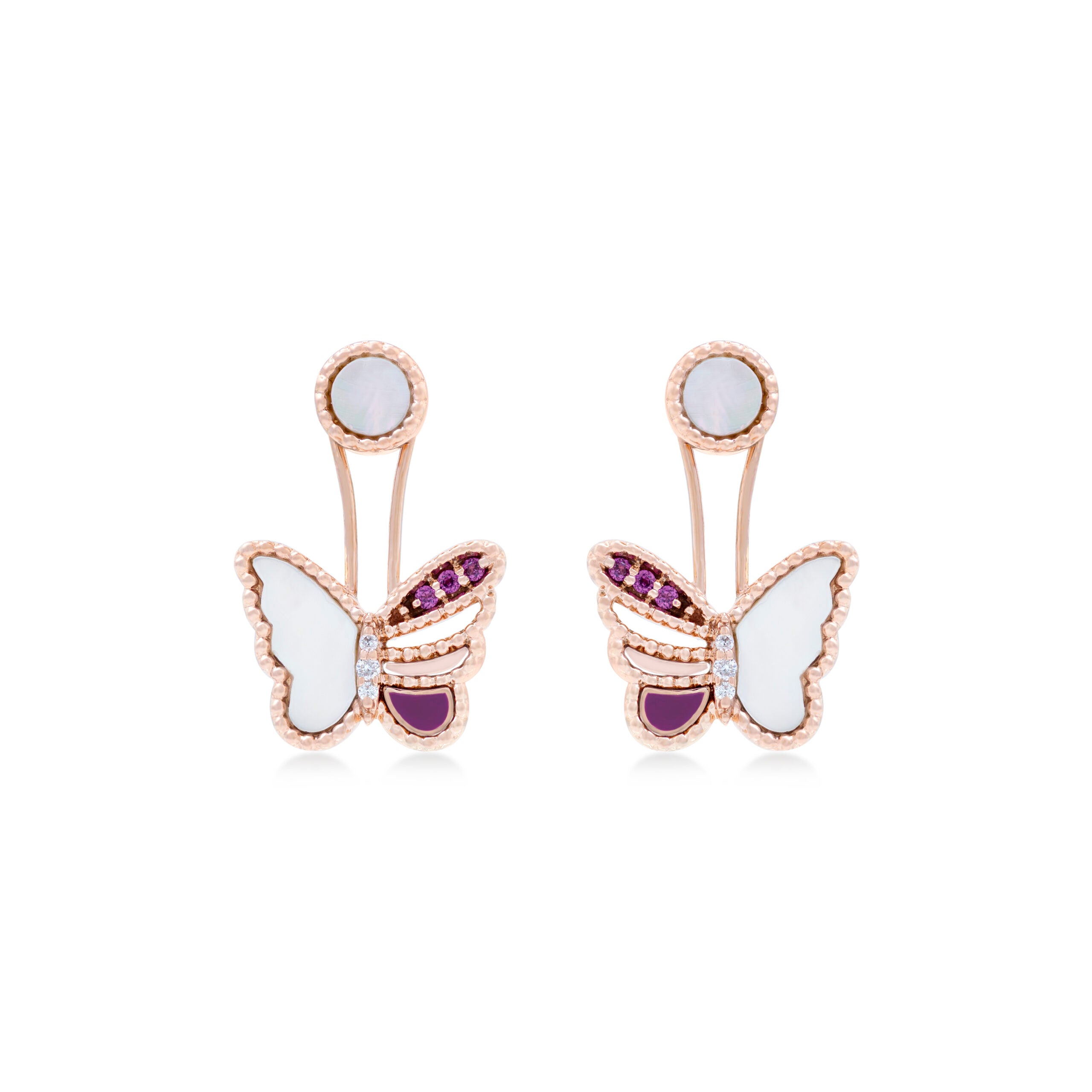
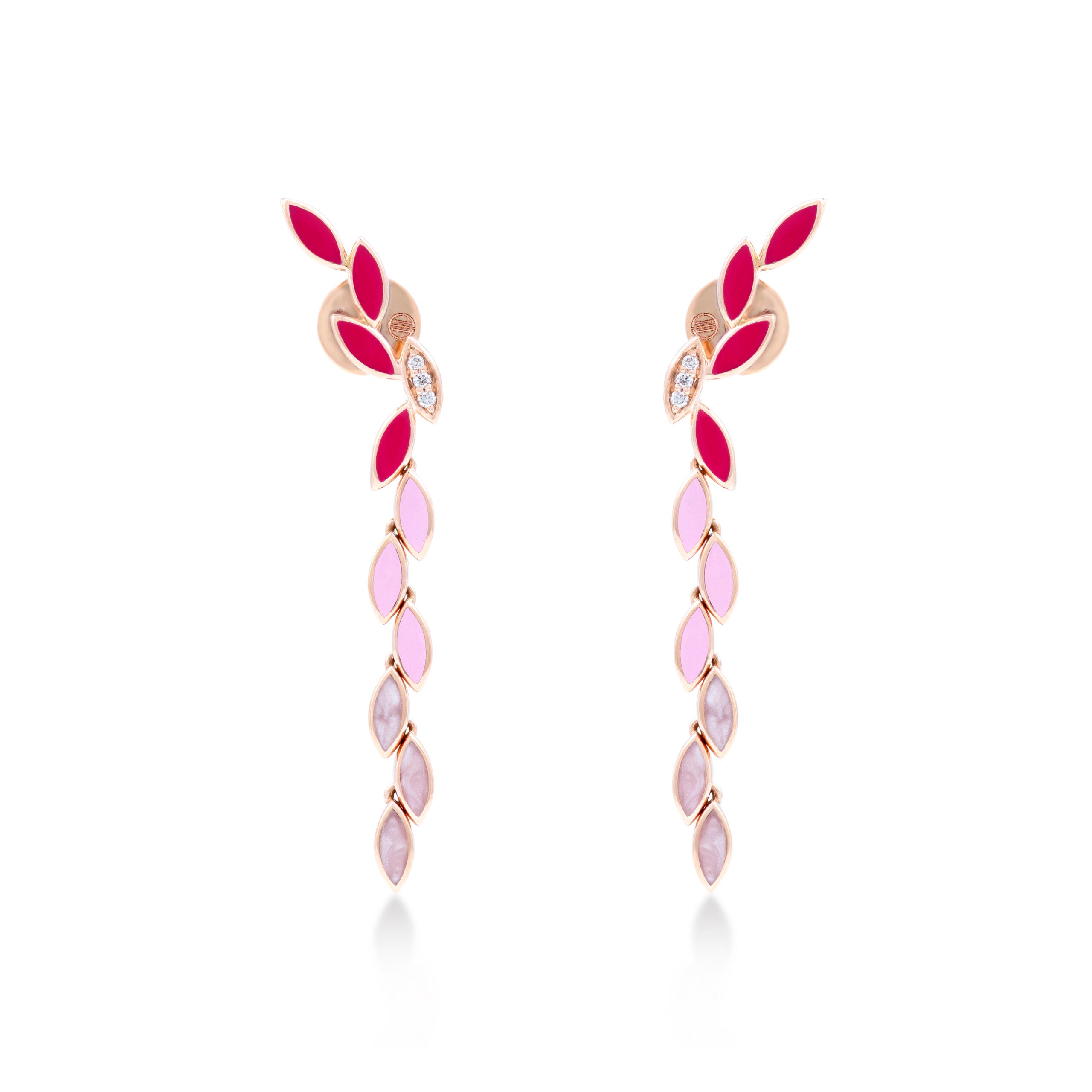
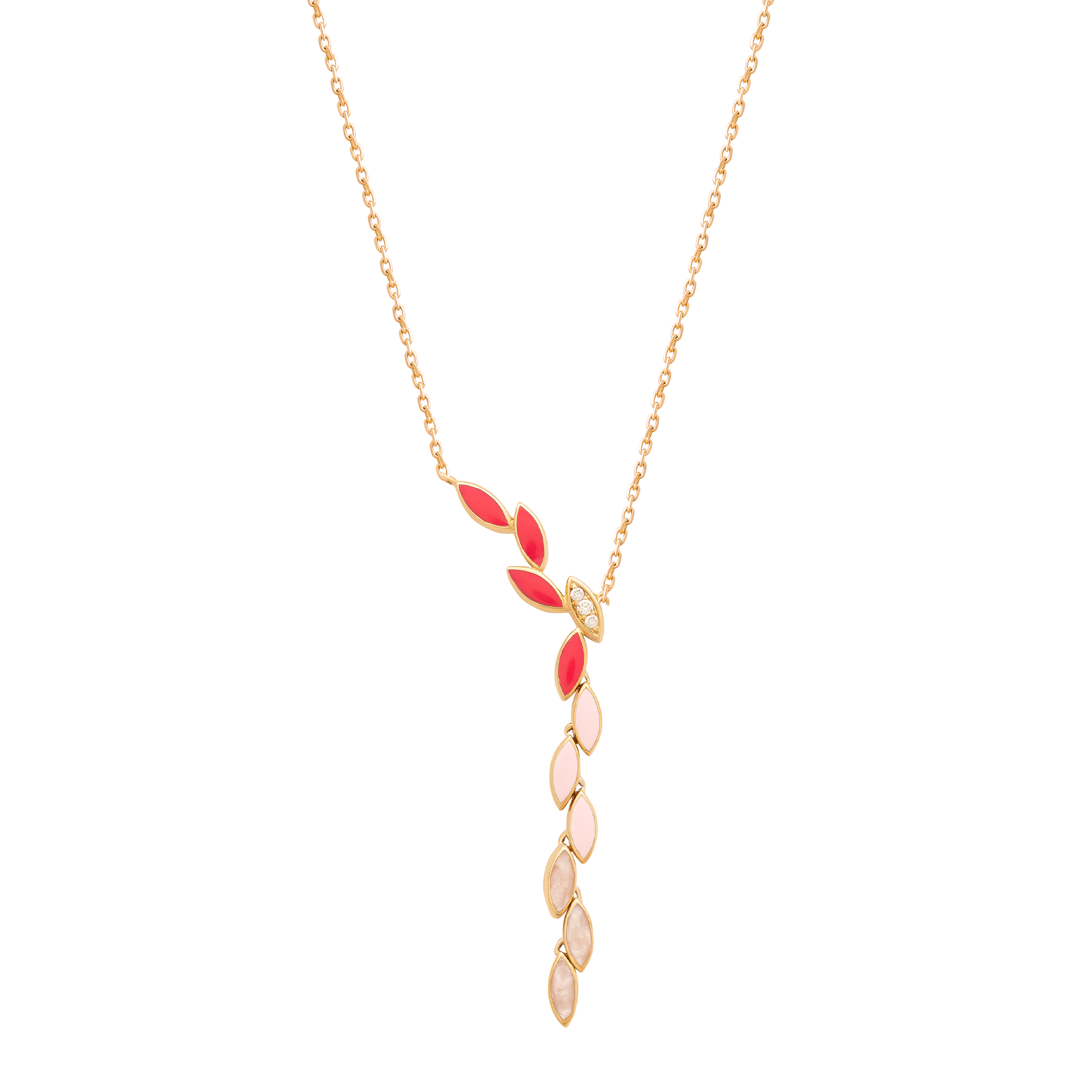
Buyers of the Jewel Teller can choose jewellery that fits into different unique styles. The official website showcases the Art Deco Collection, which comprises diamond rings, bracelets, earrings and pendants made in 18K gold. The Baby Love Collection consists of wonderful fine chain bracelets, fine chain necklaces, earrings and pendants, some of which incorporate VS-G diamonds.
Other designs that can be seen on The Jewel Teller's own website are Blossom, Branch Affinity, Bamboo, and Arcobaleno. These collections demonstrate the sheer variety of what diamonds can become when paired with an intricate design, whether it be a tender and whimsical piece of sentimental jewellery or a bolder work of geometric and statement design.
When it comes to comparing diamonds, then don't just limit yourself to specifications. Consider how you would like to wear it and what it will symbolize.
Which Diamond Should You Choose?
Do not assume there is one best option, make a choice based on priorities.
If the fact that they are natural, rare and have a traditional story associated with them, then a natural diamond may appeal to you. A lab grown diamond may be appealing if you prefer a diamond that has essentially the same primary material characteristics and are more important to the current price range that you can afford.
No matter which way you choose to do it, get a clear understanding about where the stone comes from and what kind of stone it is before buying. Choosing the best jewellery store in Dubai is your first step toward buying fine diamond jewellery.
Conclusion
Whether it's a lab grown or natural diamond it's really a matter of the origin, priorities, budget and the story you want the jewellery to tell. Natural diamonds have a geologic history and are naturally rare, whereas lab-grown diamonds are another form of owning diamond material that essentially has the same chemical, physical and optical properties.
Either way, do not make assumptions, but make decisions with information. On The Jewel Teller you can see a variety of jewelry styles such as Baby Love, Art Deco, Blossom, Bamboo, Arcobaleno and many more, and just focus on getting one that is significant to you.
FAQs
1. Is it possible to tell a lab-made diamond from a natural diamond simply by sight?
Consumers usually are not able to determine origin from a visual examination. Lab-grown and natural diamonds, however, have virtually the same chemical and optical characteristics and it takes special gemological testing to tell them apart.
2. Is the lab-grown diamond a cubic zirconia or another diamond simulant?
No. A lab created diamond is a diamond that is manufactured in a technology process. Diamond simulants look like diamonds but do not share their chemical and physical characteristics.
3. Are all natural diamonds better than lab-grown diamonds?
Not automatically. Better means better in their eyes because it depends on their value. The value of authenticity and rarity may be significant to some, while others may be concerned about cost and style of completed jewellery. It's also necessary to take into account individual diamond quality and jewellery craftsmanship.