Once you know what you are actually purchasing, it will be much easier to buy a diamond. While size might be the first thing to draw your eye, it's not the whole story. Cut, colour, clarity and carat are closely related and influence the appearance and quality description of a diamond.
The 4C's are these four characteristics. They offer a common method for assessing diamonds, even a lab grown diamond. Diamonds created in a laboratory are not fake diamonds. According to the U.S. Federal Trade Commission, a “laboratory grown or laboratory created” product possesses essentially the same optical, physical and chemical properties as a mined diamond, but is not mined, but rather created by scientists in a laboratory.
The Jewel Teller is here to guide you through the 4Cs to help you choose fine gold jewellery with the best quality lab-grown diamonds.

What Are the 4Cs of a Lab Grown Diamond?
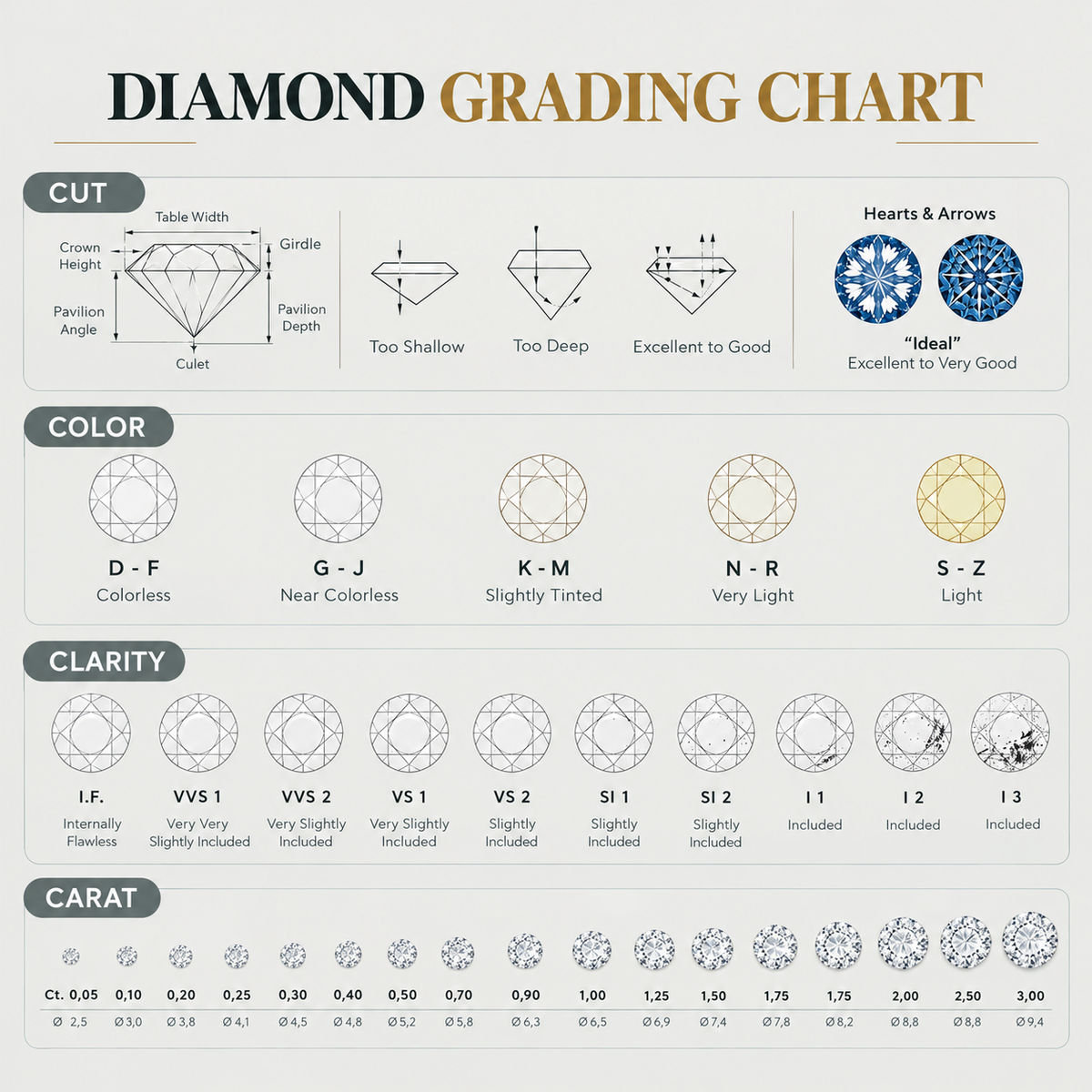
The 4Cs are a system of terms that are used to describe a diamond's characteristics: they are Cut, Color, Clarity, and Carat Weight. These are the 4Cs that GIA created as a common way to share information about the quality of a diamond and for this reason they are still very important in the evaluation of a diamond.
Remember the four factors are not to be taken in isolation. A bigger diamond may not be better-looking and the highest clarity grade may not be the best for all jewellery.
Let's check on each C.
1. Cut: The Key to a Diamond's Sparkle
Cut is often confused with shape. Examples of the shapes of diamonds include round, oval, pear and emerald. Quality, however, has to do with the proportions, facet placement, and the way the diamond interacts with light.
GIA says that the cut determines the brightness, color, and beauty of a diamond when it is viewed face-up. A well-cut lab grown diamond will reflect light with splendor that matches the kind of splendor that is linked to fine diamond jewellery. Even if a stone has high colour and clarity grades it can have poor proportions.
This is preferable from a buyer's point of view because it allows them to consider more than just the carat weight. When you consider brilliance, you need to focus on the quality of the cut and the appearance of the stone.
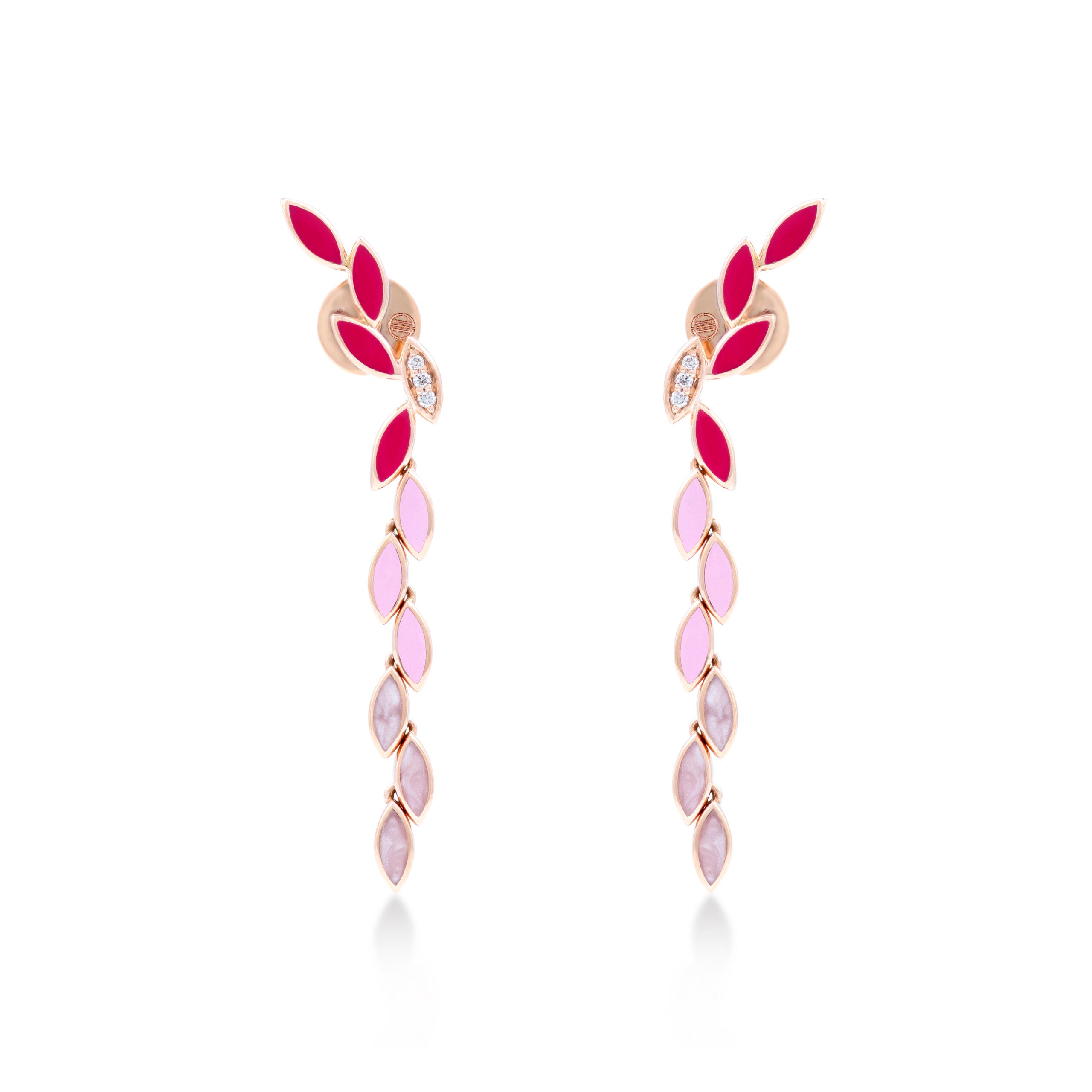
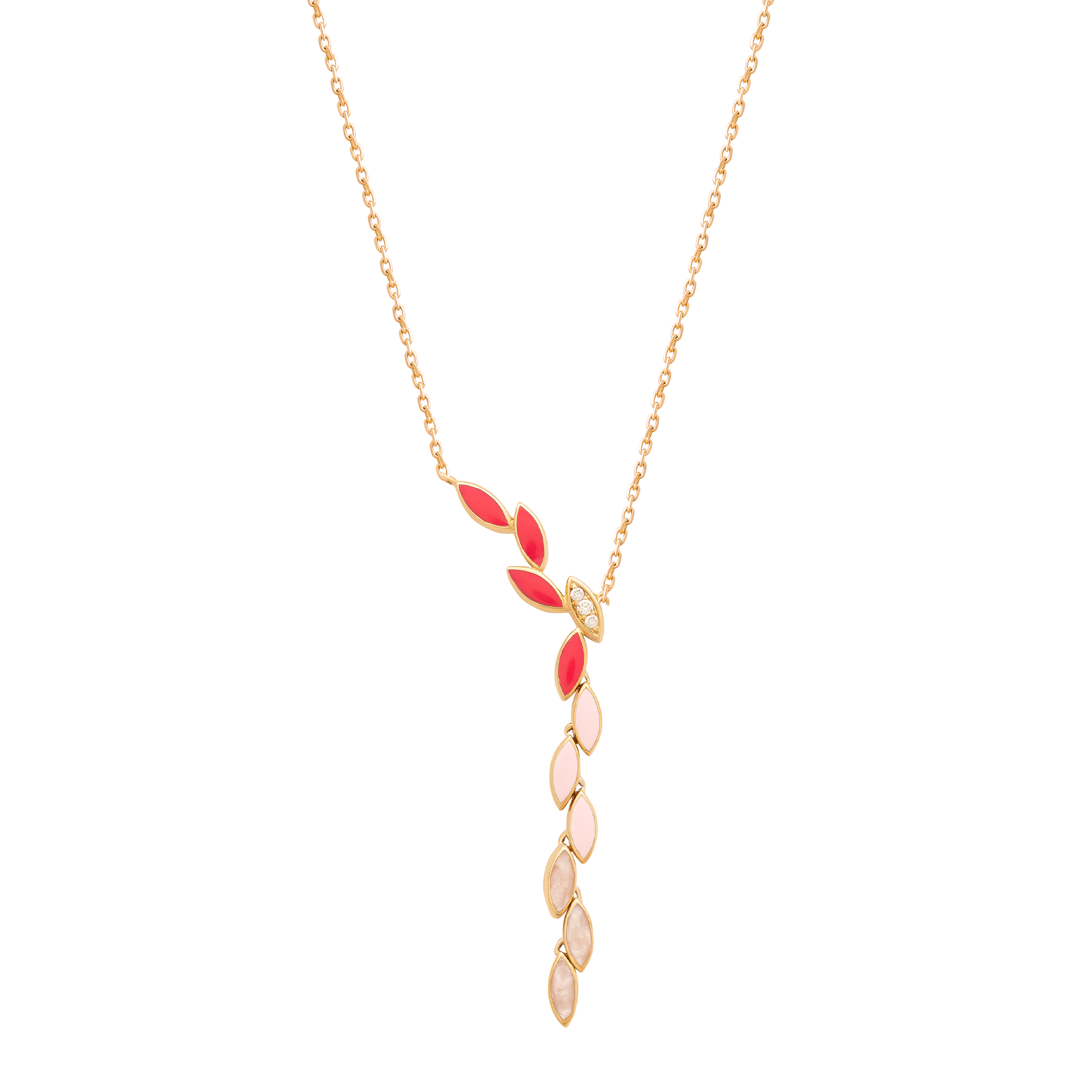
This is especially important if the jewellery is intended to be a focal point for the diamond itself. Jewel Teller's website, for instance, offers diamond jewelry in all categories of jewelry, which include rings, earrings, necklaces, wrist jewelry, bangles and ear cuffs.
2. Color: How Colorless Does a Diamond Look
“Color” is a term used to describe the lack or presence of any noticeable color in the normal D-to-Z range of diamonds.
The GIA D-to-Z scale starts with D for a colorless gemstone and ends with Z for when the color is more clearly seen as light yellow or brown. Neighboring grade differences may sometimes be very hard to see by the untrained eye!
This doesn't imply that you have to grade your film to the highest standard. Consider the overall look of the jewelry: setting and metal.
The color of the metal can influence the way one views the color of a diamond. Warmth can be more noticeable on white metals, and less noticeable on yellow gold.
It comes in handy for various aesthetics. Buyers can also buy a jewel that is 18K yellow, white and rose gold, which is what Jewel Teller currently offers the market.
3. Clarity: Looking at Inclusions and Blemishes
Clarity is the presence or absence of internal characteristics (inclusions) and external characteristics (blemishes).
The GIA clarity grading system assigns ranks to stones: Flawless (FL), IF, VVS, VS, and SI, to I3. Factors taken into account by graders include size, nature, position, relief, and the number of clarity characteristics that can be seen at 10× magnification.
But for the consumers, it's not just the technical grade that matters. Imagine what the diamond is like when observed in its usual way.
The premium value of a very high clarity grade can be realized even though the difference is not perceptible to the unaided eye. You should then aim to strike the perfect balance between appearance, quality, design and price.
There are a number of designs on Jewel Teller's website that are currently highlighted with VS-G diamonds, such as those in the Baby Love, Art Deco and Blossom lines.
4. Carat: Weight, Not Simply Size
Carat is one of the most well-known terms for diamonds, but it is often confused. Carat measures weight. 1 metric carat is equal to 200 milligrams. It does not give you all the information you need on how big a diamond will look from the top. Two diamonds of the same weight can have different effects depending on the shape and proportions.
This is why it is important to only purchase by carat weight can be misleading. You might find a smaller size diamond to be more appealing to you if it has a nice cut ratio and offers great cut.
Additionally, the carat weight of the jewellery will influence the right carat weight. A delicate pendant or bracelet will differ from a statement ring or a pair of statement earrings.
How the 4Cs Work Together
The one C does not get all the budget. It's a matter of preference.
Pay close attention to the cut if sparkle is the most important. When deciding on color, look at its interaction with the metal you are using for your cabinets. If you see inclusions that give you cause for concern, clarity is more significant. When you are more interested in how much something is in carat and how much it will weigh, carat weight might be more important to you.
Design matters too.
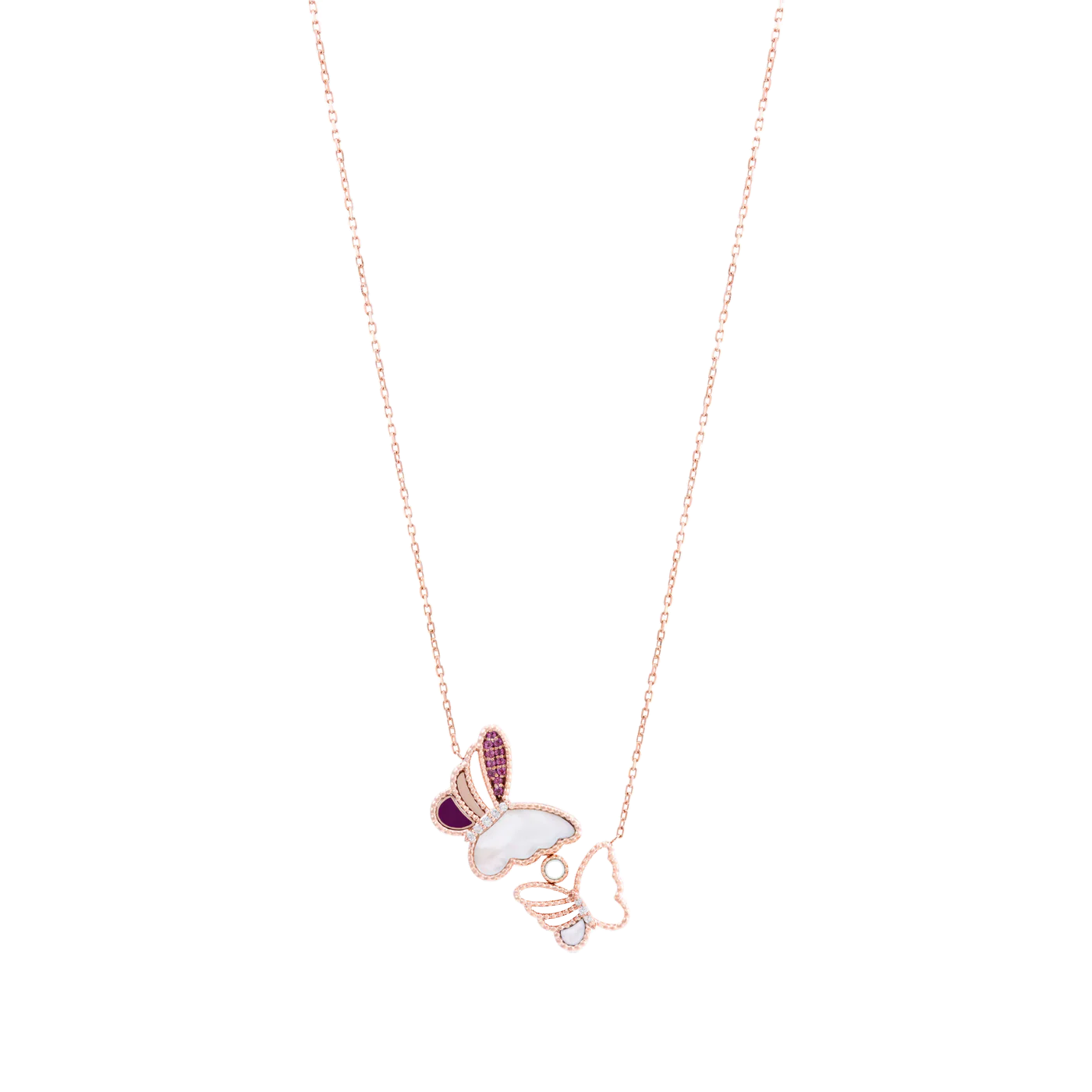
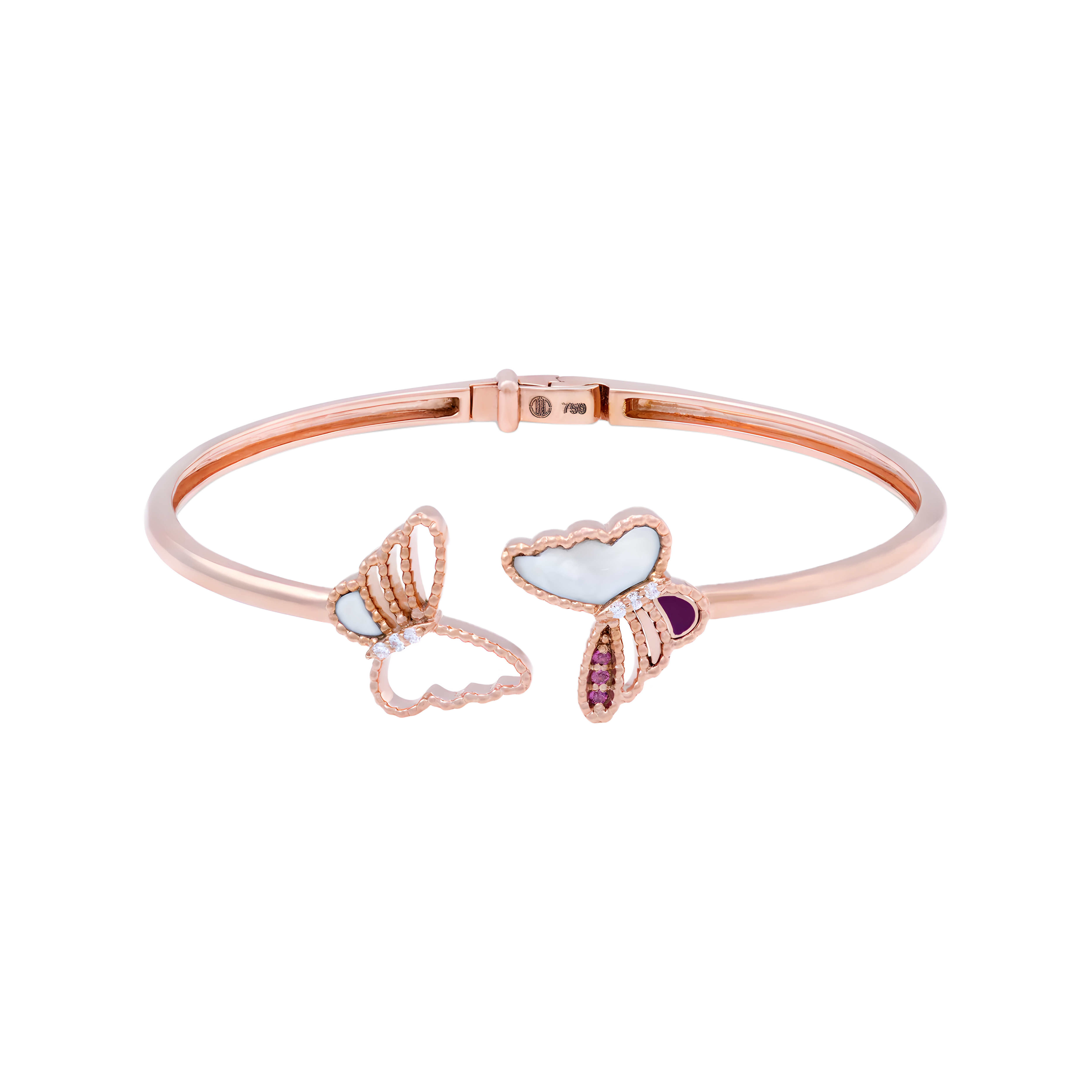
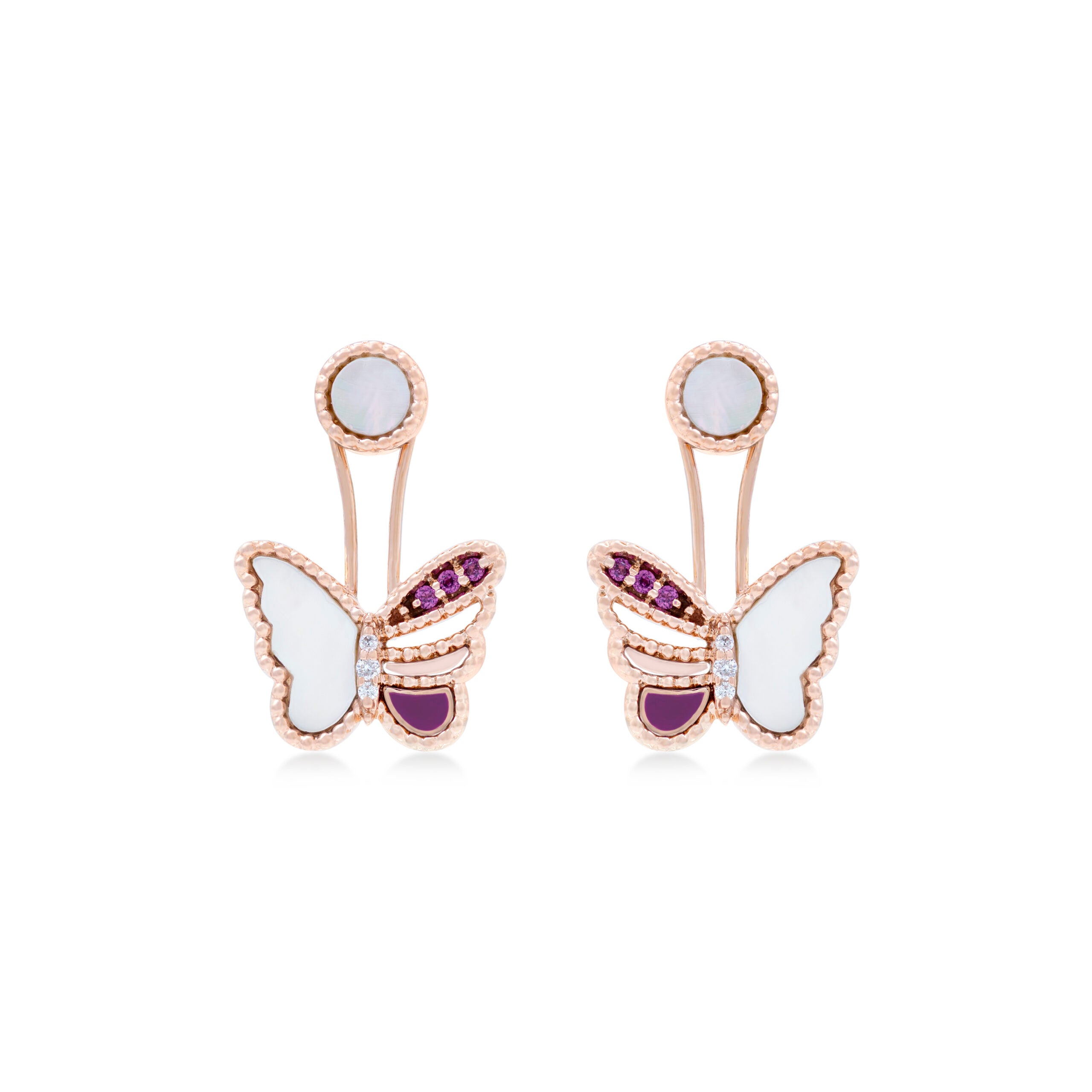
Today, shoppers can choose between different design lines in Jewel Teller's new site with Baby Love Collection, Art Deco Collection, Blossom Collection and Branch Affinity Collection, and with items like Aspiral cuff. The Baby Love line is 18K gold with diamond options, and features bracelets, necklaces, earrings, and pendants.
Viewing full jewelry sets, including the numbers, instead of just the numbers can be beneficial in understanding how the characteristics of the diamond interact with the metal, proportions and design.
Let’s look at what to check before buying?
When buying a lab-grown stone, compare the 4Cs and request transparency regarding the stone's lab-grown history. Even a grading report of the recognised gemological laboratory can be helpful information on its own of the diamond's characteristics.
Most importantly, take into account the diamond itself instead of just a grade written on paper. The 4Cs provide you with a common language to compare, but your preferred mix will be determined by the jewellery, your budget and what's beautiful to you. Above all, choose the best jewellery store in Dubai for exquisite designs and high-quality fine jewellery.
Conclusion
To make shopping for a lab created diamond much easier to comprehend, it is important to grasp the 4Cs. Cut tells you how bright the stone will look, color lets you know how colorless the stone is in the D-to-Z range, clarity lets you know how light or dark that inclusions and blemishes are and carat tells you the weight. When combined, these factors provide you with a practical way to compare diamonds and select one that will match your jewellery and budget.
The numbers are helpful, but the final product should feel comfortable to you. If you're celebrating a delicate sentiment, then you'll probably appreciate the diamond and design in the Baby Love Collection, if you're opting for a geometric look, it's probably the Art Deco Collection, and, if you're going with a floral theme, it's definitely the Blossom Collection.
Gaze at the jewellery of Jewel Teller and know what to choose for your next item when it comes to diamonds with the help of the 4Cs.
FAQs
1. Are Lab Grown Diamonds considered 'the 4Cs'?
Yes. Diamond quality is described in terms of cut, color, clarity, and carat weight, and can also be measured for lab-grown diamonds. GIA has offered laboratory grown diamond services for the evaluation of the 4Cs.
2. Is a lab-grown Diamond an imitation diamond?
No, FTC guidelines differentiate between lab-made diamonds and simulated or fake diamonds. The lab made diamond essentially has the same optical, physical, and chemical properties as the mined diamond; the latter does not.
3. What is the most important of the 4Cs?
The answer is not the same for everyone as it hinges on your taste and financial situation. Cut is a consideration for those who prefer sparkle, and color, clarity and carat weight can then be considered based on the desired look. It is best to make an overall decision, based on the four characteristics, and not to strive for the best grade in each.