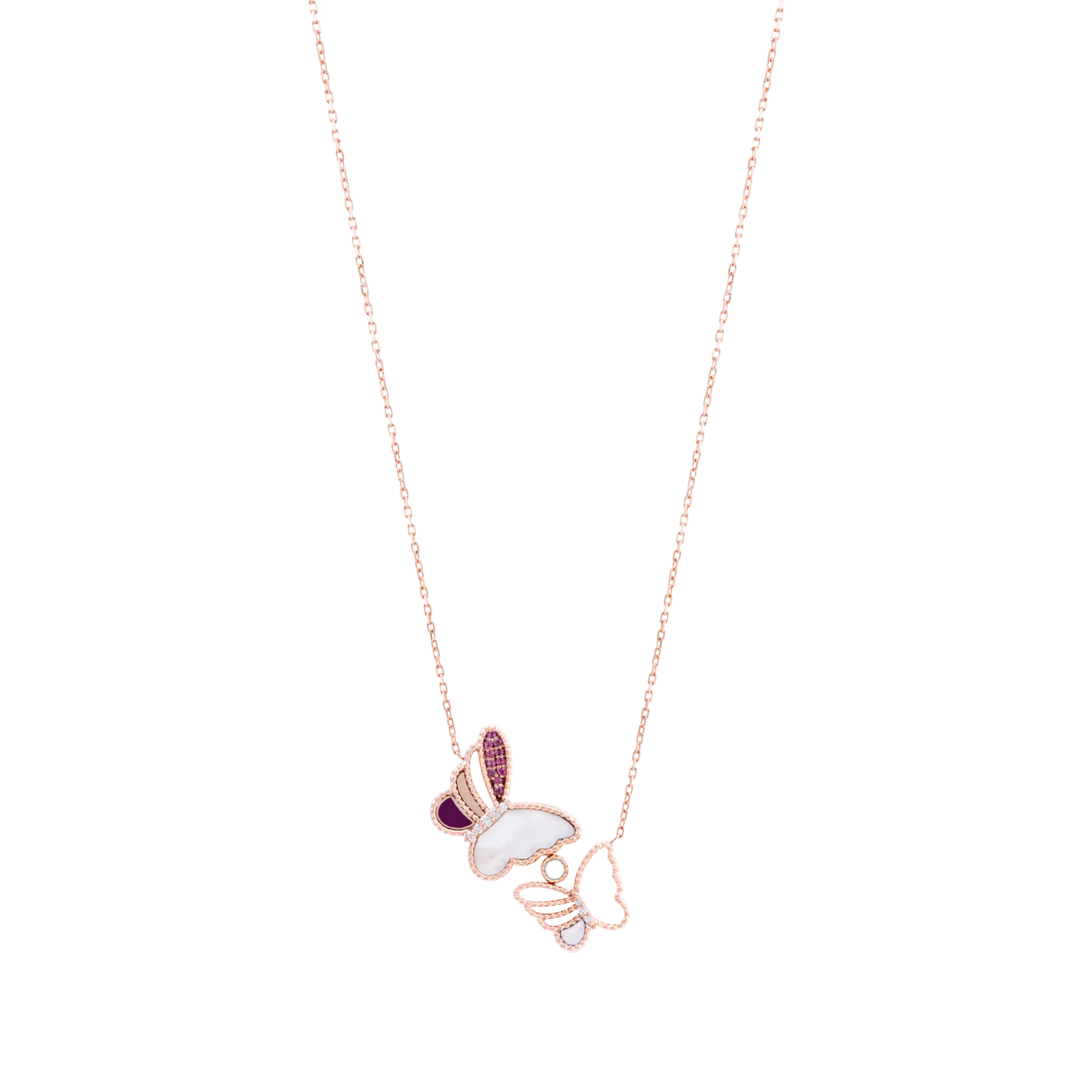
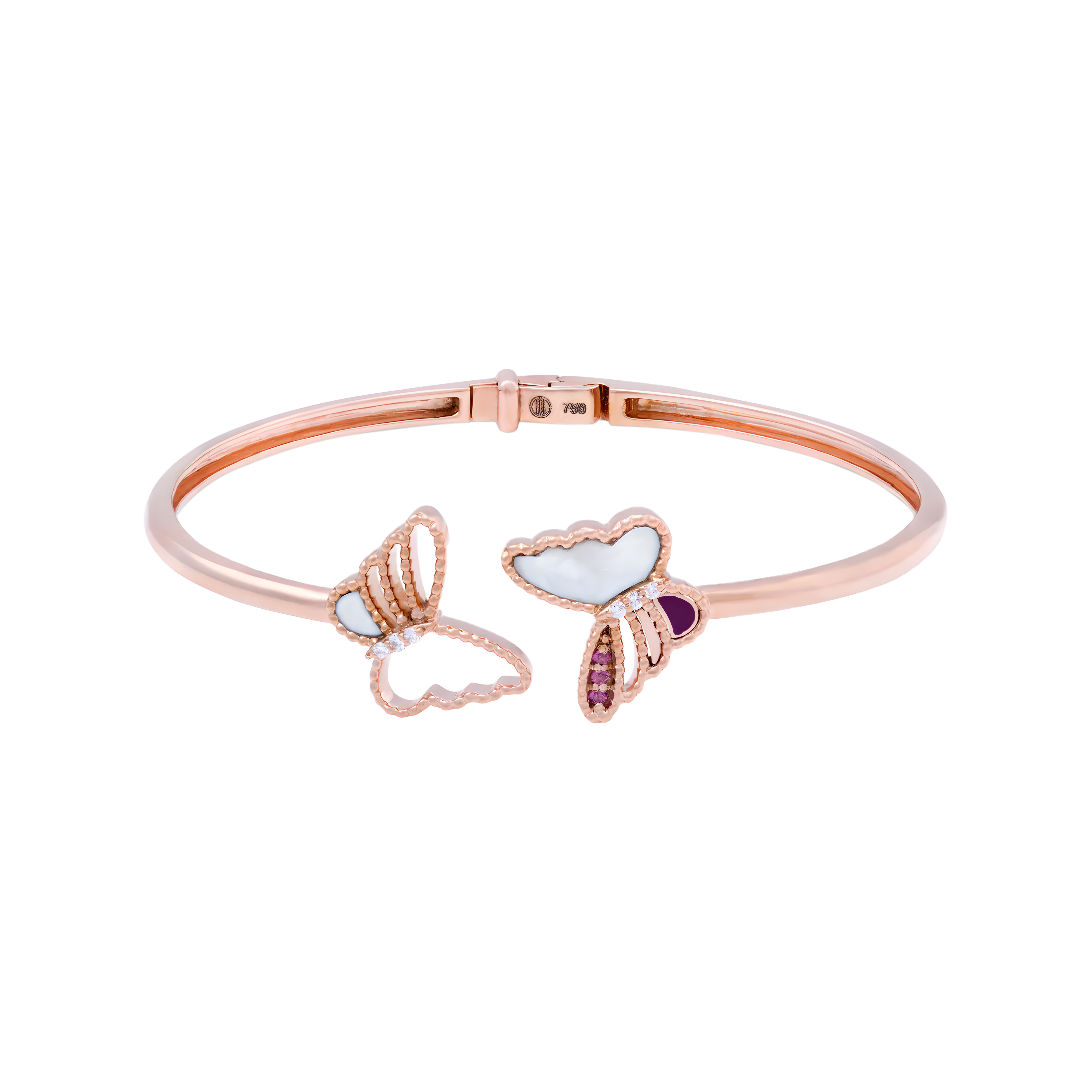
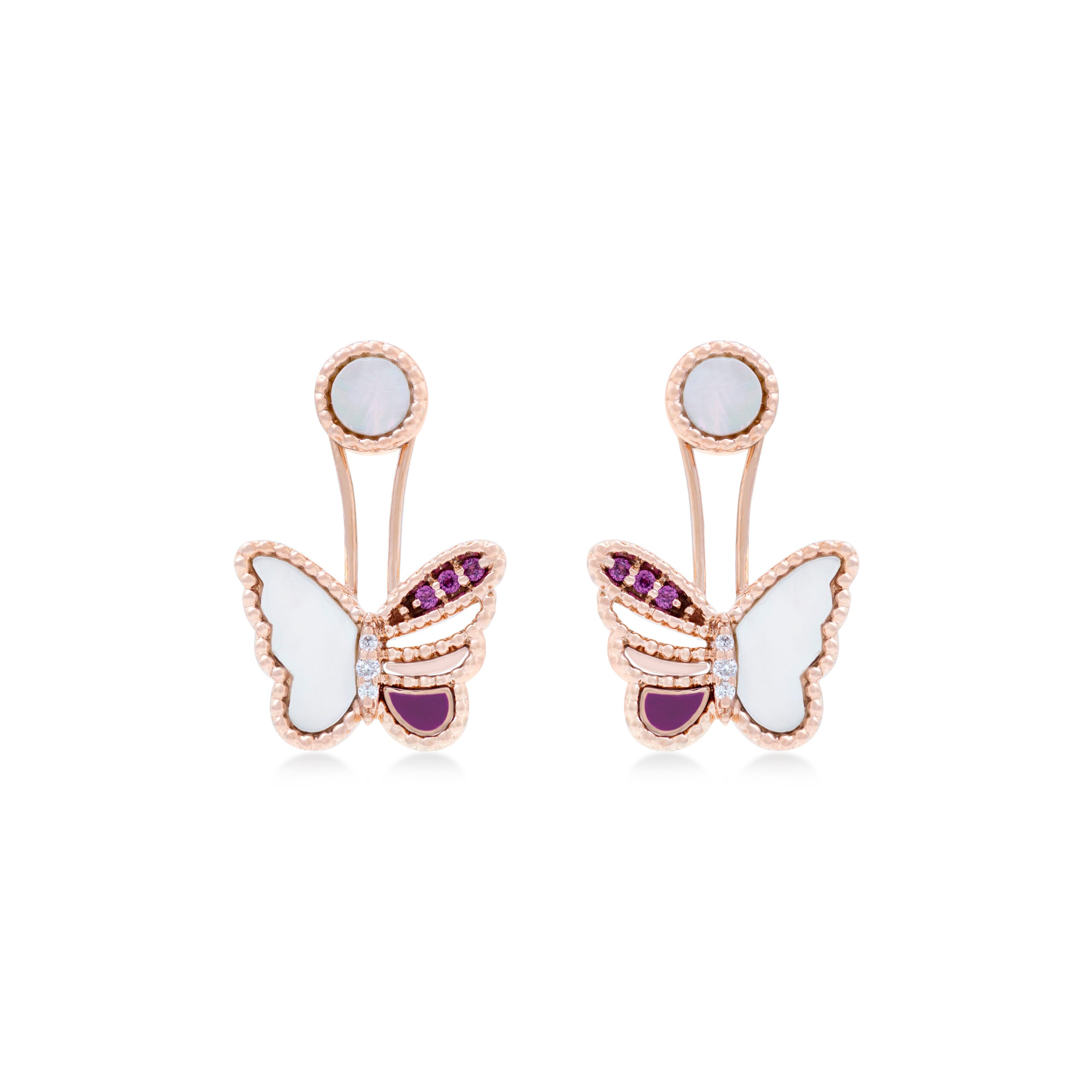
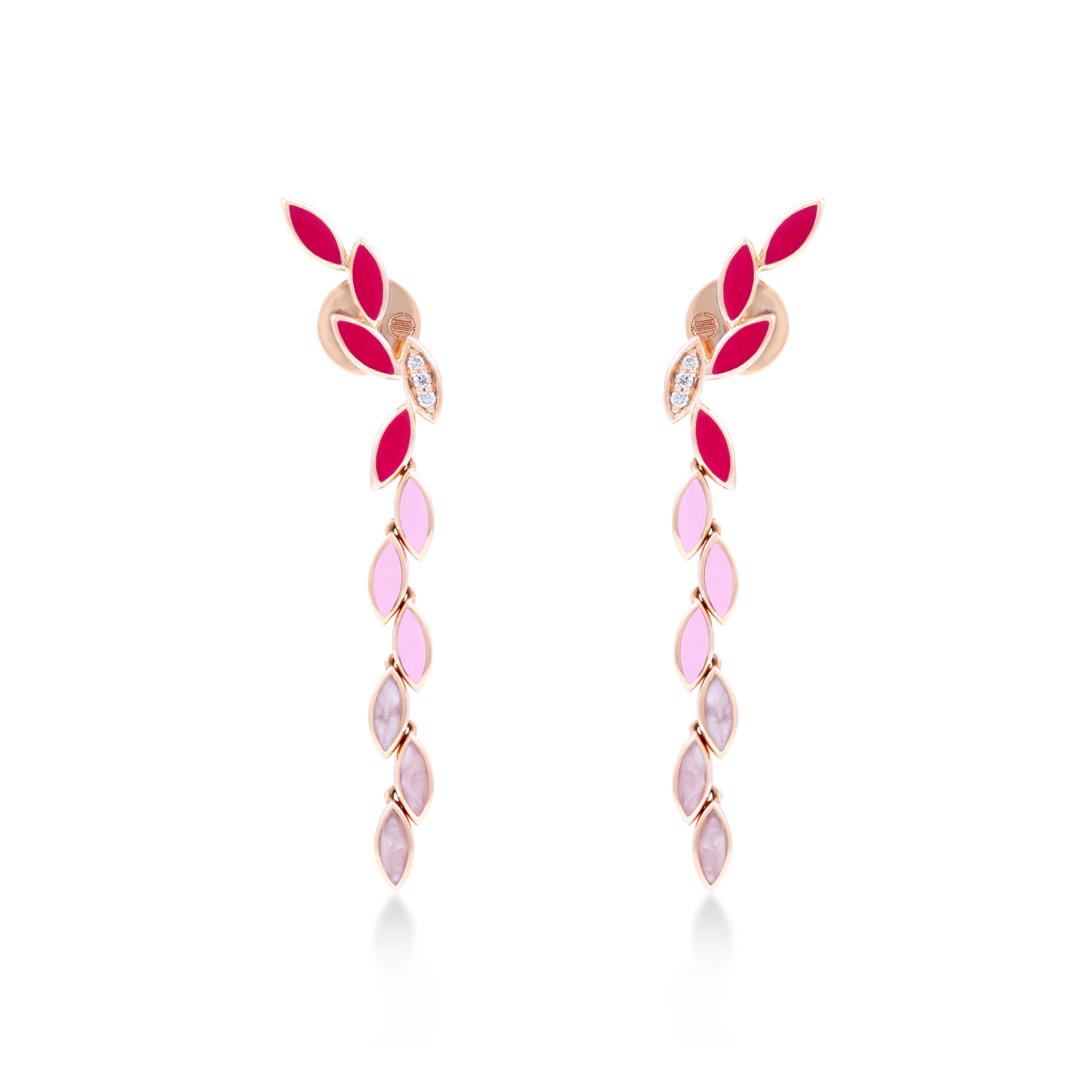
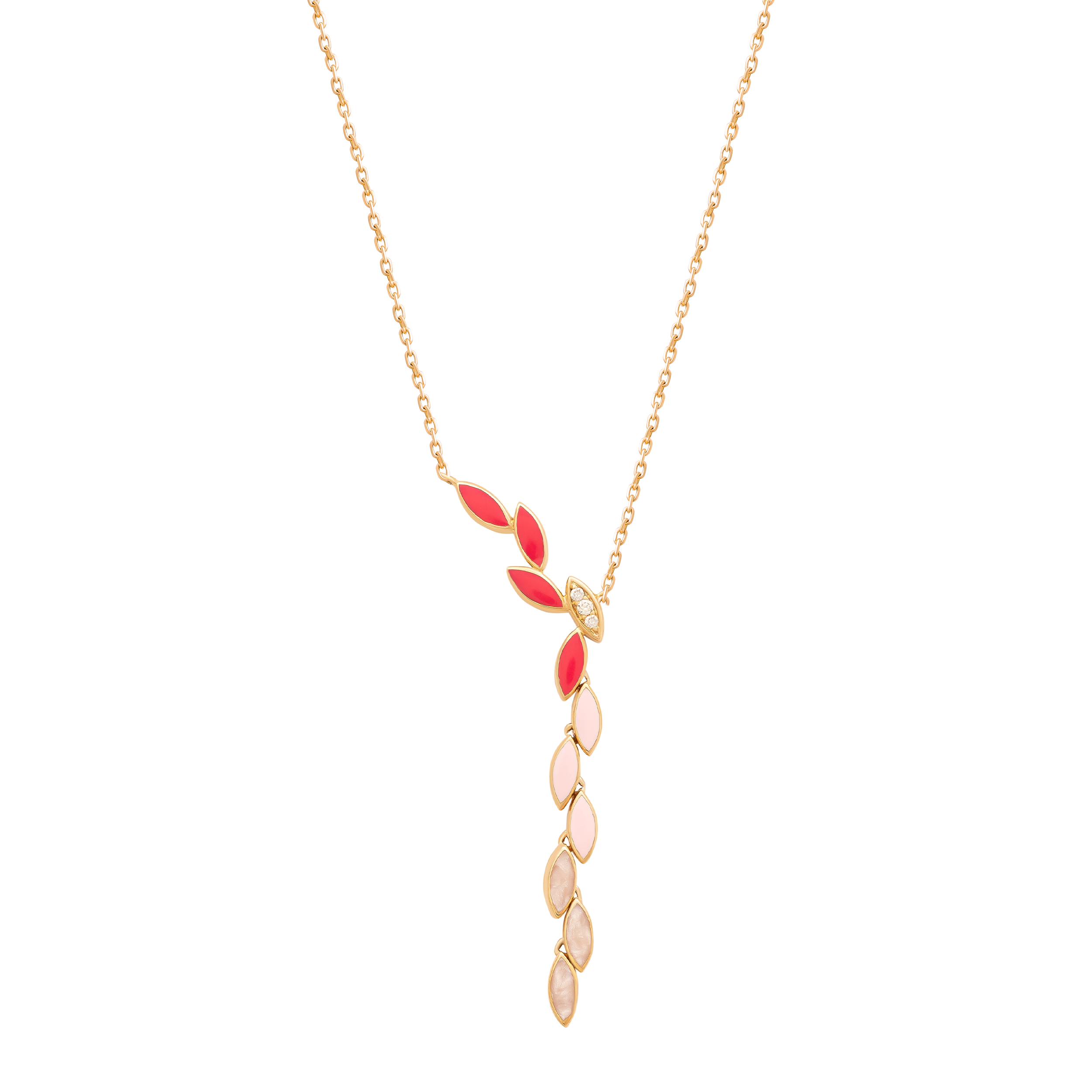
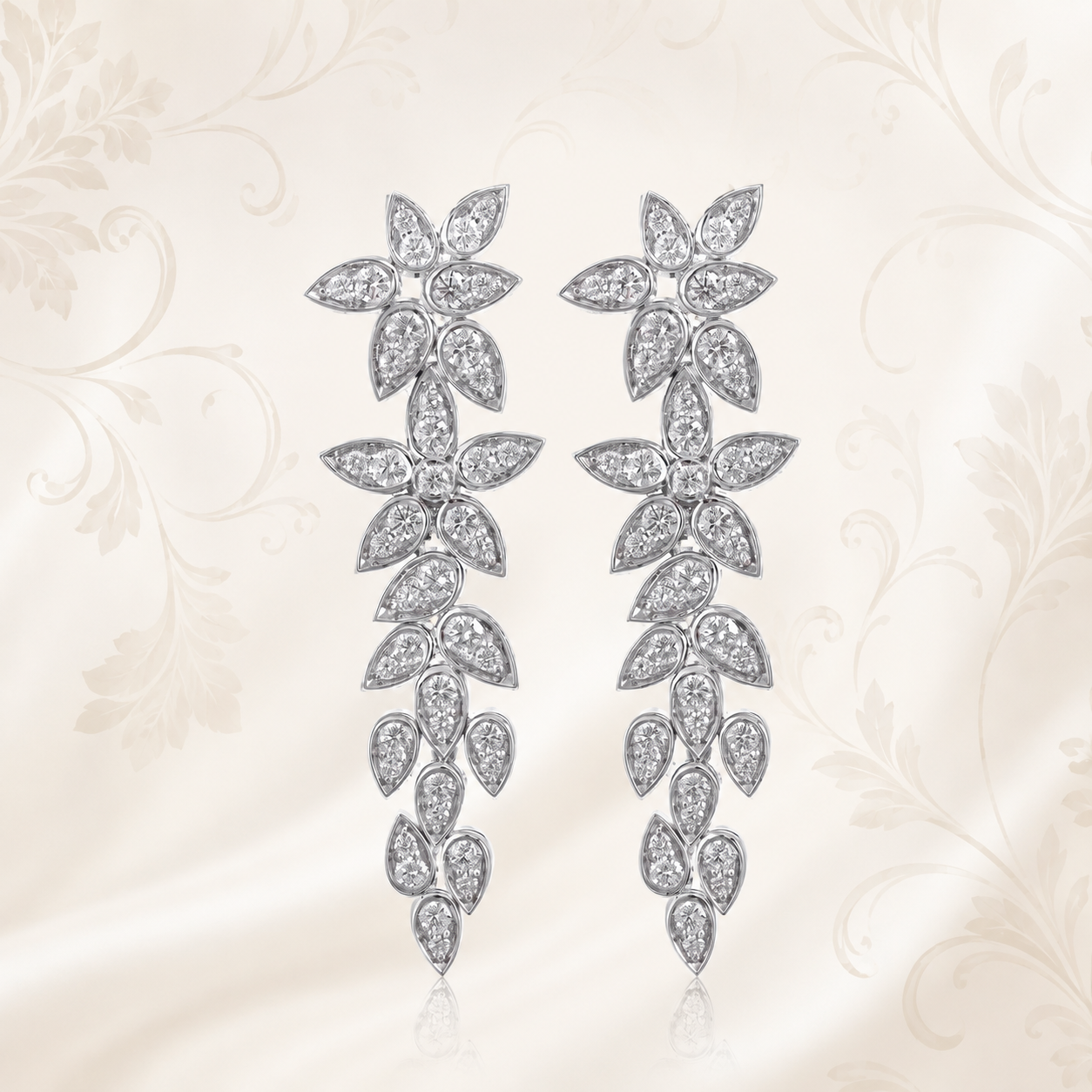
Flowers of jasmine are tiny, soft and almost delicate in reality! This doesn't require an easy casting job to convert that to gold. Jasmine inspired gold jewellery asks a goldsmith to solve a strange problem: how do you make a hard, heavy metal look like it could wilt by evening?
At Jewel Teller, designing this kind of question is what takes weeks of time before any piece goes into production. The petals need to twist but not appear stiff. For example, the buds must be positioned at an angle, like the actual jasmine blossoms on a mimosa branch, not in a neat mechanical row. Any mix up with that and it becomes a generic floral necklace rather than one from the iconic Jasmine collection.

Why Jasmine Is Harder to Replicate Than It Looks
Typical floral shapes used for gold jewellery are all the varieties of roses, lotus, sunflower etc with thick petals and strong form. Jasmine has neither. The petals are thin and almost transparent, the buds are very small and easily hidden when compared with the open flower. When it comes to gold work, that big difference does make a difference.
Some of these are not ideal for engineering jasmine in metal:
-
Edges of petals must be slightly curved inwards rather than flat out as the flower appears "crushed".
-
The buds are typically the size of a grain of rice and, unless the size of a classically formed model allows for contact for extra detail, provide the craftsman little opportunity to carve the detail by hand prior to the wax model ever reaching the mold.
-
Jasmine clusters are not even in rows of two or three; symmetrical spacing does not really help to enhance the design.
-
Its stems are very thin and if that's the case, gold would be fragile unless supported from below.
Jewel Teller as the best jewellery designer in Dubai typically begins designing with an original sketch from jasmine reference, rather than pre-made templates of flowers. It's one thing that will significantly affect the look of the final masterpiece; the goldsmith will need to work with asymmetry of the flower, rather than a round version that is not that specific.
From Wax Model to Finished Piece
The next step after getting a sketch approved is making a “wax model.” The actual engineering work is here. Wax is easily modeled into fine detail, but it can melt and get warped under prolonged and excessive handling, so the modeling must be done in a relatively short time.
For jasmine pieces, in particular, the adjustments made on the wax model typically take place in a few iterations:
-
First Pass cuts out basic petal shapes and buds.
-
Second pass its petal edges are thinned out, allowing them to catch light like the genuine jasmine petals
-
The imagery of the third pass is the minute surface detail; the ridges at the end of a petal, the subtle curl of a bud.
Once it is completed, the wax is sent through a procedure called "lost wax casting" in which either the model is encased in silicon, heated until the wax burns away, and replaced by molten gold. It's a typical jewellery method, but jasmine jewellery is not soft by this method. The first place there are air pockets or warping too thin edges of the petals. Many pieces with good paper outlines are cut down at this point as the casting wasn't clean enough on the fine lines.
Setting and Finishing: Where Most of the Time Goes
The most that casting gets to 70% of the way. The remaining portion of the craftsmanship is completing the work, and in the case of jasmine designs, this is where patience from the goldsmith truly comes into play.
The edges on the petals are hand filed to smooth them to ensure no rough borders are left from casting, however this needs to be done carefully to not reduce the amount of gold to a dangerous depth. Because of their very small dimensions, buds are generally finished with a whittler that is smaller than the size used for the rest of the piece, possibly magnified, in order to form a perfect and even shine without leveling out the shape.
However, if the jasmine design has enamel work, (which it does to achieve that soft white or ivory coloring in the petals), a thin coating of enamel must be applied and fired several times. This process can take longer than the casting itself as the enamel on each firing could crack due to the different expansion of the gold beneath it.
A jasmine product which isn't hand finished at all or whose finishing is incomplete will feel stiffer than one which is hand finished, and most customers will be able to detect the difference without identifying what the difference is.
Why the Effort Matters for the Final Piece
All this is not so much a display of technical process. Jasmine is a flower people relate to marriage with a fragrance and they themselves relate a softness to the flower which isn't present in heavier flowers. The gold version doesn’t express some of that softness, so the whole premise of picking jasmine as a motif is lost.
Very much the engineering quest in one sentence: gold is hard, jasmine is soft, and bridging the gap between them requires making specific decisions at each and every meeting point from the initial sketch to the final polish.
Conclusion
That stretch, the sentence, is not like the bend of jasmine petals, it's not like gold. This requires patience each step of the way: seeing how a flower is actually shaped, waxing the model so the petals aren't so rigid, keeping the casting edges thin and from draping over, and at the last step of finishing, no one can rush.
Instead, Jewel Teller as Dubai's top jewellery manufacturer views each of these as a mini-lesson to master and a step to tackle slowly. The net effect is jewellery that remains jasmine, soft, slightly out of round, almost fragile layered in solid gold.
FAQs
1. What makes jasmine designs harder to make than other floral gold jewellery?
The petals and the buds of jasmine are smaller and thinner than most of the other types of flower that is used to make gold jewellery, hence there is less room for error while casting and finishing jasmine to make it into an actual jewellery.
2. Does jasmine inspired gold jewellery use enamel work?
Many pieces do, mainly to get the soft white or ivory tone that mimics real jasmine petals, though this depends on the specific design and how much color contrast the piece needs.
3. How long does a jasmine gold piece usually take to make?
It varies by complexity, but the finishing stage, hand filing, polishing, and any enamel firing, often takes longer than the actual casting.