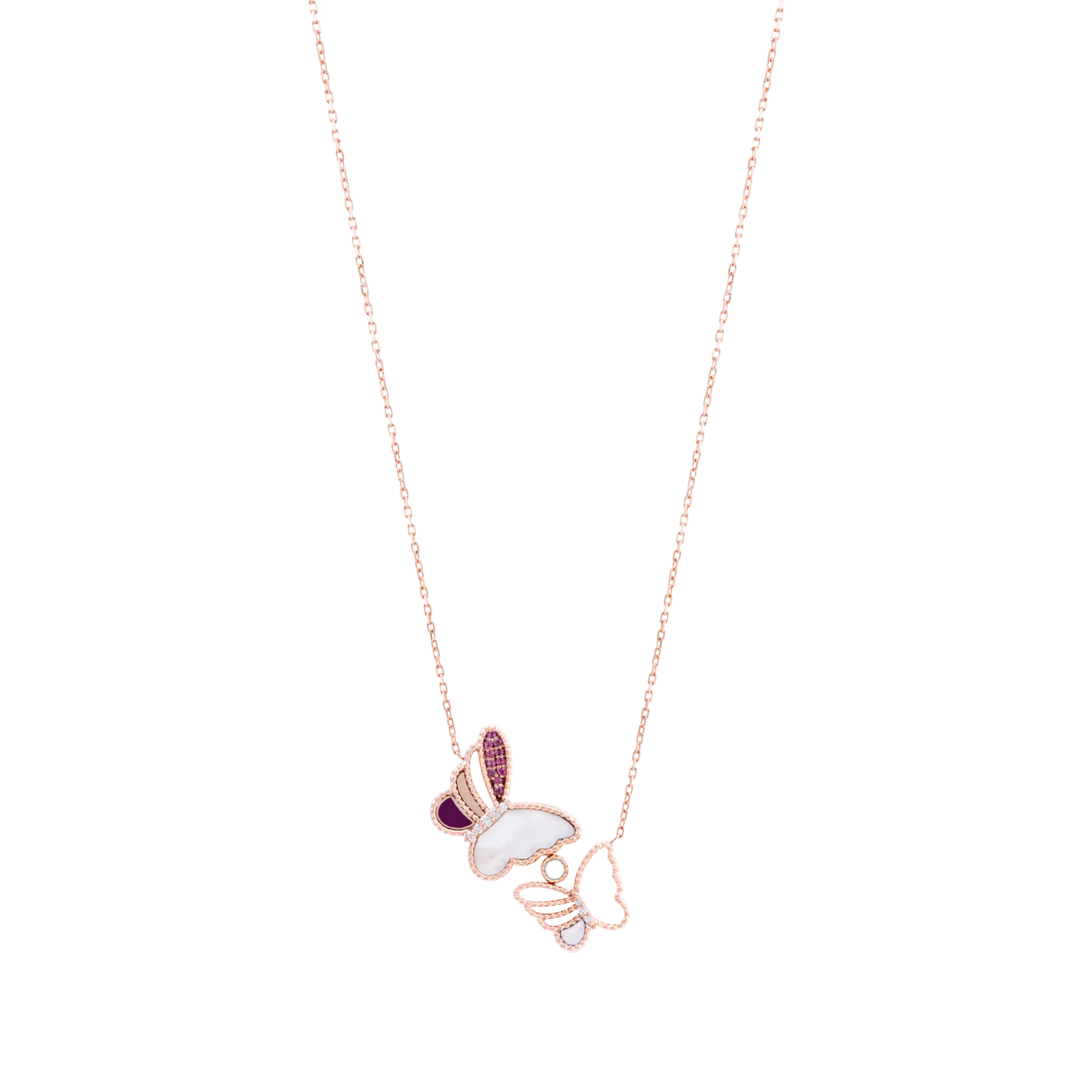
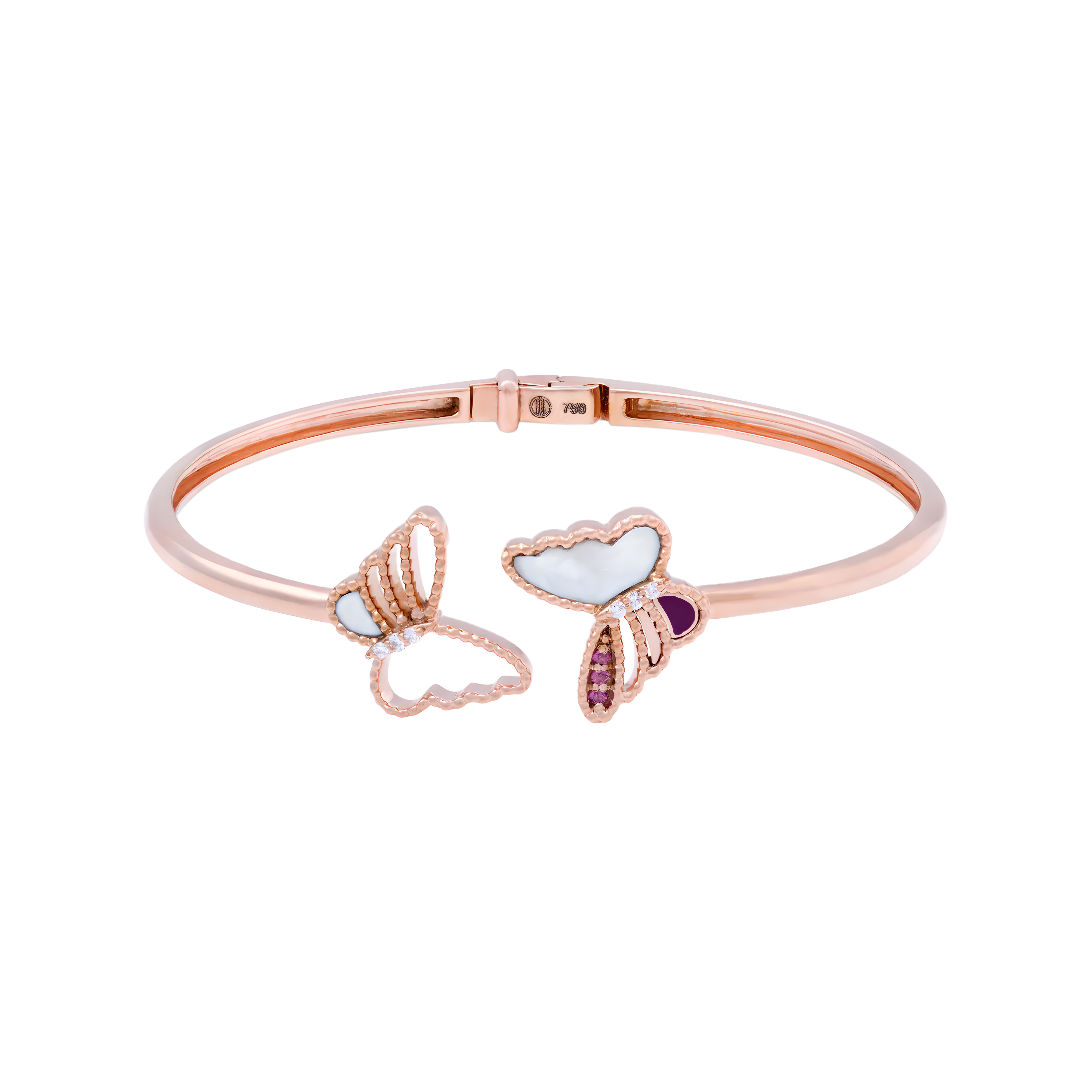
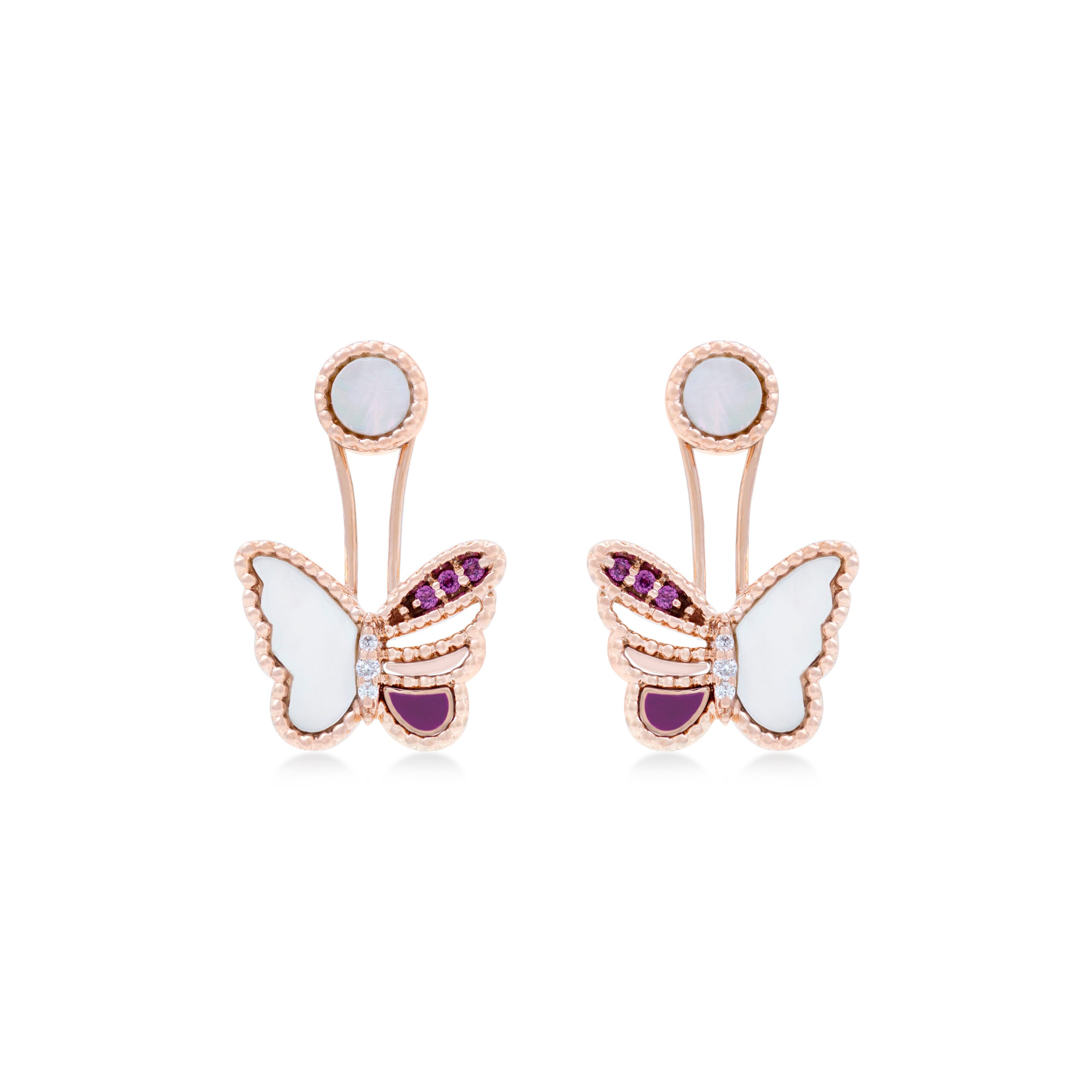
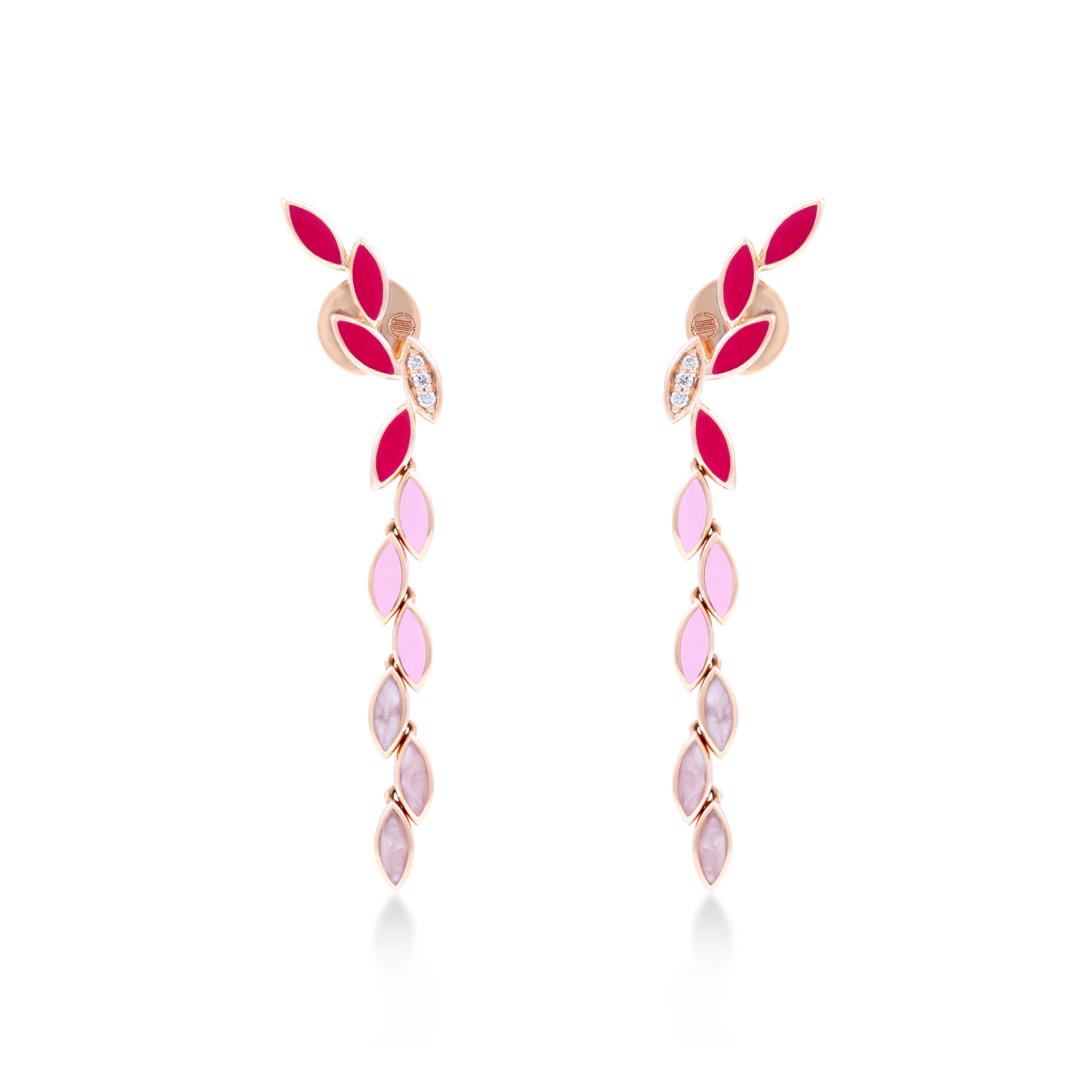
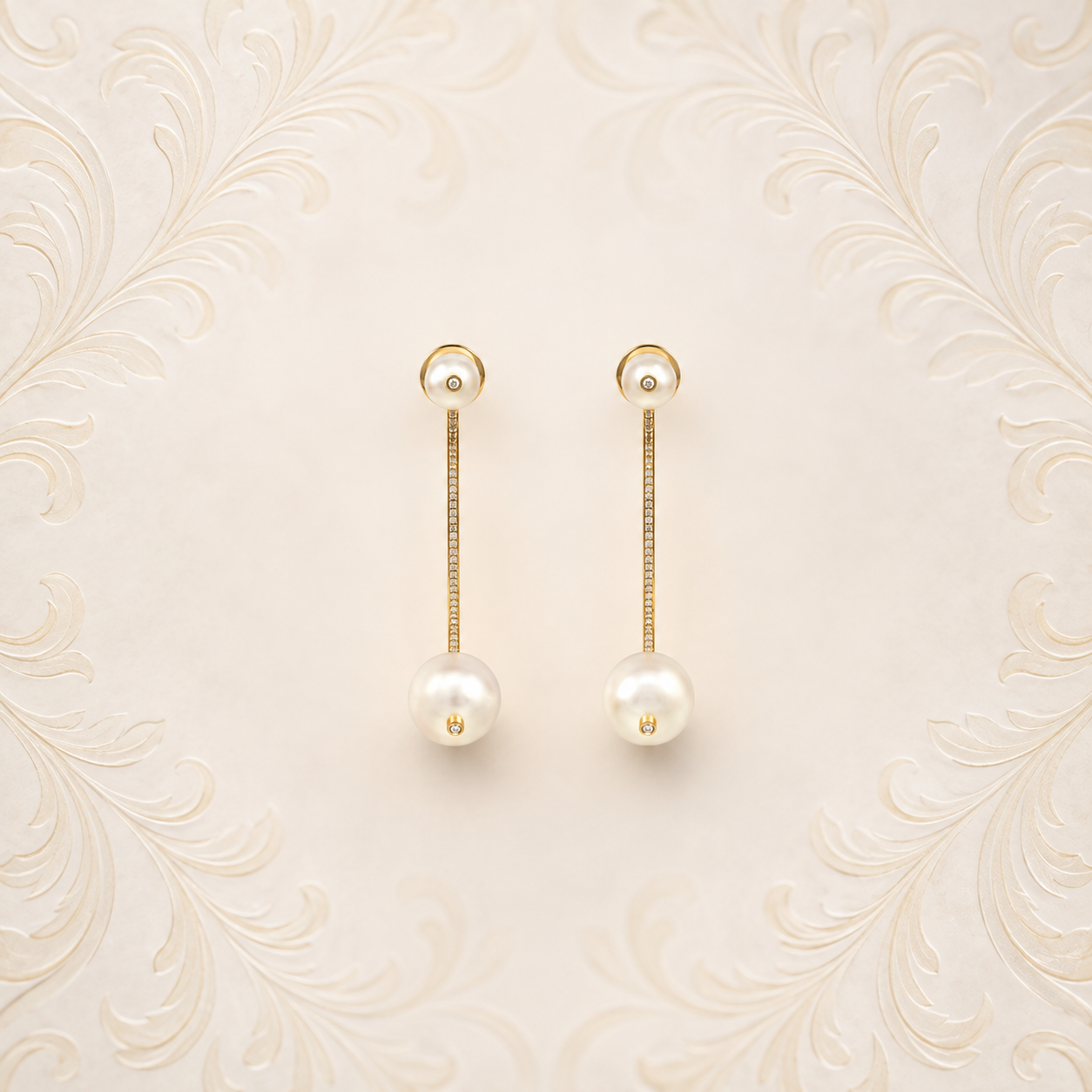
Pearls are no ordinary gemstone. They're organic, they're grown in layers inside of a living oyster, and that is what makes them require less hard treatment than a diamond or a sapphire ever could. Owners of a pair of pearl earrings 18k gold already have a pairing that calls for care on both sides: the strength of gold and the softness of the pearl in it.
At Jewel Teller, people come up wondering why the sparkle of the pearl in their jewellery fades. The answer is they're hurting their pearls without realizing it, as in day to day activities such as wearing perfume, sweating, and even placing the earrings in the jewelry drawer with other jewelry. None of this is really dramatic by itself, but pearls don't forgive a minor mistake over the course of months or years.

Why Pearls Need Different Treatment Than Gold
Overall, gold is reasonably resistant to routine wear and tear, particularly 18k gold or silver. It will roughen up a little, get just a little wet through and still look great after a wash. Pearls cannot. This surface (called nacre) is soft and porous. It allows chemicals to percolate through it. It can crack with age if it's exposed to dry air. Even the natural oils and acids produced by the human skin can have a different effect on a pearl compared to the effect on metal.
Regardless of the setting, the entire rule of thumb for care instructions of gold earrings always further breaks down into two main points: treatment of the gold as well as treatment of the pearl. When dealing with each of them alike, is where most damage begins.
Everyday Habits That Slowly Wear Pearls Down
When people import pieces of pearls to learn more about them, a few actions cause most of the damage one observes:
-
Getting perfume/hairspray on before applying earrings. The products directly affect the pearl surface, and the nacre dredging will start immediately after.
-
On the dress, earrings: pearls on. Natural moisture is extracted from pearls over time with the help of chlorine and even with just tap water.
-
Keeping pearls in the vicinity of harder gemstones. Just a single diamond stud inside the same pouch is enough to scratch a pearl.
-
Exposing pearls for extended periods of time under a bright spotlight. Prolonged UV exposure and heat will dry out yellow pearls beyond most expectations.
-
Rough paper used for wiping pearls. For wiping pearls wipes should be used with rough paper. Too abrasive for the surface of the pearls are regular jewelry cloths.
All these habits are common. People do at least two or three without a second thought – that is why most pearls see an accelerated ageing.
How to Clean Pearl Earrings in Gold Settings
Cleaning pearls is not about scrubbing, rather it's about wiping and resting. Once they've been worn, a soft and slightly moistened cloth must be used to carefully clean the surface of the pearl after each day of wear, to prevent the accumulation of any oil, sweat or product build-up. Do not get earrings soaked because water can make the silk thread or sometimes a pellet weak that holds a single pearl in an earring.
A soft cloth is all the gold needs. Use it to buff the 18k to a shine too, just keep it away from the pearl itself. Skip the ultrasonic cleaner, skip the steamer, and don't dip these in any chemical jewelry cleaner either save those for your solid gold pieces. On a pearl they're rough enough to cloud the surface or pit it, and that damage doesn't come back out.
Storage Matters More Than People Realize
Storing your pair of pearl earrings between uses will have a greater contribution in their longevity than anything else. Although pearls need some humidity to be maintained in good condition, many good people make this error by storing their pearls in a completely airtight plastic bag. Or, a soft pouch or a lined jewelry box compartment is far better because it lets a limited amount of natural air flow and at the same time prevents dust and scarification from damaging the pearls.
Avoid storing pearl earrings with more solid and hard-edged jewels. Any scratches or light damage to nacre will leave a permanent mark and can only be partially removed by polishing. For frequent travelers it is good to have a small padded package that is used only for pearls.
When to Put Pearls On (and When to Take Them Off)
The wise saying of the jewelry industry, which jewelers are fond of repeating pearls last, they come first. Apply perfume, lotion, hairspray and allow to settle 3-4 minutes before putting earrings in. This may sound like a no-brainer, but when washing off your face, or putting on night cream, removing the earrings morning products work just as badly as nighttime products.
Your Pearl Jewellery deserves to continue shining. This singular habit can neutralize a significant part of the chemical exposure that can shorten a pearl's life.
Why This Matters for a Long-Term Investment
An 18k gold setting from our High Jewellery collection will easily outlast its wearer's lifetime, decades of daily wear won't touch it. Whether the pearl inside does the same depends on how it's treated. Jewel Teller mounts its pearls so the nacre isn't rubbing against metal or catching on fabric with every wear, which matters more than people think, since nacre chips and dulls in a way gold never does. None of that helps if the earrings go on before perfume or come off after a shower instead of before. The setting does its job either way. The pearl only holds up if you do yours too.
FAQs
1. Can I wear my pearl earrings in 18k gold every day?
Yes, but daily wear means daily care matters more. Wipe them gently after each use and avoid wearing them while applying perfume or lotion.
2. Is it safe to get pearl earrings professionally cleaned?
Only if the jeweler uses methods safe for pearls specifically. Ask whether they use ultrasonic or steam cleaning, and if so, request they clean only the gold and avoid the pearl surface.
3. Why do my pearls look dull even though I barely wear them?
Dullness in rarely-worn pearls usually comes from poor storage, either too dry an environment or an airtight container that traps moisture unevenly. Try switching to a soft, breathable pouch.